Case Study: Successful Invasive Bush Control in Limpopo Farms


Invasive bush species have long been a challenge for farmers in Limpopo, South Africa. These plants, often non-native, can spread aggressively, choking out indigenous vegetation and reducing agricultural productivity. This case study highlights a recent successful initiative in controlling these invasive species on Limpopo farms.
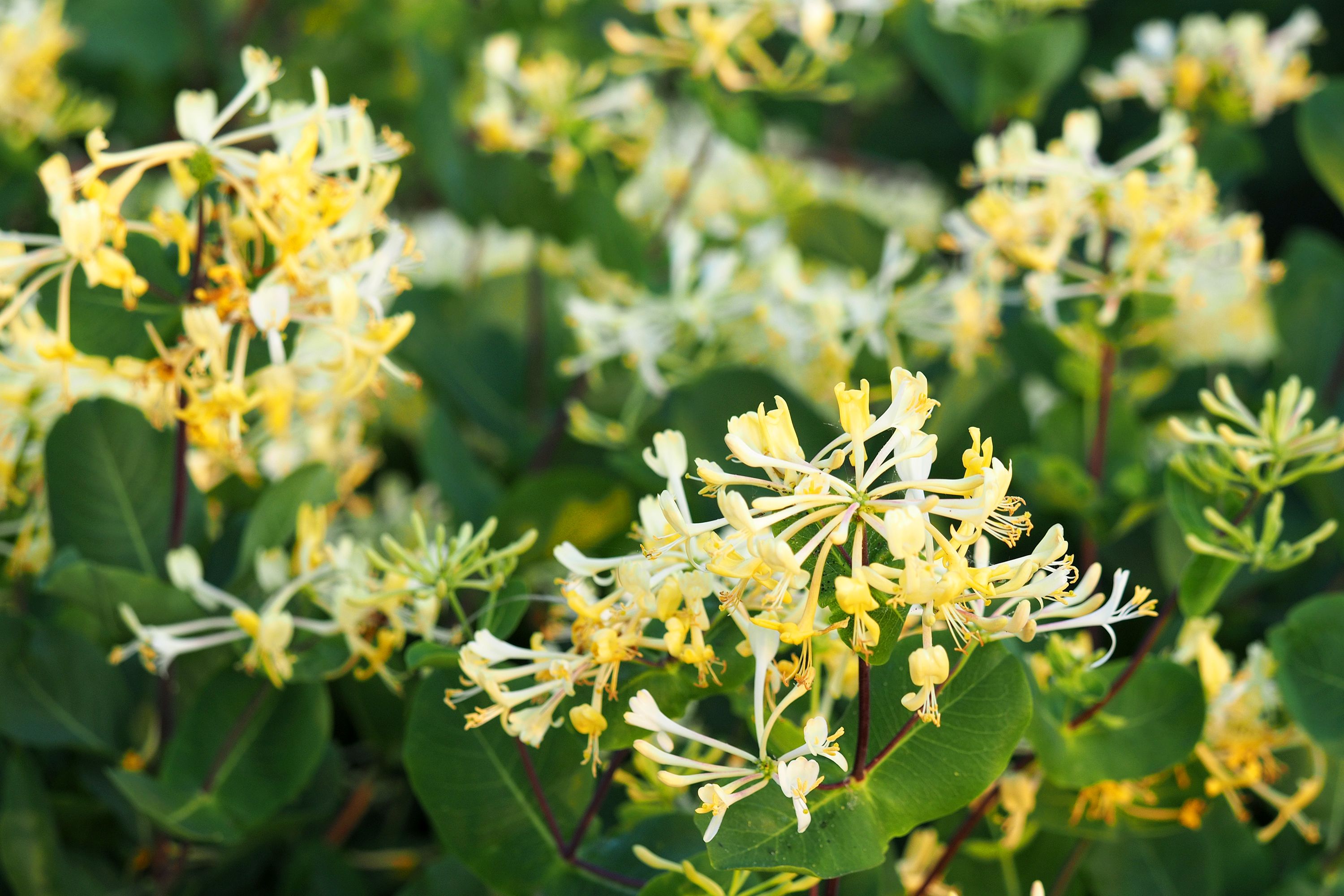
The Impact of Invasive Bushes
Invasive bushes can significantly disrupt ecosystems, leading to a reduction in biodiversity. For farmers, this means less available land for crops and grazing. Moreover, these plants can alter soil composition, making it less fertile and more difficult for native plants to thrive.
To tackle this issue, a coordinated effort was made across several farms in the region. This initiative not only aimed to remove invasive species but also to restore the natural habitat and improve agricultural productivity.
Strategies for Bush Control
Mechanical Removal
One of the primary methods used in this project was mechanical removal. This involved using machinery to physically uproot invasive bushes. While labor-intensive, this method proved effective in quickly reducing the number of invasive plants.
Chemical Treatments
In areas where mechanical removal was impractical, targeted chemical treatments were applied. These treatments were carefully chosen to minimize harm to native species while effectively controlling the growth of invasives.

Biological Control
Another innovative approach was the introduction of biological control agents. These are natural predators or pathogens specifically chosen to target the invasive species without affecting other plants. This method helps maintain ecological balance and supports long-term sustainability.
Community Engagement and Education
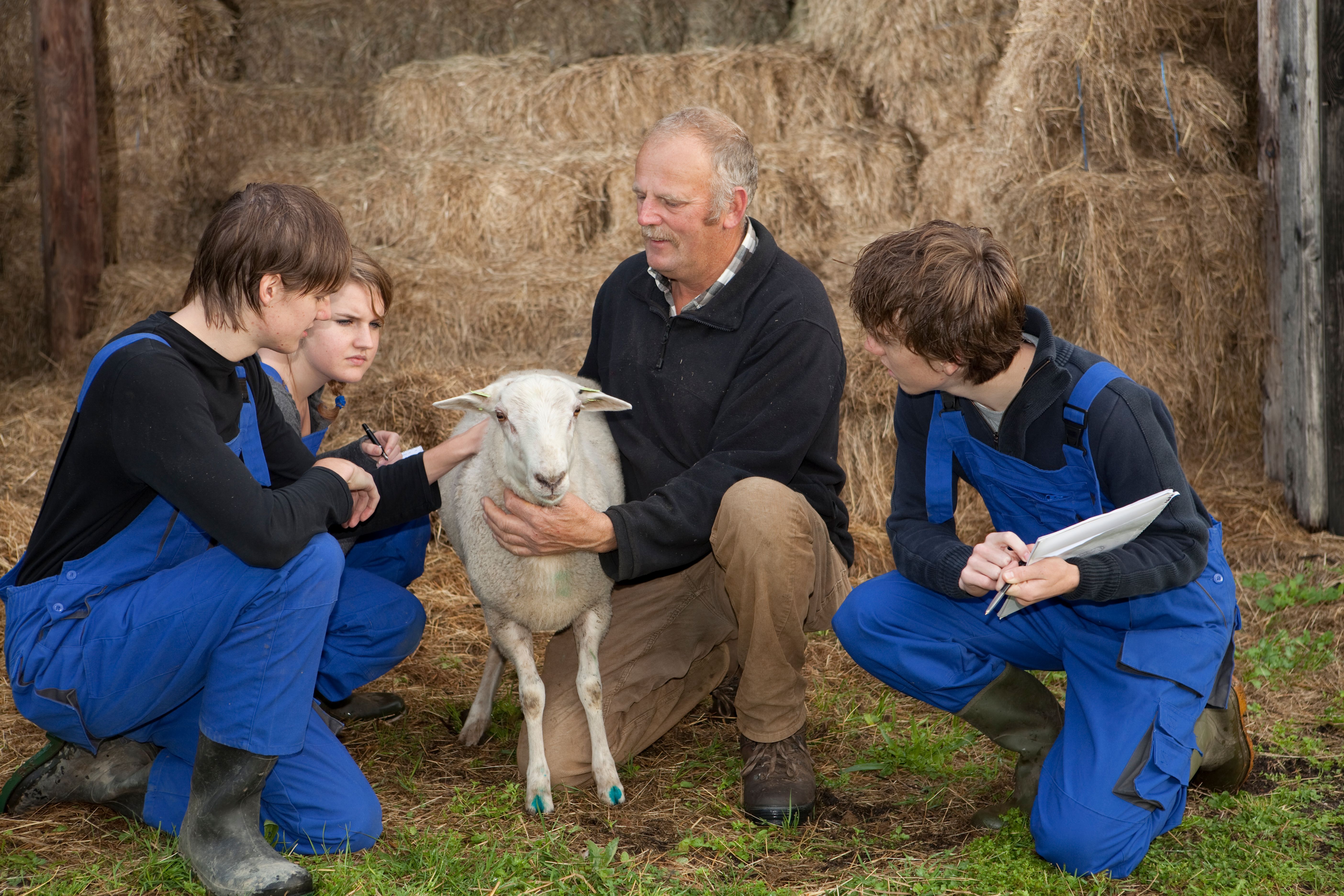
Engaging the local farming community was crucial to the success of this initiative. Workshops and training sessions were conducted to educate farmers about identifying invasive species and implementing control methods.
Farmers were also encouraged to share their experiences and techniques, fostering a collaborative environment where knowledge and resources could be pooled effectively.
Results and Benefits
The results of this project have been overwhelmingly positive. Farms participating in the initiative reported a significant decrease in invasive bush coverage, leading to increased land available for cultivation. Additionally, there has been a noticeable improvement in the health of native plant species.
Beyond the immediate agricultural benefits, this project has also contributed to greater biodiversity and improved soil quality, setting a precedent for sustainable farming practices in the region.
Conclusion
The successful control of invasive bushes in Limpopo serves as a model for other regions facing similar challenges. By combining mechanical, chemical, and biological methods with strong community involvement, it is possible to restore and enhance agricultural landscapes.
This case study highlights the importance of innovative and collaborative approaches in addressing environmental issues, paving the way for a more sustainable future for farming communities.