Comparing Herbicides: Which Is Best for Invasive Bushes?


Understanding Invasive Bushes
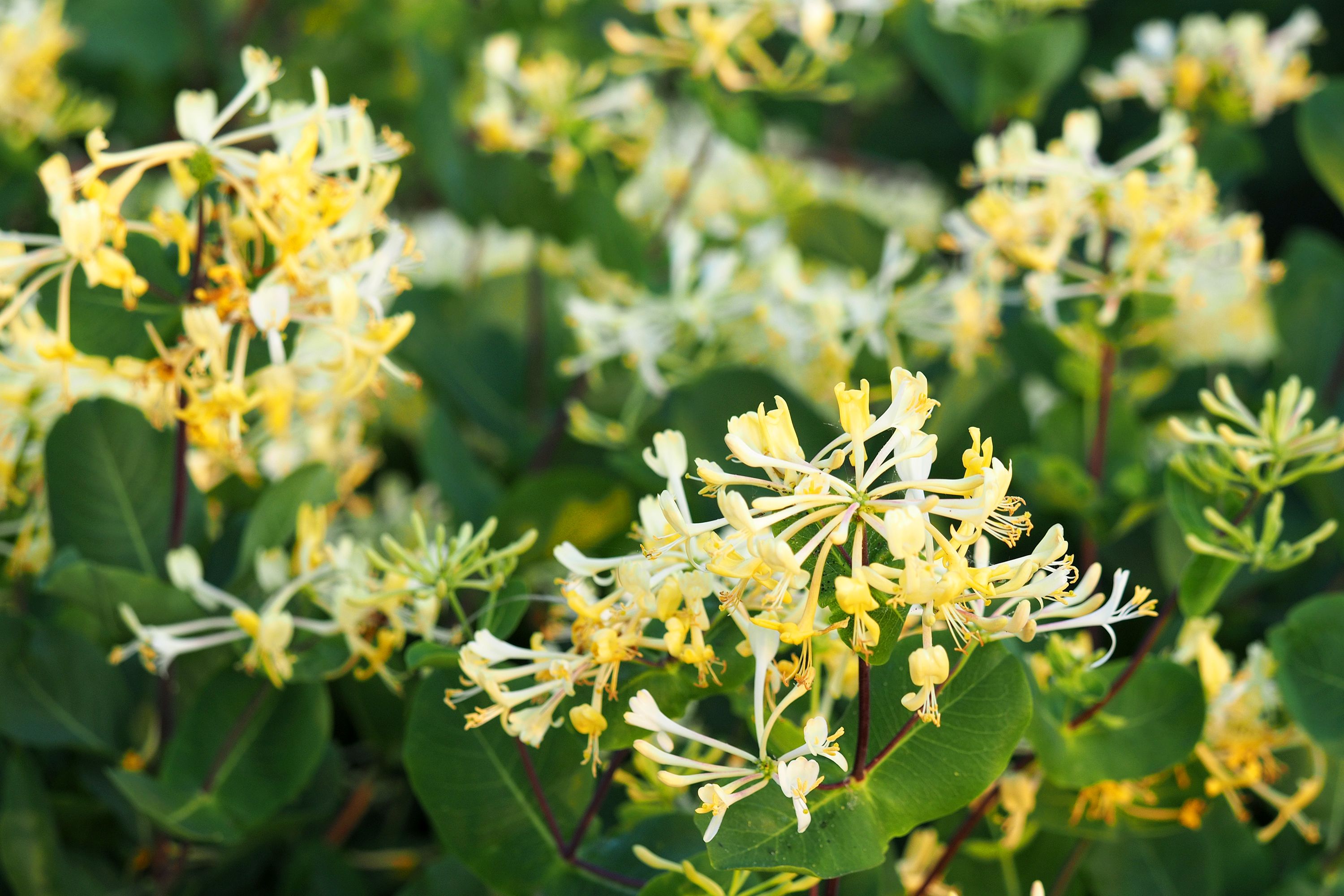
Invasive bushes can quickly take over landscapes, smothering native plants and disrupting local ecosystems. These aggressive species often require intervention to manage effectively. Herbicides are a popular choice for controlling invasive bushes, but selecting the right one can be challenging. In this post, we’ll explore various herbicides and determine which might be best for your needs.
Types of Herbicides
Herbicides are typically categorized into two main types: selective and non-selective. Selective herbicides target specific plants while sparing others, making them suitable for areas where you want to preserve certain vegetation. Non-selective herbicides, on the other hand, kill all plant types and are ideal for clearing areas completely.
Choosing between these types depends on the specific environment and the extent of the invasion. For instance, if invasive bushes are intertwined with desirable plants, a selective herbicide might be preferable.
Popular Herbicides for Invasive Bushes
Here are some widely used herbicides for tackling invasive bushes:
- Glyphosate: A non-selective herbicide that is effective but requires careful application to avoid harming nearby plants.
- Triclopyr: Often used for woody plants, it targets broadleaf species without affecting grasses.
- Imazapyr: Known for its long-lasting effects, it is useful in difficult areas but can persist in soil.
Factors to Consider When Choosing Herbicides
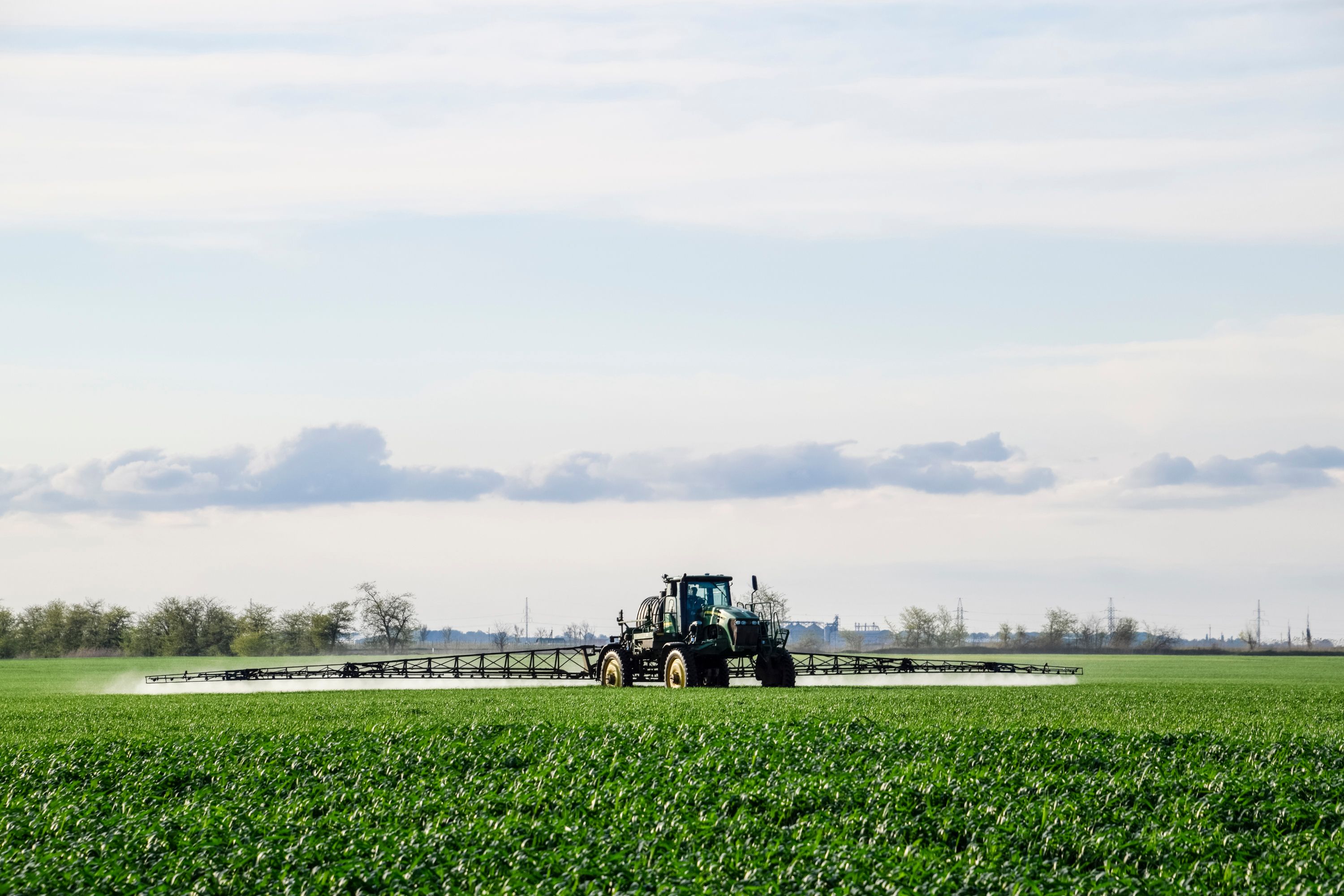
Several factors should influence your choice of herbicide:
- Type of Bushes: Some herbicides are more effective on specific species.
- Environmental Impact: Consider the potential harm to non-target plants and wildlife.
- Persistence: How long the chemical remains active in the soil can affect future planting.
Always read labels and research potential long-term effects before application.
Application Techniques
The effectiveness of herbicides also depends on their application. Techniques such as foliar spraying, basal bark treatment, and cut-stump treatment can influence outcomes. For invasive bushes, a combination of methods might be necessary for thorough eradication.
Safety and Environmental Concerns
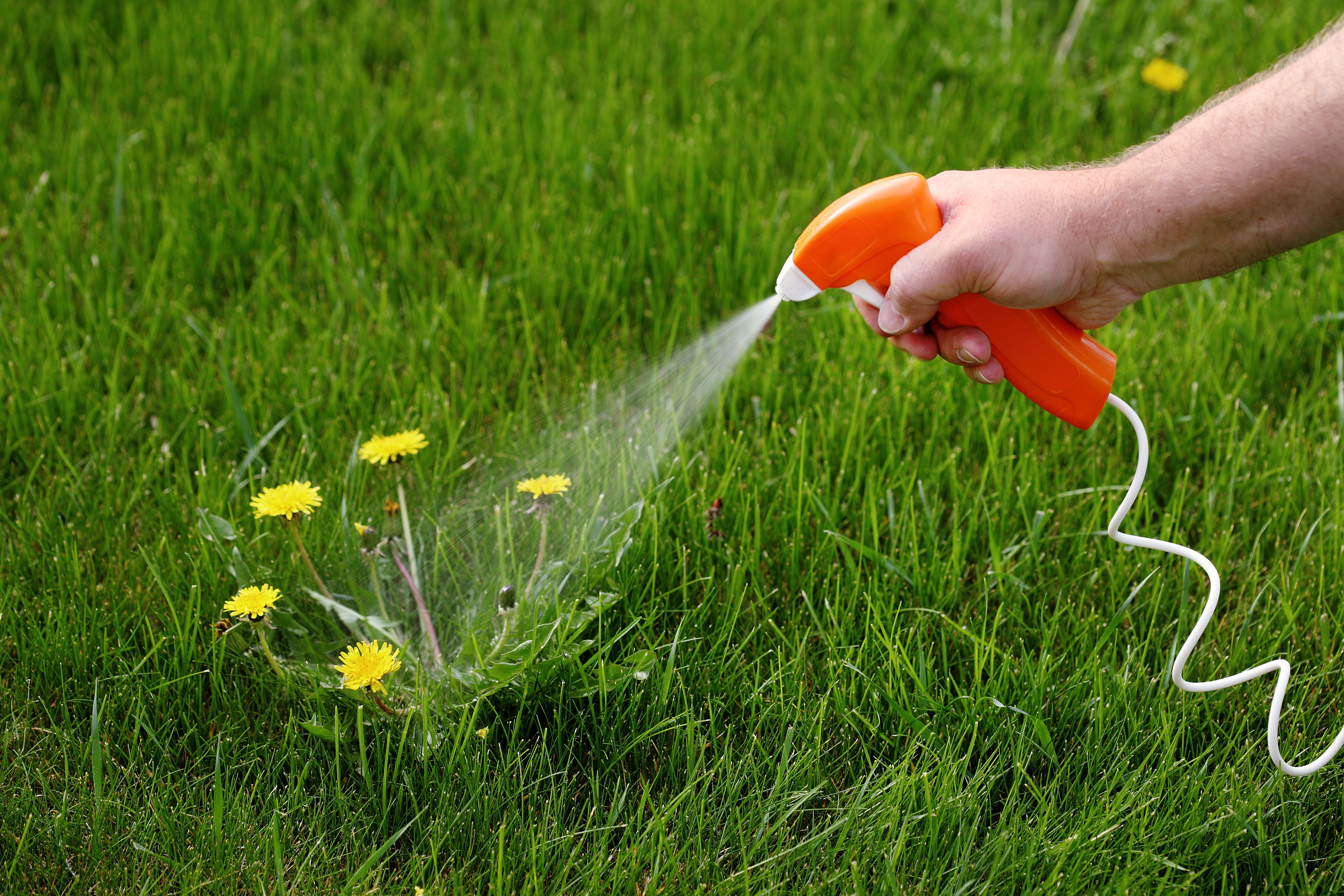
When using herbicides, safety should always be a priority. Wear protective gear and follow all recommended guidelines. Additionally, consider the impact on the environment. Opt for herbicides with lower toxicity levels to minimize ecological damage.
Proper disposal of herbicide containers is also crucial to prevent contamination of soil and water sources.
Conclusion: Making the Right Choice
Choosing the best herbicide for invasive bushes requires careful consideration of the type of bushes, the extent of the invasion, and environmental factors. By understanding the differences between herbicides and their applications, you can make an informed decision that balances effectiveness with ecological responsibility.
Consulting with local experts and continuing education on invasive species management can further enhance your efforts in maintaining a healthy landscape.