Comparing Herbicides: Which Products Are Best for Limpopo's Climate?


Understanding Limpopo's Climate
Limpopo, known for its warm temperatures and semi-arid conditions, presents unique challenges for weed control. The region's climate can influence the effectiveness of various herbicides, making it crucial to choose products that perform well under these conditions. Understanding the local climate is the first step in selecting the best herbicide for your needs.
The province experiences high temperatures, especially in the summer months, coupled with sporadic rainfall. These factors can affect how herbicides are absorbed and how long they remain active. Therefore, selecting a herbicide that is both heat-tolerant and rainfast is essential for effective weed management.

Types of Herbicides Suitable for Limpopo
There are several types of herbicides available, each with unique properties. For effective weed control in Limpopo, consider the following types:
- Pre-emergent Herbicides: These are applied before the weeds germinate and are ideal for preventing weed growth in the first place.
- Post-emergent Herbicides: Used after weeds have already appeared, these herbicides target specific weed types and are often more effective when applied during their active growth stages.
- Selective Herbicides: These target specific weed species without harming desired plants, making them suitable for use in gardens and crop fields.
- Non-selective Herbicides: Designed to kill all plant types, these are best used in areas where no plant growth is desired.
Top Herbicide Products for the Region
When it comes to selecting a herbicide for Limpopo's climate, several products stand out due to their effectiveness and suitability for the region's conditions. Here are some top choices:
- Glyphosate-based Products: Known for their wide-spectrum capability, glyphosate herbicides are effective in controlling a broad range of weeds.
- Dicamba-based Products: These are particularly effective against broadleaf weeds and can be used in both agricultural and non-crop areas.
- 2,4-D Amine: This selective herbicide is excellent for targeting broadleaf weeds without affecting grasses, making it ideal for pastures and lawns.
While these products are generally effective, their success depends largely on proper application and timing. Always follow the manufacturer's instructions for the best results.
Application Tips for Maximum Effectiveness
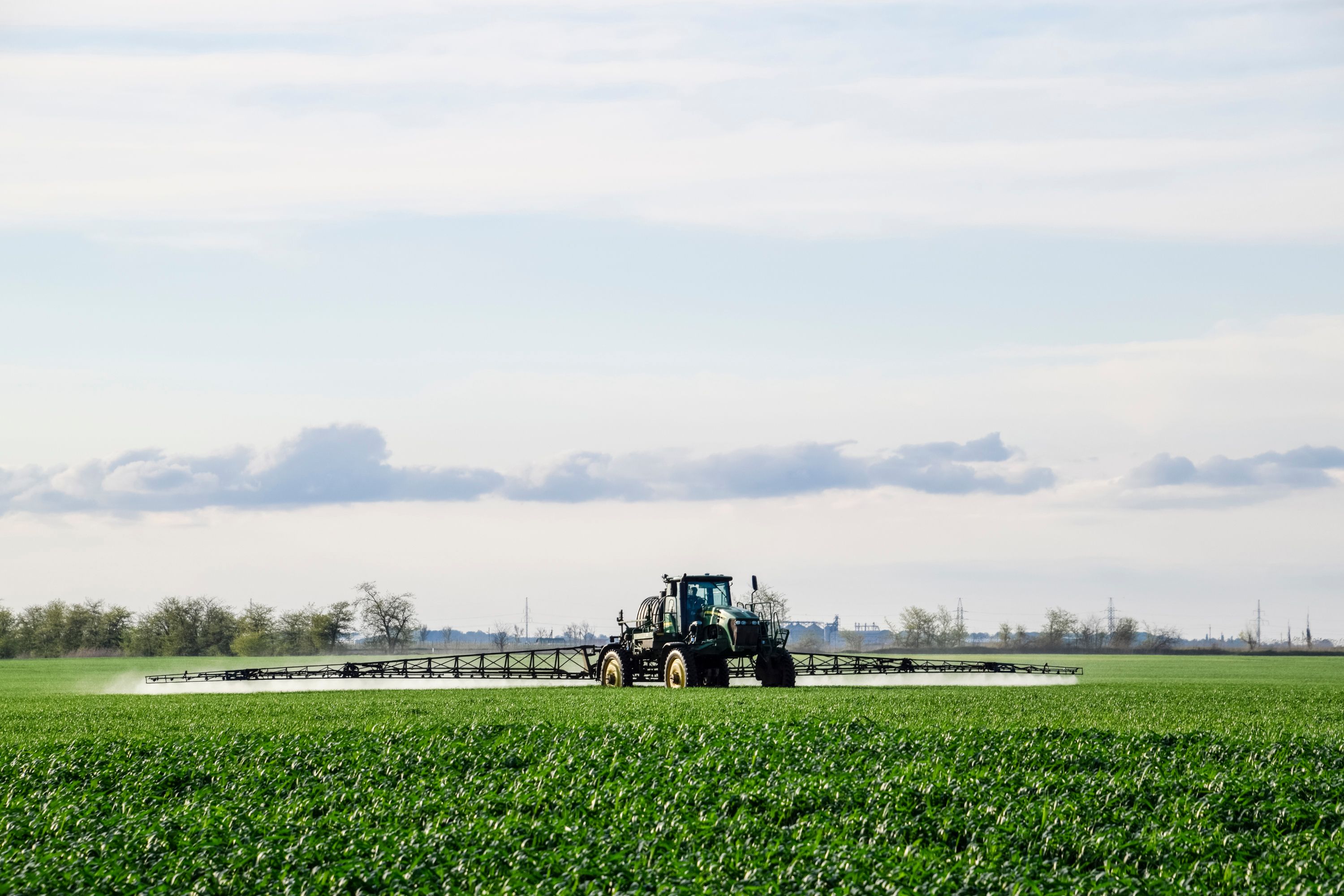
To ensure the best results from your chosen herbicide, consider these application tips:
- Timing: Apply herbicides during the early morning or late afternoon to avoid the hottest parts of the day.
- Weather Conditions: Ensure that no rain is forecasted for at least 24 hours after application to allow the herbicide to absorb effectively.
- Correct Dosage: Stick to the recommended dosages to prevent harm to non-target plants and the environment.
Proper application not only enhances the effectiveness of the herbicide but also contributes to environmental conservation by reducing the risk of runoff and contamination.
Environmental Considerations
While herbicides are effective tools for controlling weeds, it's important to consider their environmental impact. Select products that are environmentally friendly and biodegradable to minimize harm to local ecosystems.
Additionally, integrating herbicide use with other weed control methods, such as mulching and manual removal, can help reduce reliance on chemical solutions and promote sustainable agricultural practices.

By carefully selecting and applying the right herbicides, you can effectively manage weeds in Limpopo's challenging climate while supporting environmental health. Always consult with local agricultural experts to tailor your weed control strategy to the specific conditions of your area.