Comparing Leading Herbicides: Which is Best for Invasive Bushes?


Understanding the Need for Herbicides
Invasive bushes can pose a significant threat to your garden, farm, or any green space. They not only compete with native plants for resources but can also disrupt local ecosystems. Choosing the right herbicide is crucial for effective control and management of these unwelcome intruders.
Herbicides are chemical solutions designed to target specific plant species. They can be selective, affecting only certain types of plants, or non-selective, killing all vegetation they come into contact with. For invasive bushes, selecting the right herbicide involves understanding the specific needs of your situation.
Selective vs. Non-Selective Herbicides
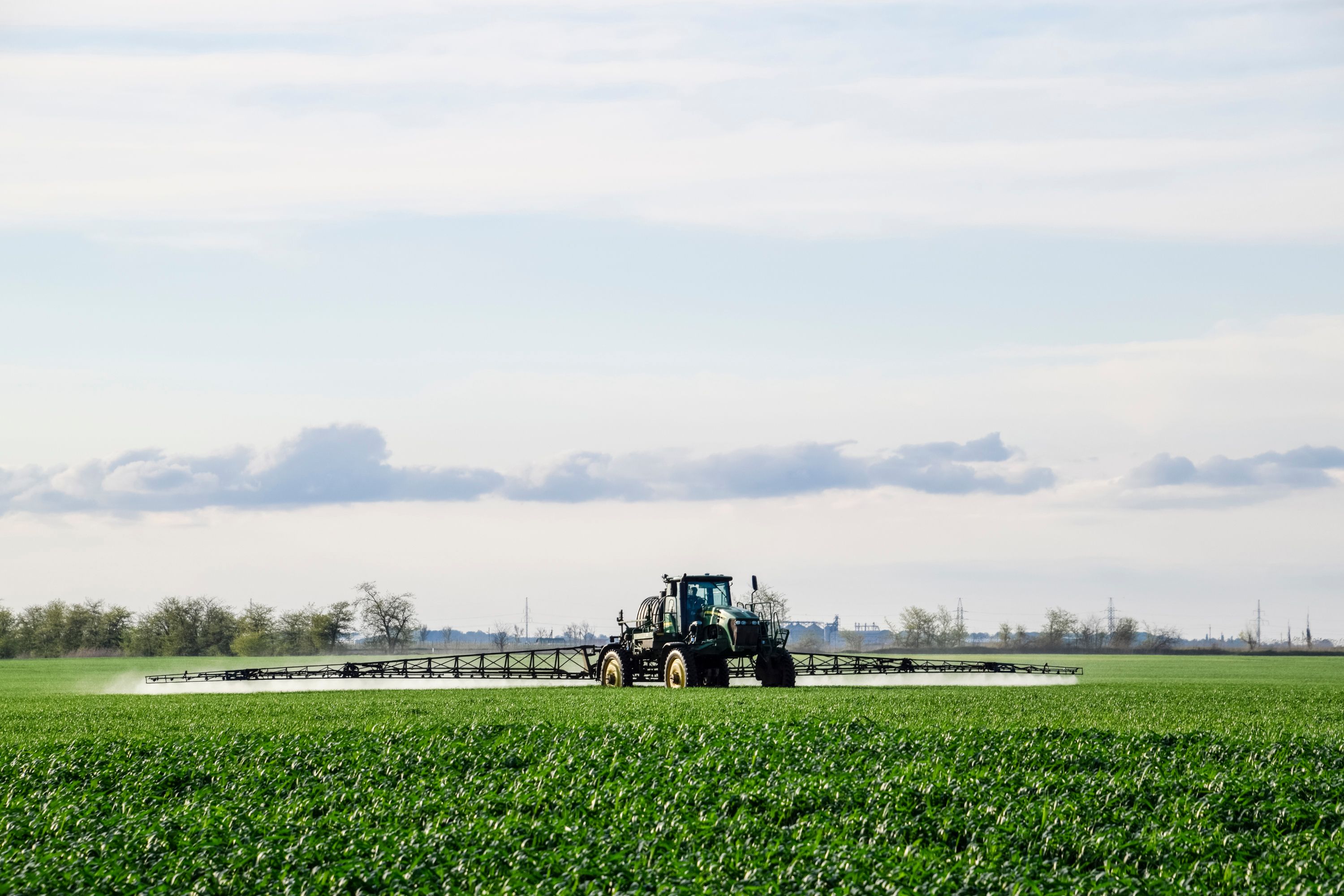
Selective herbicides target specific plant types, making them ideal for areas where you want to preserve surrounding vegetation. For invasive bushes, selective products can be effective if the surrounding plants are valuable to the landscape.
Non-selective herbicides, on the other hand, are powerful options that eradicate all plant life. These are best used in areas where complete vegetation removal is desired, such as preparing land for new plantings or clearing overgrown areas.
Top Herbicide Options for Invasive Bushes
When choosing a herbicide, consider factors like the size of the area, the type of invasive bushes, and environmental impact. Here are some leading options:
- Glyphosate-based Herbicides: Known for their effectiveness, these are non-selective and can kill a wide variety of plants, making them ideal for large infestations.
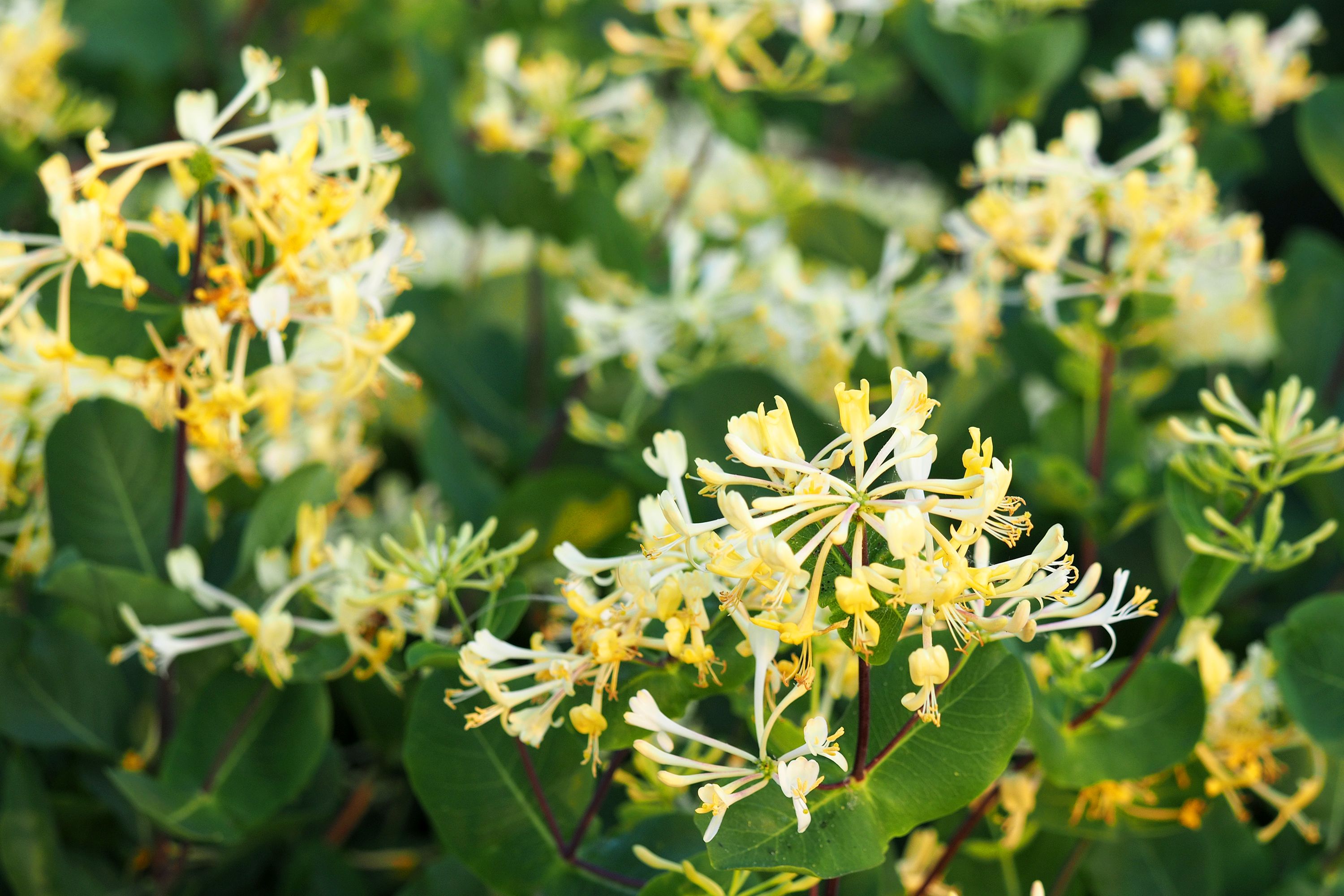
- Triclopyr: A selective herbicide that targets woody plants and broadleaf weeds, making it perfect for controlling invasive bushes without harming grasses.
- Imazapyr: Offers long-lasting control and is effective against tough, woody plants. It's often used in industrial and non-crop areas.
Application Tips for Effective Results
Proper application of herbicides is essential for achieving the desired results. Here are some tips:
- Read and follow all label instructions carefully.
- Apply during dry, calm weather to prevent drift and ensure the herbicide adheres to the plants.
- Consider using a surfactant to enhance herbicide absorption, especially on waxy or hairy leaves.
Timing can also play a critical role. Applying herbicides during the growing season when plants are actively absorbing nutrients can enhance effectiveness.
Environmental Considerations
While herbicides are effective, they can also impact the environment. Non-selective herbicides can lead to soil erosion and water contamination if not applied properly. It's crucial to choose products that balance effectiveness with environmental safety.
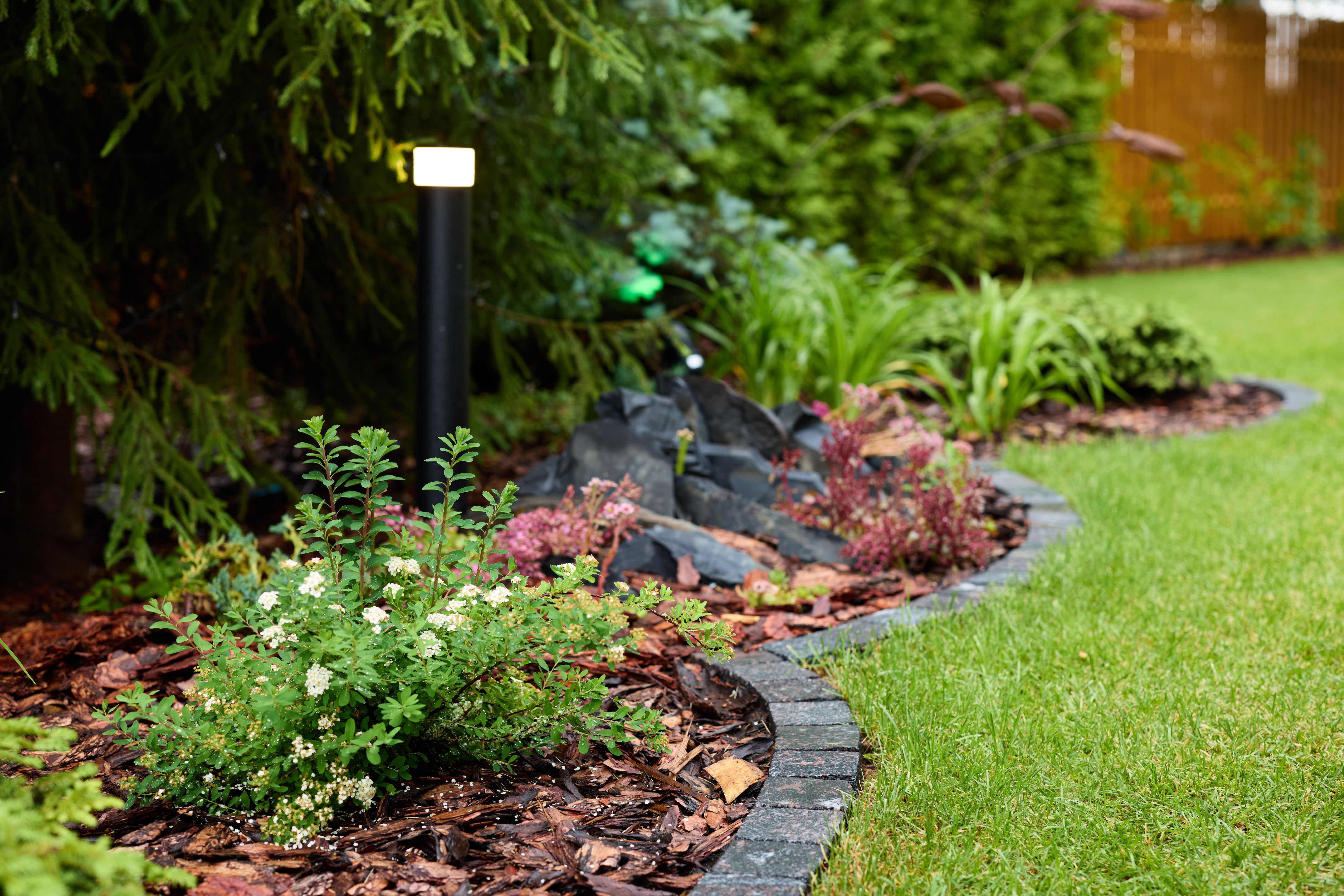
Consider integrating mechanical or manual removal methods alongside chemical treatments for a more sustainable approach. This can reduce the overall amount of chemicals used and help maintain soil health.
Conclusion
Choosing the best herbicide for invasive bushes depends on various factors, including the type of bushes, the surrounding vegetation, and environmental considerations. By understanding the differences between selective and non-selective herbicides and following best practices for application, you can effectively manage invasive species and protect your landscape.