Effective Strategies for Managing Lantana: Tips from Limpopo Experts


In the picturesque landscapes of Limpopo, Lantana, a vibrant yet invasive plant, poses a significant challenge to local ecosystems. Managing this plant effectively is crucial for preserving biodiversity and supporting agriculture. Here, we share expert strategies from Limpopo to help you tackle Lantana effectively.
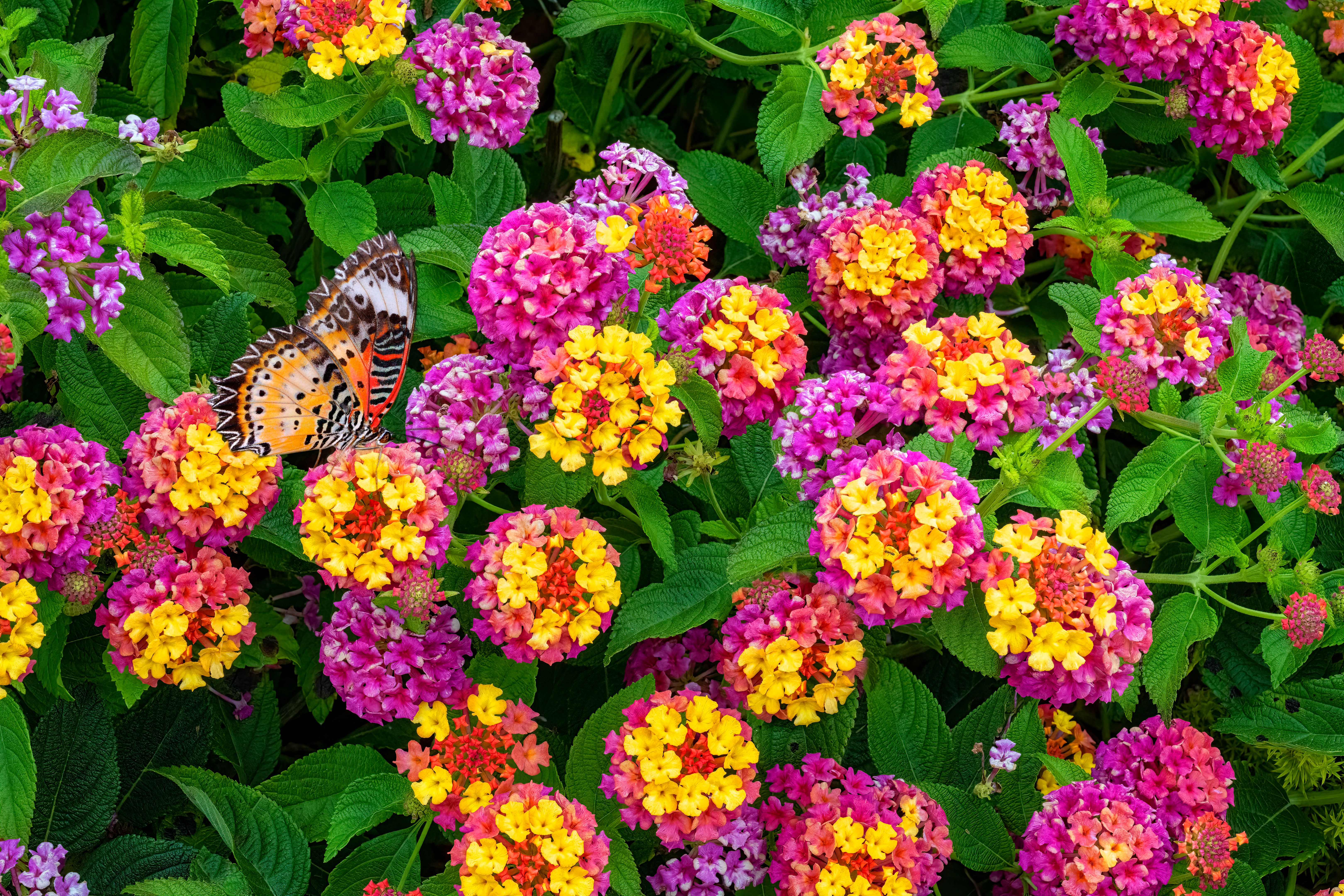
Understanding Lantana
Lantana is a hardy shrub known for its colorful flowers and rapid growth. While it adds beauty to gardens, it can quickly dominate native plants, leading to reduced biodiversity. Understanding its characteristics is the first step in effective management.
Native to tropical regions, Lantana thrives in warm climates, making it particularly aggressive in areas like Limpopo. It can grow in various soil types and is resistant to drought, making it a persistent problem for landowners.
Why Control Lantana?
Controlling Lantana is essential not only for maintaining local plant diversity but also for supporting agriculture. This invasive species competes with crops for nutrients and water, potentially impacting yields. Moreover, Lantana is toxic to livestock, posing a threat to farming operations.
Physical Control Methods
Physical removal is an effective strategy for managing Lantana. This involves uprooting the plant, ensuring that the entire root system is removed to prevent regrowth. For larger infestations, mechanical equipment may be necessary.
Regular monitoring and removal of new sprouts can help keep Lantana under control. It's important to dispose of the removed plants properly to prevent them from taking root elsewhere. Composting is not recommended as the seeds may survive the process.
Herbicide Use
Herbicides can be an effective tool in controlling Lantana, especially in areas where physical removal is impractical. Experts recommend using selective herbicides that target Lantana without harming native species. Timing is crucial, with late spring and early summer being the most effective periods for application.

Biological Control Measures
Biological control involves using natural predators or diseases to manage Lantana populations. In Limpopo, certain insects have been introduced to help curb the spread of this invasive plant. These biological agents can provide a sustainable, long-term solution.
However, biological control should be approached with caution. It's essential to ensure that introduced species do not become invasive themselves. Consulting with local environmental authorities can provide guidance on safe and effective biological control options.
Community Involvement
Community involvement is crucial in the fight against Lantana. Encouraging local communities to participate in removal efforts and educate others about the impact of this invasive species can lead to more effective management.
Workshops and awareness campaigns can help spread knowledge about the importance of controlling Lantana. Collaboration between local authorities, farmers, and residents can create a unified front against this persistent threat.

By employing a combination of these strategies, Limpopo experts have been able to manage Lantana effectively. While it remains a challenge, ongoing efforts and community involvement offer hope for preserving the region's natural beauty and agricultural productivity.