Expert Insights: Differentiating Between Popular Agricultural Chemicals


Understanding Agricultural Chemicals
The world of agriculture relies heavily on various chemicals to enhance crop production and protect plants from pests and diseases. These chemicals, often referred to as agrochemicals, play a significant role in modern farming. However, understanding the differences between these chemicals is crucial for both farmers and consumers.
Agrochemicals can be broadly categorized into fertilizers, pesticides, and herbicides. Each serves a unique purpose in the agricultural process, and their proper use is essential for sustainable farming practices. In this blog post, we will explore these categories and provide insights into their specific roles.
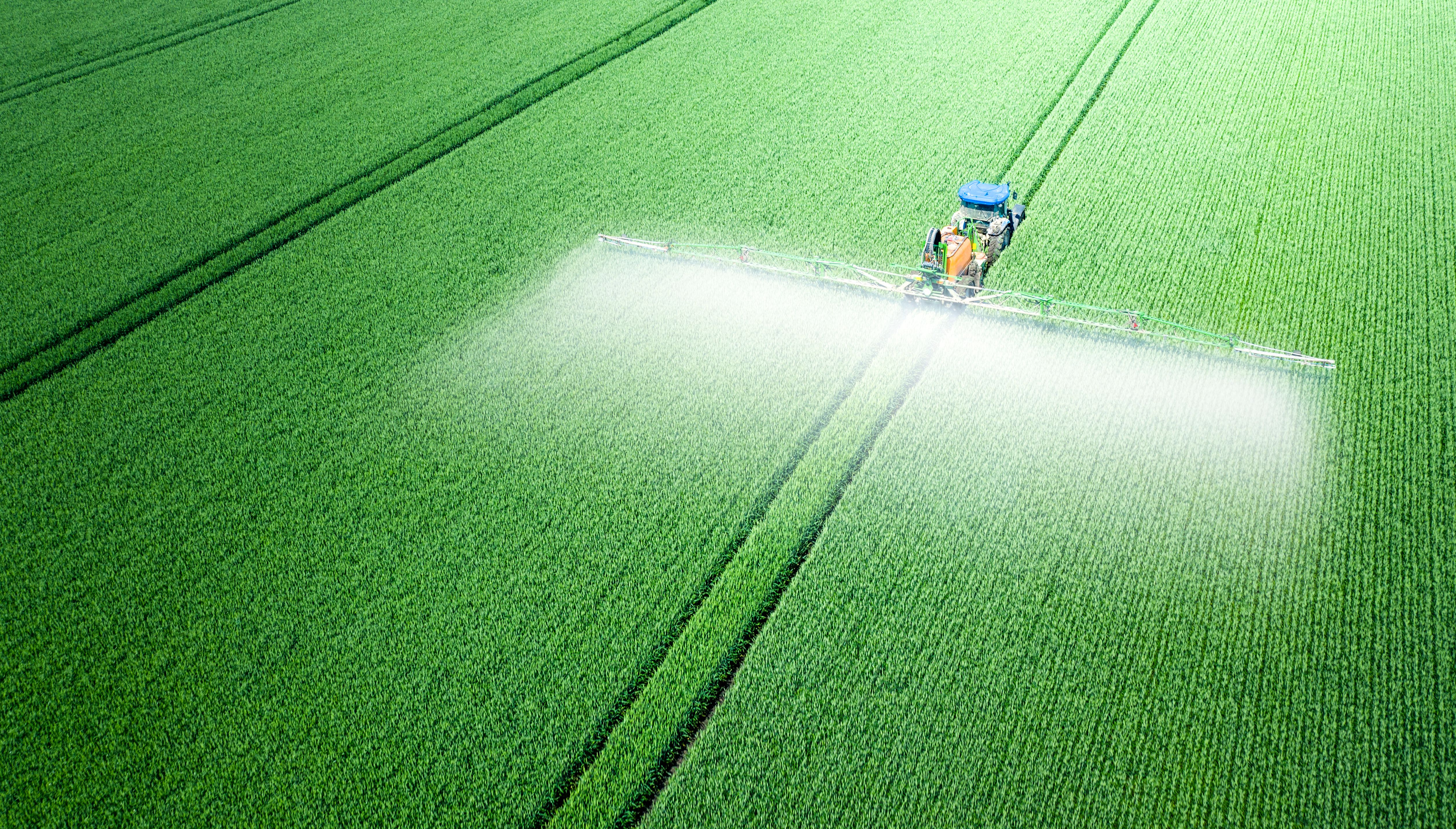
Fertilizers: Boosting Plant Nutrition
Fertilizers are substances added to the soil or plant tissues to provide nutrients essential for growth. They can be organic or inorganic, with the latter being more commonly used due to their immediate effectiveness. Fertilizers primarily supply nitrogen, phosphorus, and potassium, often referred to as NPK.
Understanding the soil's nutrient requirements is vital before applying fertilizers. Overuse can lead to nutrient runoff, causing environmental issues such as water pollution. Farmers need to balance nutrient supply with the actual needs of their crops to ensure both productivity and environmental health.
Pesticides: Protecting Crops from Pests
Pesticides are chemicals used to prevent, destroy, or control pests that can damage crops. These include insects, weeds, and diseases. Pesticides can be classified into insecticides, herbicides, and fungicides, each targeting different types of pests.
While effective, the use of pesticides requires careful management to minimize risks to human health and the environment. Integrated Pest Management (IPM) strategies are often recommended to reduce reliance on chemical pesticides and promote sustainable farming.
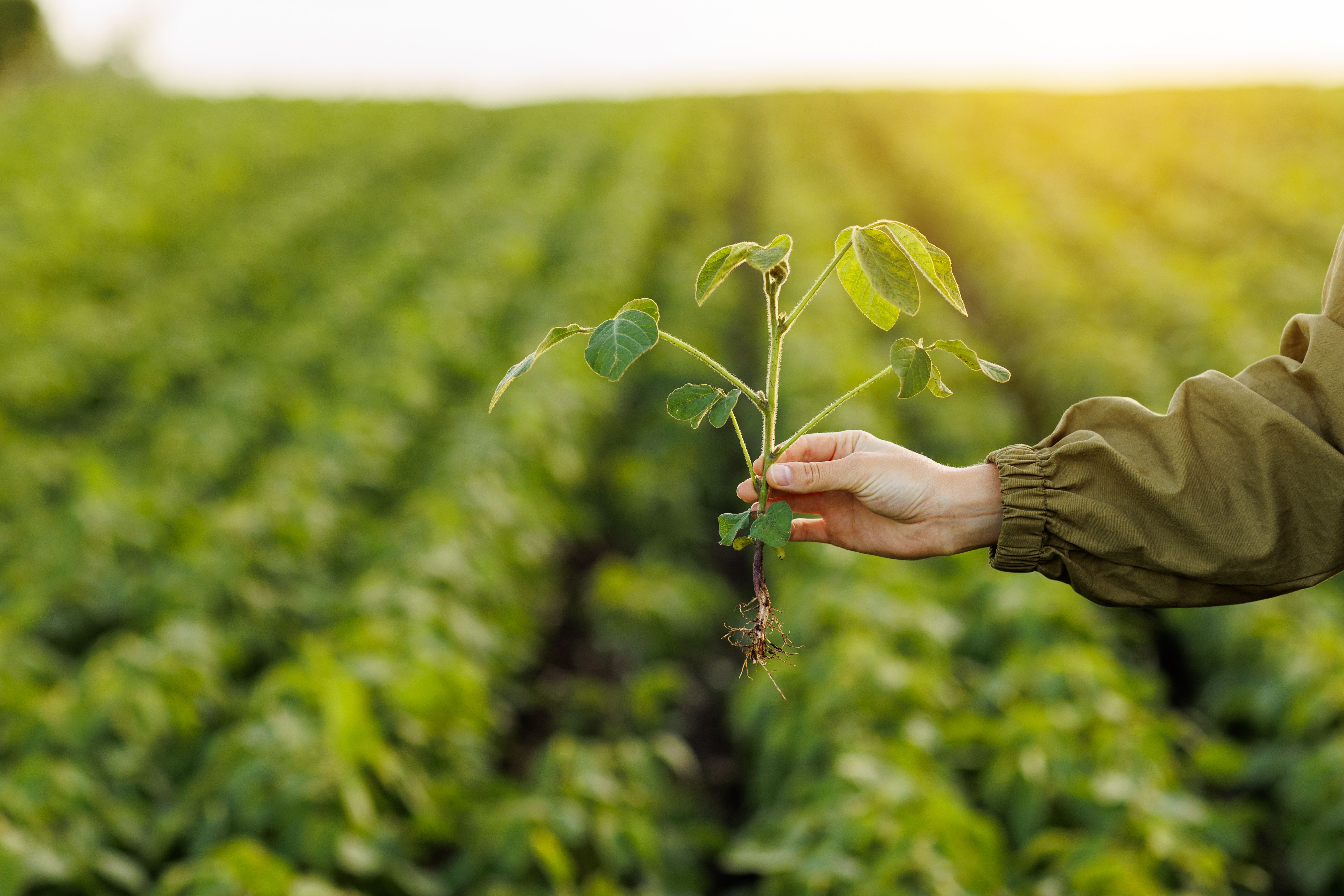
Herbicides: Managing Weed Growth
Herbicides are a specific type of pesticide designed to control unwanted plants or weeds. They are crucial for maintaining crop health by reducing competition for nutrients, water, and light. Herbicides can be selective, targeting specific weed species, or non-selective, affecting all plants they contact.
The choice of herbicide depends on the type of weeds present and the crops grown. It's important for farmers to follow application guidelines to avoid damaging their crops and to prevent herbicide resistance in weeds.
Environmental and Health Considerations
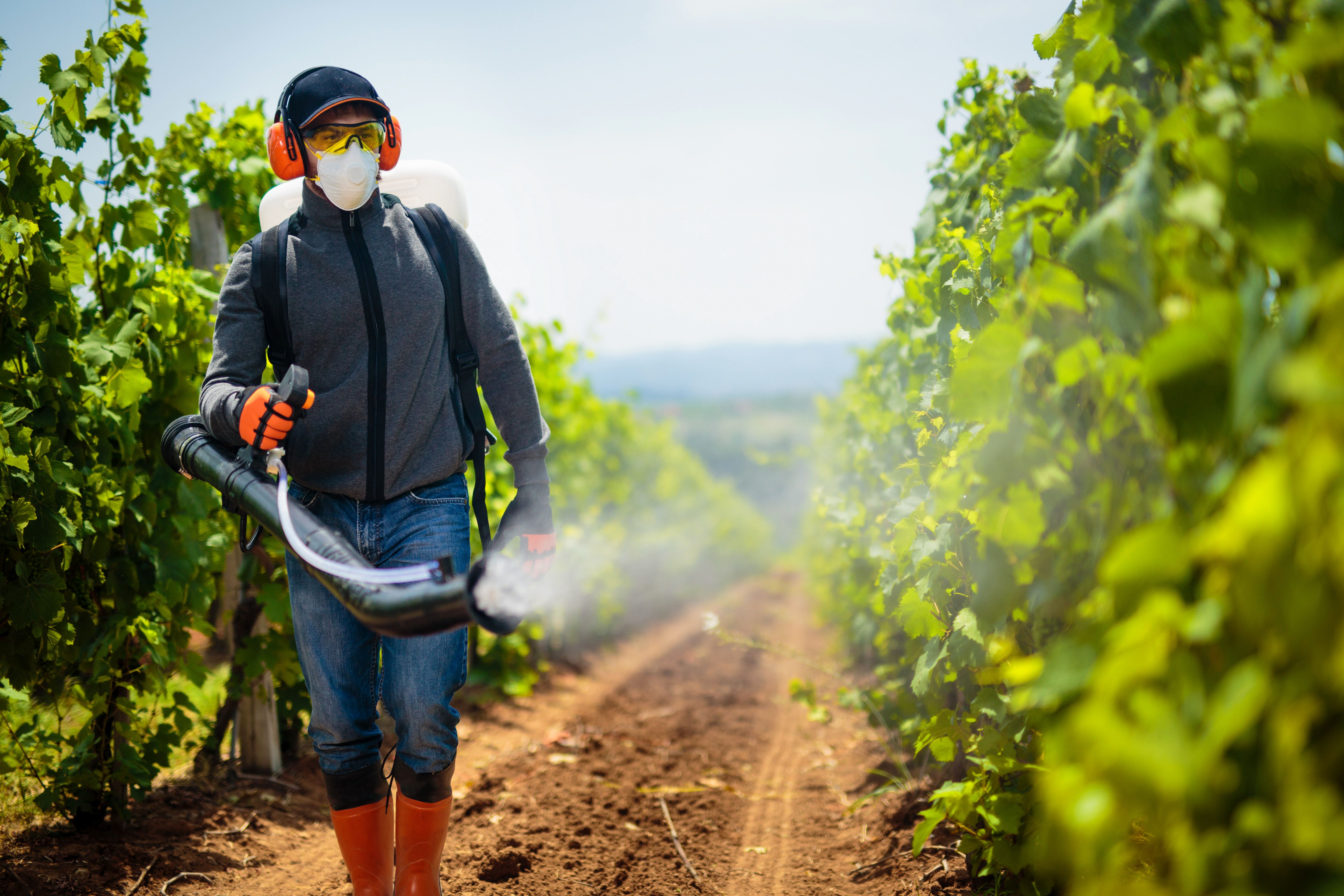
The use of agricultural chemicals comes with responsibilities. Farmers must be aware of the potential environmental impacts, such as soil degradation and water contamination, and take steps to mitigate these risks. Protective measures and proper equipment are also essential to ensure the safety of those applying these chemicals.
Consumers are increasingly concerned about the presence of chemical residues in food. As a result, there is a growing demand for organic produce and sustainable farming practices that reduce chemical use. This shift is encouraging the development of more eco-friendly and less harmful agrochemical alternatives.
Conclusion
Understanding the different types of agricultural chemicals and their specific uses is vital for effective and sustainable farming. By implementing best practices and staying informed about the latest developments in agrochemicals, farmers can enhance productivity while protecting the environment and public health.