Expert Tips on Using Picloram Safely and Effectively


Understanding Picloram
Picloram is a widely used herbicide known for its effectiveness in controlling broadleaf weeds and woody plants. It is commonly applied in agricultural, forestry, and industrial settings. To maximize its benefits while ensuring safety, it is essential to understand how to use Picloram properly.
Preparation and Precautions
Before using Picloram, it is crucial to read the label instructions carefully. This will provide you with important details on the right concentration, application methods, and safety precautions. Always wear protective clothing, including gloves and goggles, to prevent skin and eye contact.
Ensure that the area of application is clear of people, pets, and desirable plants. It's also wise to check the weather forecast, as applying Picloram just before rain can lead to runoff and environmental contamination.
Effective Application Techniques
To apply Picloram effectively, consider the following steps:
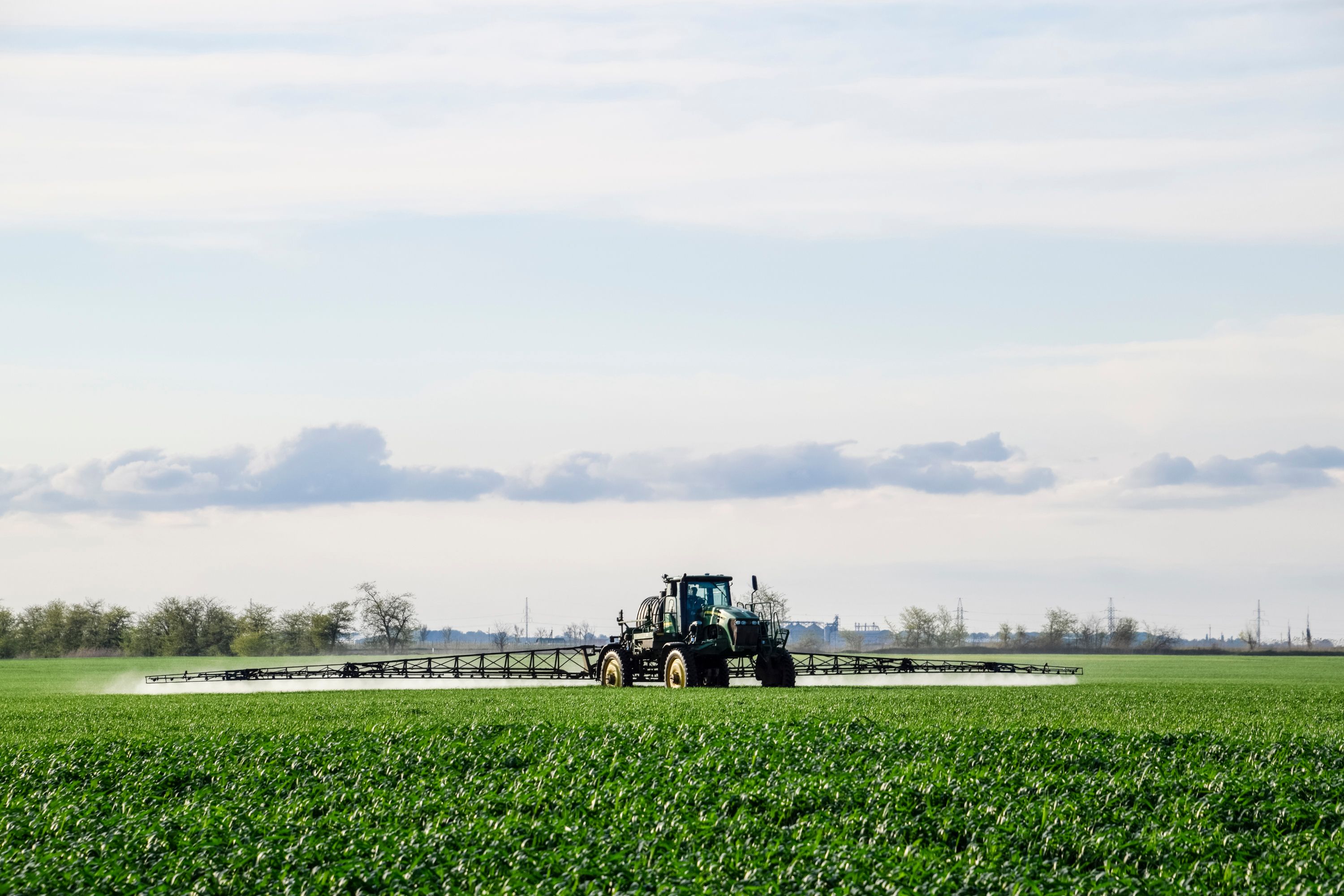
- Use a calibrated sprayer to ensure the correct dosage.
- Make applications during calm weather to prevent drift.
- Target actively growing weeds for better absorption.
Environmental Considerations
Picloram is known for its persistence in soil, which can affect non-target plants. To minimize environmental impact, avoid applying near water bodies and sensitive ecosystems. Consider using buffer zones as an additional protective measure.
Dispose of any unused herbicide and containers in accordance with local regulations to prevent contamination.
Monitoring and Follow-Up
After application, monitoring the treated area is key to assessing the effectiveness of Picloram. Look for signs of wilting and discoloration in target plants as indicators of success. It may be necessary to perform follow-up treatments if some weeds persist.

Expert Recommendations
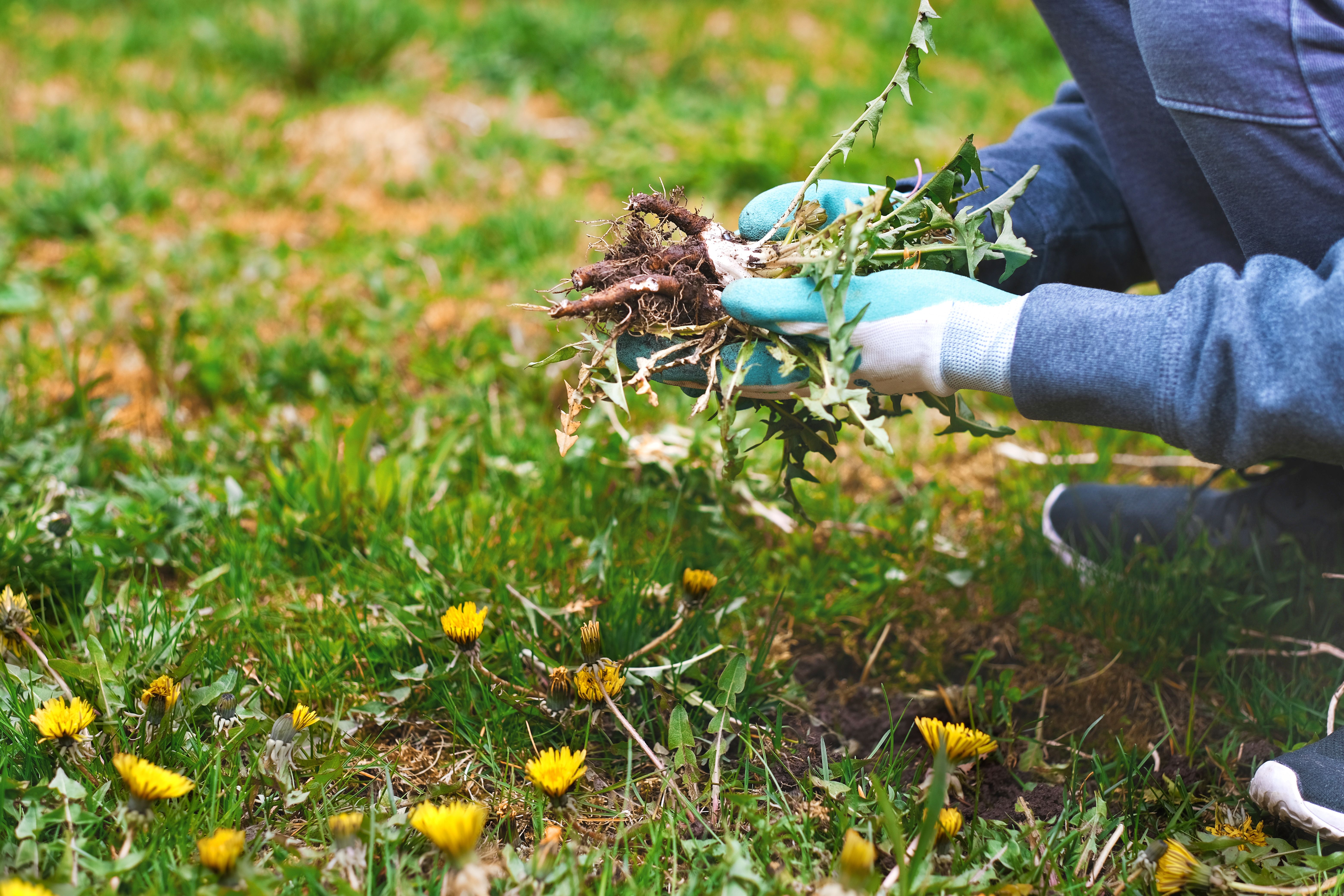
Experts suggest integrating Picloram with other weed management practices for optimal results. This could include mechanical removal and crop rotation. Diversifying strategies helps in preventing herbicide resistance and maintaining soil health.
Consulting with an agronomist or a local extension service can provide personalized advice tailored to your specific situation.
Conclusion
Using Picloram safely and effectively requires a combination of careful planning, precise application, and ongoing monitoring. By following these expert tips, you can achieve effective weed control while minimizing risks to the environment and your health. Always stay informed and adhere to best practices for the best outcomes.