Herbicides vs. Organic Methods: Which is Best for Your Crops?


The Dilemma: Herbicides vs. Organic Methods
Choosing between herbicides and organic methods for managing weeds and pests in crops is a significant decision for farmers. Each approach has its own set of advantages and challenges, affecting the environment, crop yield, and overall sustainability. Understanding these differences can help make informed choices for your agricultural practices.
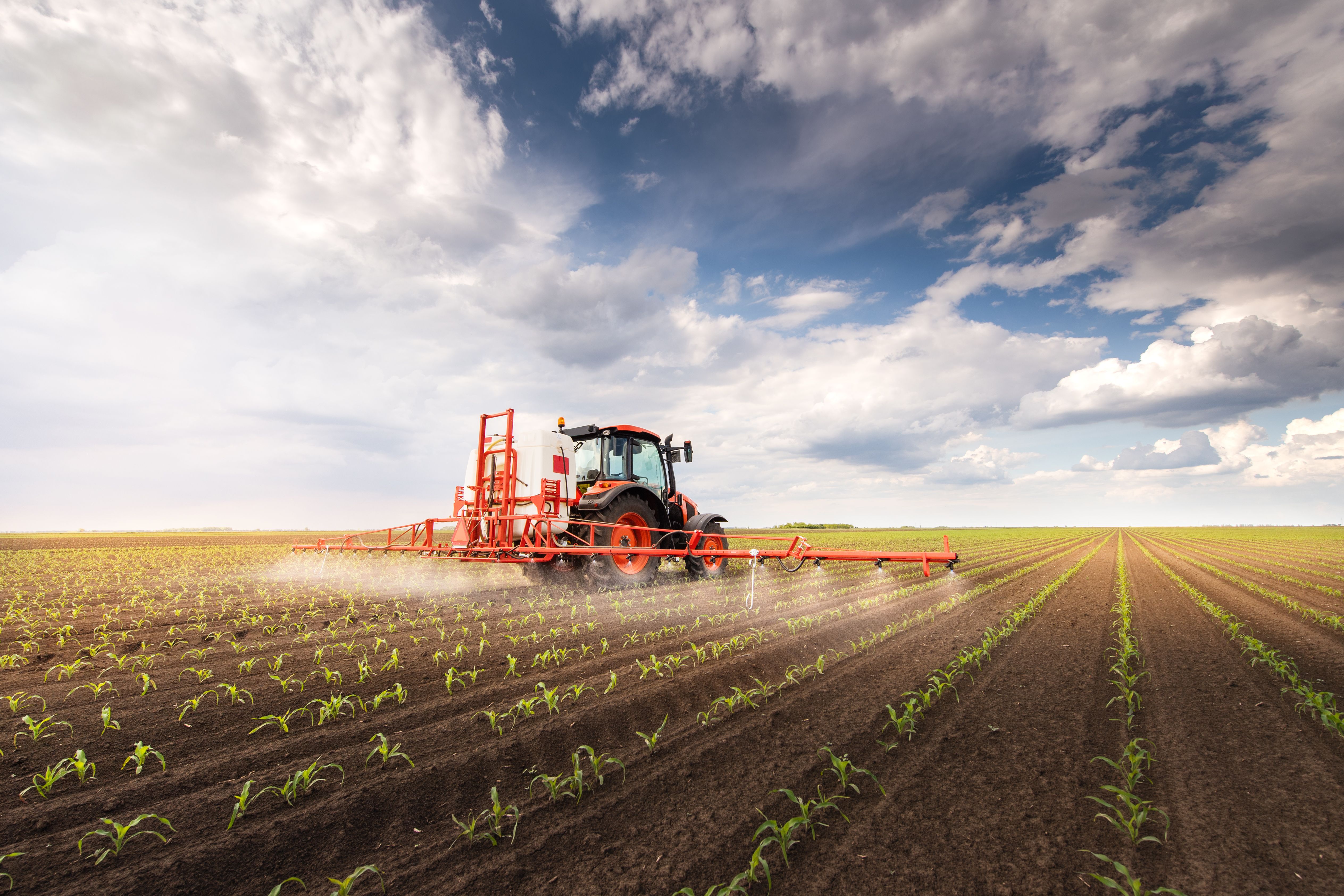
Understanding Herbicides
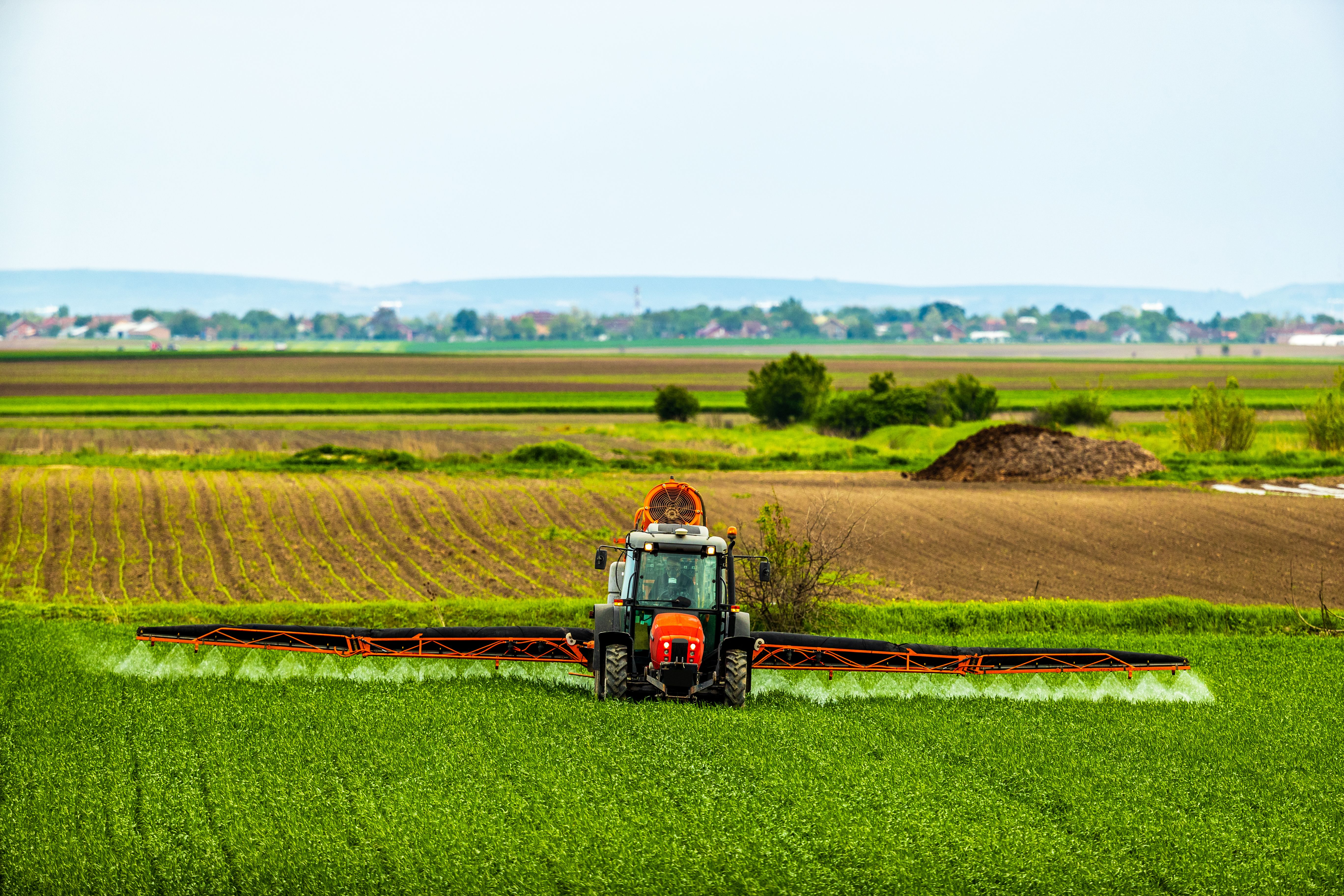
Herbicides are chemical solutions designed to eliminate weeds and unwanted plants. They are popular for their efficiency and ability to cover large areas quickly. Farmers often choose herbicides for their effectiveness in maintaining crop health by reducing competition for nutrients and sunlight. However, there are concerns about their environmental impact, including potential soil degradation and water contamination.
Some common herbicides include glyphosate, atrazine, and dicamba. While they promise quick results, it's essential to follow application guidelines strictly to minimize any negative effects on the crops and surrounding ecosystems.
Exploring Organic Methods
In contrast, organic methods focus on natural solutions to control weeds and pests. This can include techniques like crop rotation, mulching, and manual weeding. These methods aim to enhance soil health and biodiversity, promoting a more sustainable agricultural environment. Organic farming often appeals to those concerned about chemical residues in food and the long-term health of the planet.
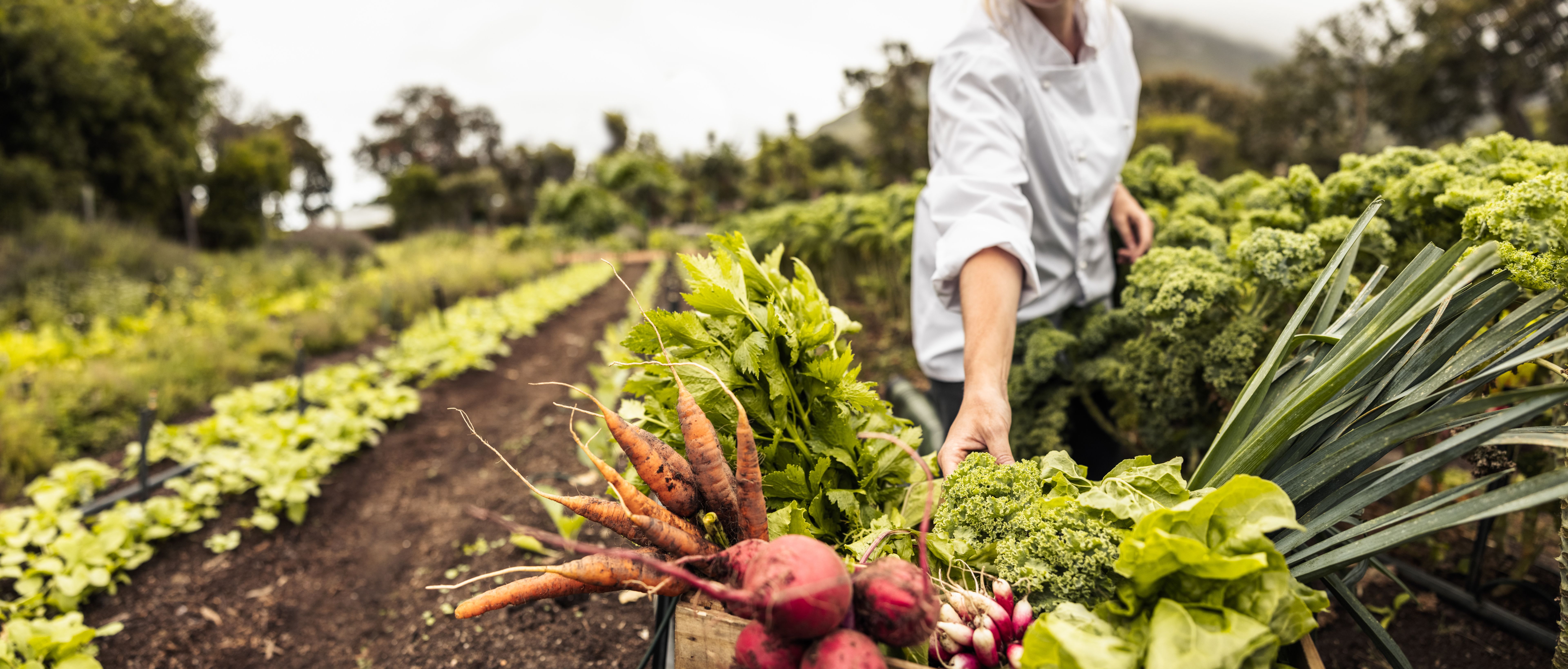
While organic methods can be labor-intensive and might take longer to see results, they offer the benefit of reducing chemical inputs and fostering a healthier ecosystem. Farmers embracing organic practices often see improved soil fertility and beneficial insect populations.
Comparing Costs and Benefits
When deciding between herbicides and organic methods, cost is a crucial factor. Herbicides may require a higher initial investment in chemicals and equipment, but they can save on labor costs. On the other hand, organic methods may be less costly in terms of inputs but demand more manual labor and time.
- Herbicides: Quick, efficient, but potentially harmful to the environment.
- Organic Methods: Eco-friendly, enhances soil health, but labor-intensive.
Impact on Yield and Quality
The choice between these methods can also influence crop yield and quality. Herbicides often lead to high yields due to efficient weed control, but there are concerns about chemical residues. Organic crops might have lower yields initially, but they often boast higher quality and are free from synthetic chemicals.
Consumer demand for organic produce is rising, reflecting growing awareness and preference for chemical-free food. This shift is encouraging more farmers to consider organic methods seriously.
Making the Right Choice for Your Farm
Ultimately, the choice between herbicides and organic methods depends on your farm's specific needs, goals, and values. Factors such as farm size, labor availability, and market demand should be considered. Some farmers opt for an integrated approach, combining both methods to balance efficiency and sustainability.
Engaging with agricultural experts and conducting thorough research can provide valuable insights. Testing different strategies on a small scale before full implementation can also help in making more informed decisions.