How Do Herbicides Work on Weeds? An In-Depth Exploration


Herbicides play a crucial role in modern agriculture and gardening by helping to control unwanted plants or weeds. Understanding how these chemicals work can aid in more effective and environmentally responsible usage. In this article, we'll take a closer look at the mechanisms behind herbicides and how they target pesky weeds.
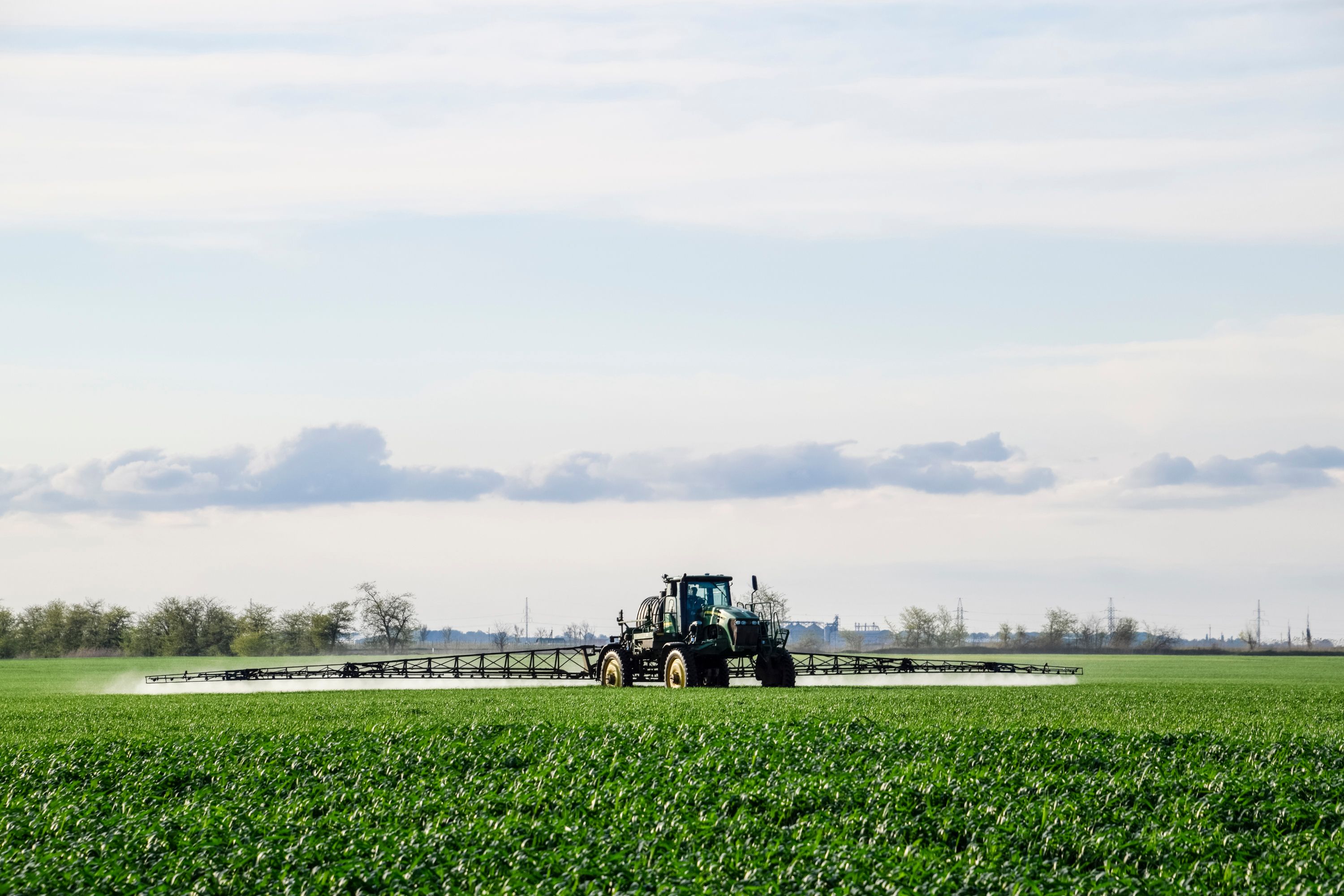
What Are Herbicides?
Herbicides are chemicals specifically formulated to kill or inhibit the growth of plants deemed undesirable. These substances come in various forms and can be selective, targeting specific plants, or non-selective, affecting all plant life they come into contact with. The choice between these types depends on the context and specific weed management needs.
Selective vs. Non-Selective Herbicides
Selective herbicides are designed to target specific types of plants, leaving crops and other desired vegetation unharmed. For example, a selective herbicide might target broadleaf weeds while sparing grasses. Non-selective herbicides, on the other hand, will affect any plant they touch, making them ideal for clearing areas entirely of vegetation.
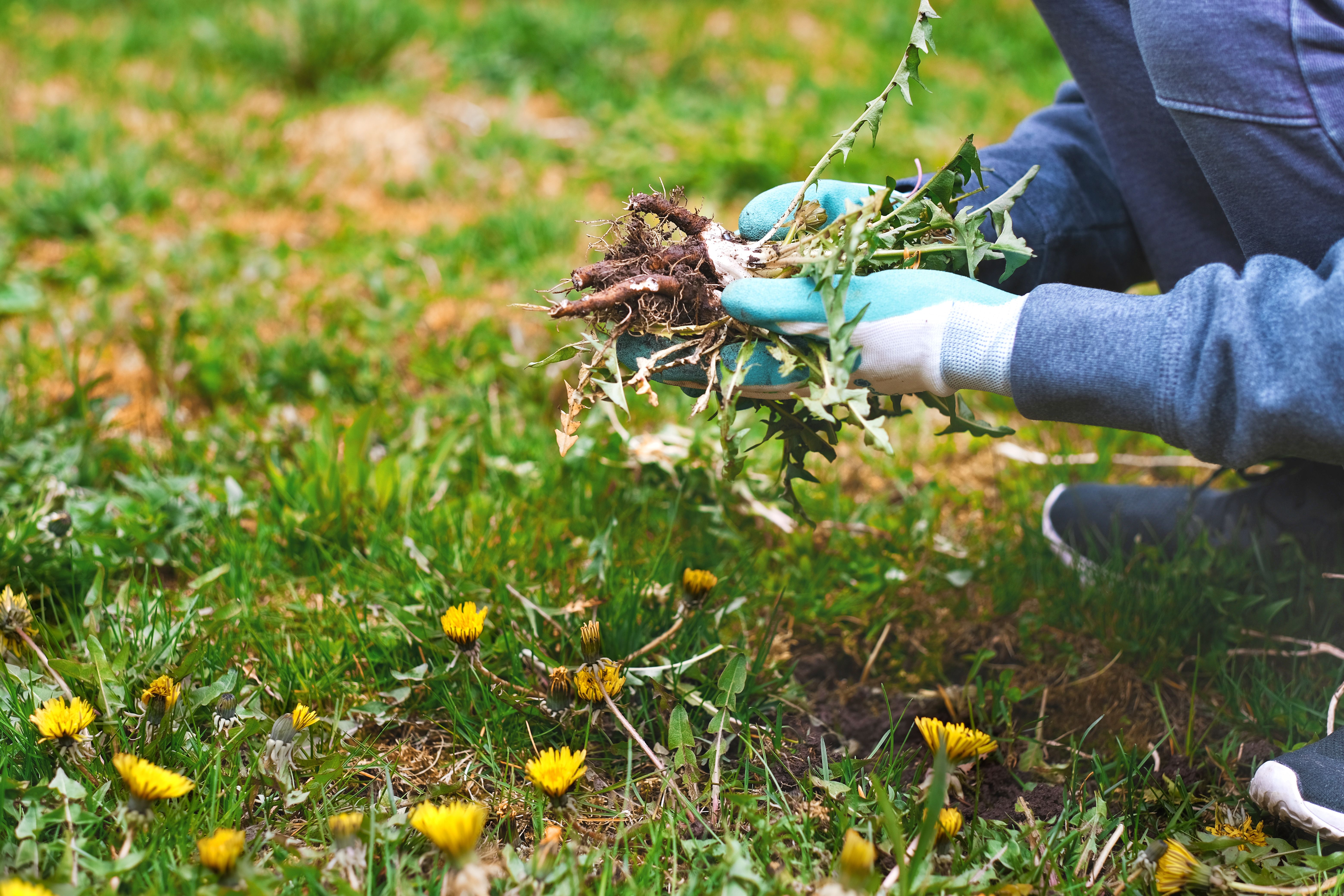
How Herbicides Target Weeds
Herbicides work through various mechanisms to disrupt essential processes within the plant. Some common methods include:
- Photosynthesis Inhibitors: These herbicides block the plant's ability to convert sunlight into energy.
- Amino Acid Synthesis Inhibitors: By interfering with protein production, these chemicals hinder plant growth.
- Cell Membrane Disruptors: They cause damage to plant cells, leading to rapid death.
Systemic vs. Contact Herbicides
Another classification of herbicides is based on their mode of action:
- Systemic Herbicides: These are absorbed through the foliage or roots and move throughout the plant, making them effective against perennial weeds.
- Contact Herbicides: They kill only the parts of the plant they come into contact with, ideal for managing annual weeds.

Environmental and Safety Considerations
While herbicides offer many benefits, their use comes with environmental and health considerations. It is essential to follow label instructions carefully and consider integrated weed management practices to reduce chemical dependency. Proper application techniques can minimize the impact on non-target species and reduce the risk of herbicide resistance.
Integrated Weed Management
Combining herbicides with other weed control methods, such as crop rotation and mechanical removal, can lead to more sustainable and long-term results. This integrated approach helps preserve biodiversity and reduce the potential negative impacts on the environment.
In conclusion, understanding how herbicides work can lead to more informed decisions and better weed management practices. By considering the type, mechanism, and environmental impact, we can effectively control weeds while minimizing harm to our ecosystems.