How Herbicides Work on Weeds: A Deep Dive


Understanding Herbicides
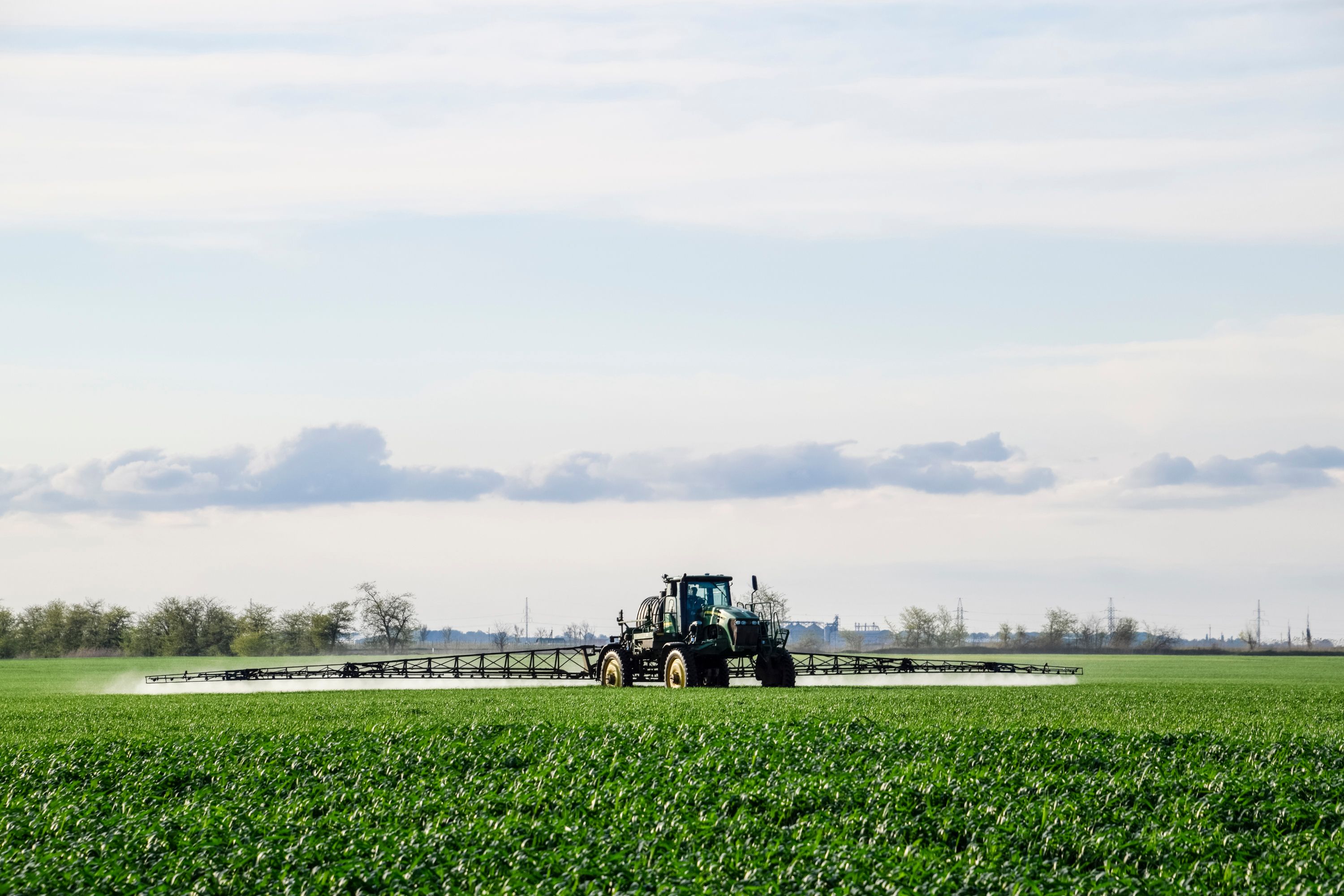
Herbicides are chemical substances used to manage or eliminate unwanted plants, commonly known as weeds. These products play a crucial role in agriculture by ensuring crops have the necessary space and resources to thrive. By understanding how herbicides work, farmers and gardeners can make informed decisions to enhance plant health and productivity.
Types of Herbicides
Herbicides are generally categorized based on their mode of action and the timing of their application. There are two main types:
- Selective Herbicides: Target specific weed species while leaving desired crops unharmed.
- Non-Selective Herbicides: Kill all plants they come into contact with, useful for clearing areas completely.
Additionally, herbicides can be pre-emergent, applied before weed seeds germinate, or post-emergent, used after weeds have emerged.
Mode of Action
Herbicides work by disrupting essential biological processes within weeds. Understanding these modes of action helps in selecting the right product for effective weed control:
- Growth Regulators: Mimic natural plant hormones, causing abnormal growth and eventual death.
- Photosynthesis Inhibitors: Prevent the weed from converting sunlight into energy.
- Amino Acid Synthesis Inhibitors: Block essential proteins needed for growth.
Factors Influencing Herbicide Effectiveness
Several factors can influence how effectively a herbicide controls weeds. These include:
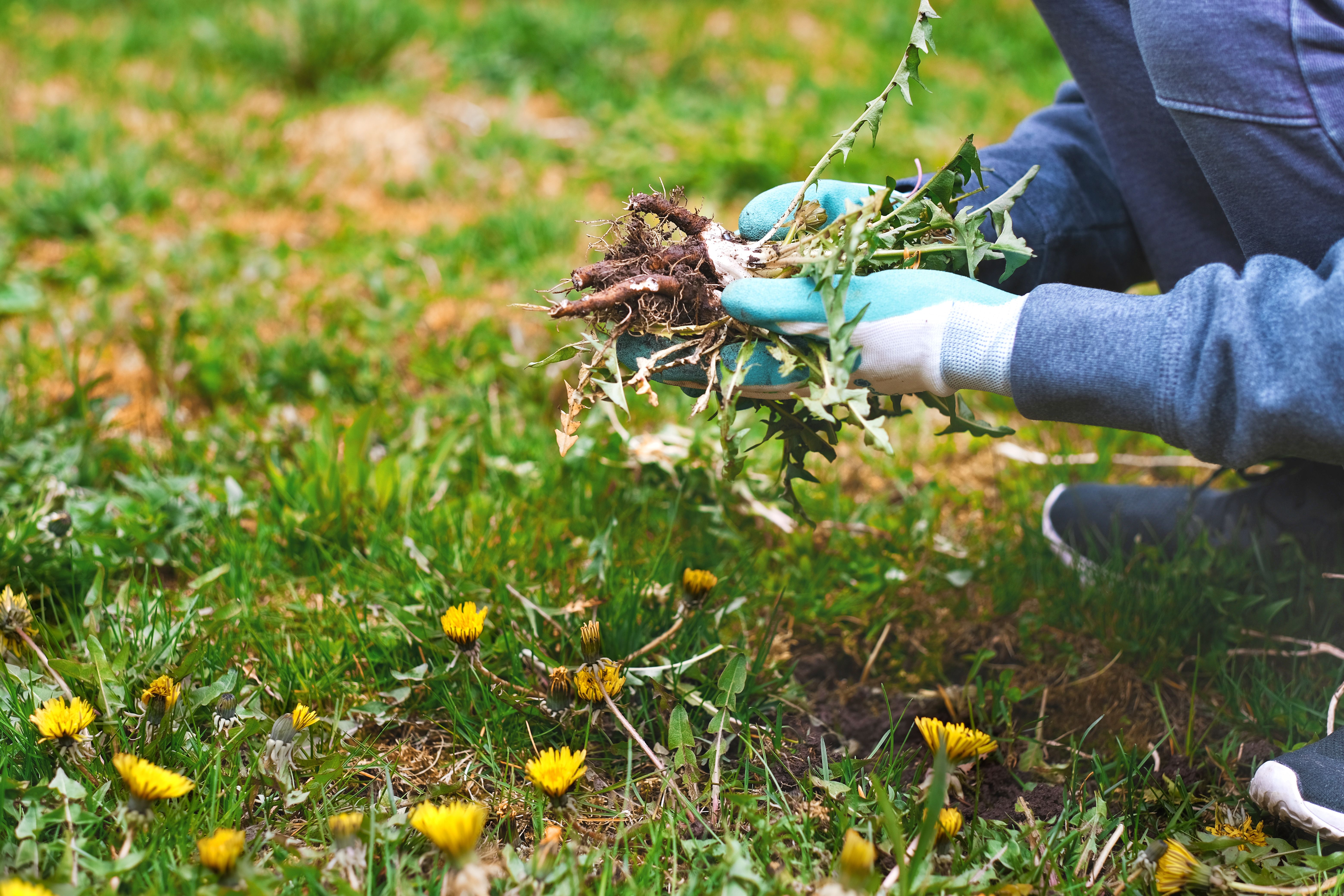
- Weed Species: Some species may be resistant to certain herbicides.
- Application Timing: Applying at the correct growth stage is essential.
- Environmental Conditions: Rain, temperature, and soil type can affect herbicide performance.
Environmental and Health Considerations
While herbicides are powerful tools, they must be used responsibly to minimize environmental impact. Non-target plants, animals, and water sources can be adversely affected if herbicides are misapplied. It's crucial to follow guidelines and ensure proper handling and storage.

Integrated Weed Management
For sustainable weed control, integrating herbicides with other strategies is effective. This includes crop rotation, mechanical weeding, and cover cropping. By combining different methods, the reliance on chemical herbicides can be reduced, promoting a healthier ecosystem.
Through understanding and proper application, herbicides can be used effectively to manage weeds, ensuring crops receive the nutrients and light they need to flourish. As research continues, new formulations and methods are being developed to enhance efficiency and reduce potential risks.