How to Prepare Your Farm for Seasonal Changes in Limpopo


Understanding Limpopo's Climate
Limpopo's unique climate presents both challenges and opportunities for farmers. The region experiences a subtropical climate with distinct wet and dry seasons. Understanding these seasonal changes is crucial for effective farm management. During the wet season, which typically occurs from October to March, the area receives most of its annual rainfall. Conversely, the dry season stretches from April to September.
Preparing for the Wet Season
Soil Preparation and Fertilization
Before the rains begin, it's essential to prepare your soil. Start by testing the soil to determine its nutrient content and pH level. Based on the results, apply the necessary fertilizers to enhance soil fertility. This preparation ensures that crops have the nutrients they need to thrive during the growing season.
Drainage and Water Management
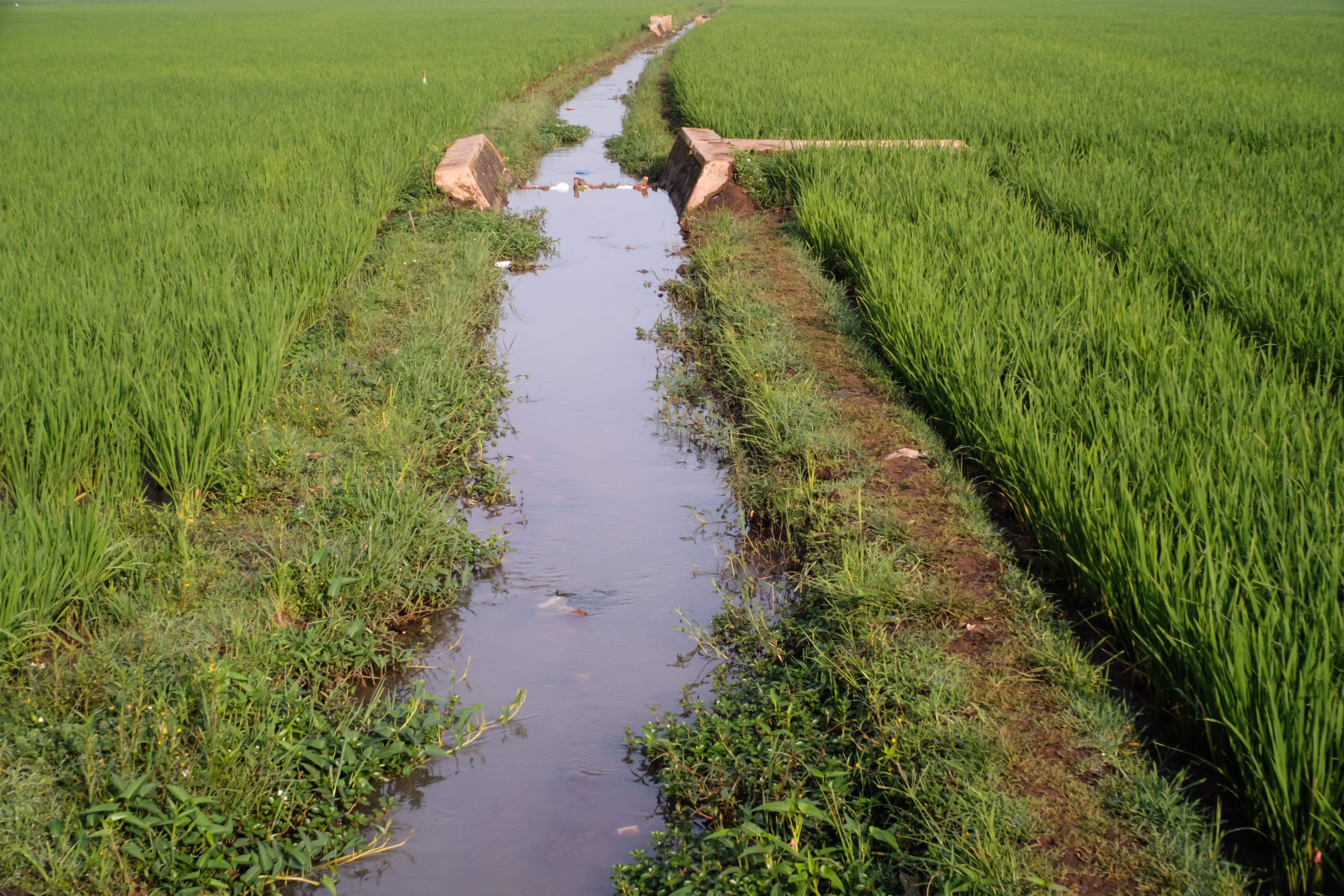
With the onset of the wet season, managing water becomes crucial. Ensure that your farm has adequate drainage systems to prevent waterlogging, which can damage crops. Consider creating channels or using raised beds to facilitate water flow. Additionally, maintaining proper water management helps in conserving water for the dry months.
Adapting to the Dry Season
Water Conservation Techniques
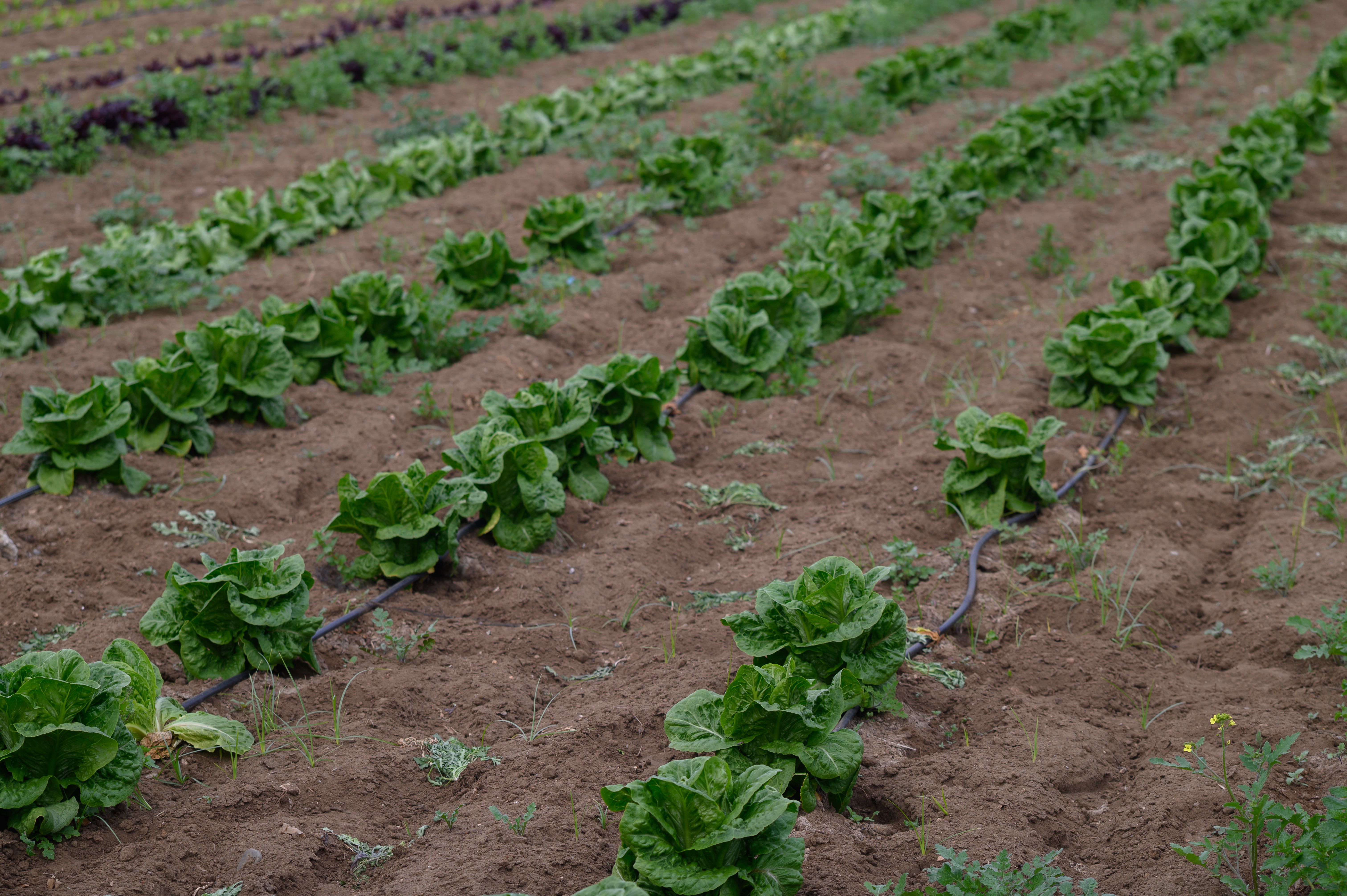
As the dry season approaches, focus on conserving water. Implement techniques such as mulching, which helps retain soil moisture by reducing evaporation. Drip irrigation systems are also effective, allowing for efficient water use by targeting plant roots directly.
Crop Selection and Rotation
Choosing drought-resistant crops is vital during the dry months. Consider rotating crops to maintain soil health and reduce pest infestations. Crop rotation not only improves soil structure but also helps in managing weeds and diseases.
Monitoring and Pest Control
Seasonal changes can lead to an increase in pests and diseases. Regular monitoring of crops is essential to detect early signs of infestations. Implement integrated pest management (IPM) practices, combining biological, cultural, and chemical methods to control pests sustainably.
Utilizing Technology and Innovation
Technology can play a significant role in managing seasonal changes. Utilize weather forecasting tools to plan farming activities effectively. Drones and satellite imagery can provide valuable insights into crop health and soil conditions, allowing for timely interventions.

Conclusion
Preparing your farm for seasonal changes in Limpopo requires a proactive approach. By understanding the region's climate, employing effective water management, selecting appropriate crops, and utilizing technology, you can enhance your farm's resilience and productivity. Taking these steps ensures that you are well-prepared to face the challenges and seize the opportunities each season brings.