Lantana vs. Local Flora: Understanding the Impact and Solutions


Understanding Lantana and Its Characteristics
Lantana is a popular ornamental plant known for its vibrant flowers and ability to thrive in various climates. However, its resilience and adaptability often lead to unintended consequences when it spreads beyond garden boundaries. This plant can outcompete native flora, disrupting local ecosystems and biodiversity.
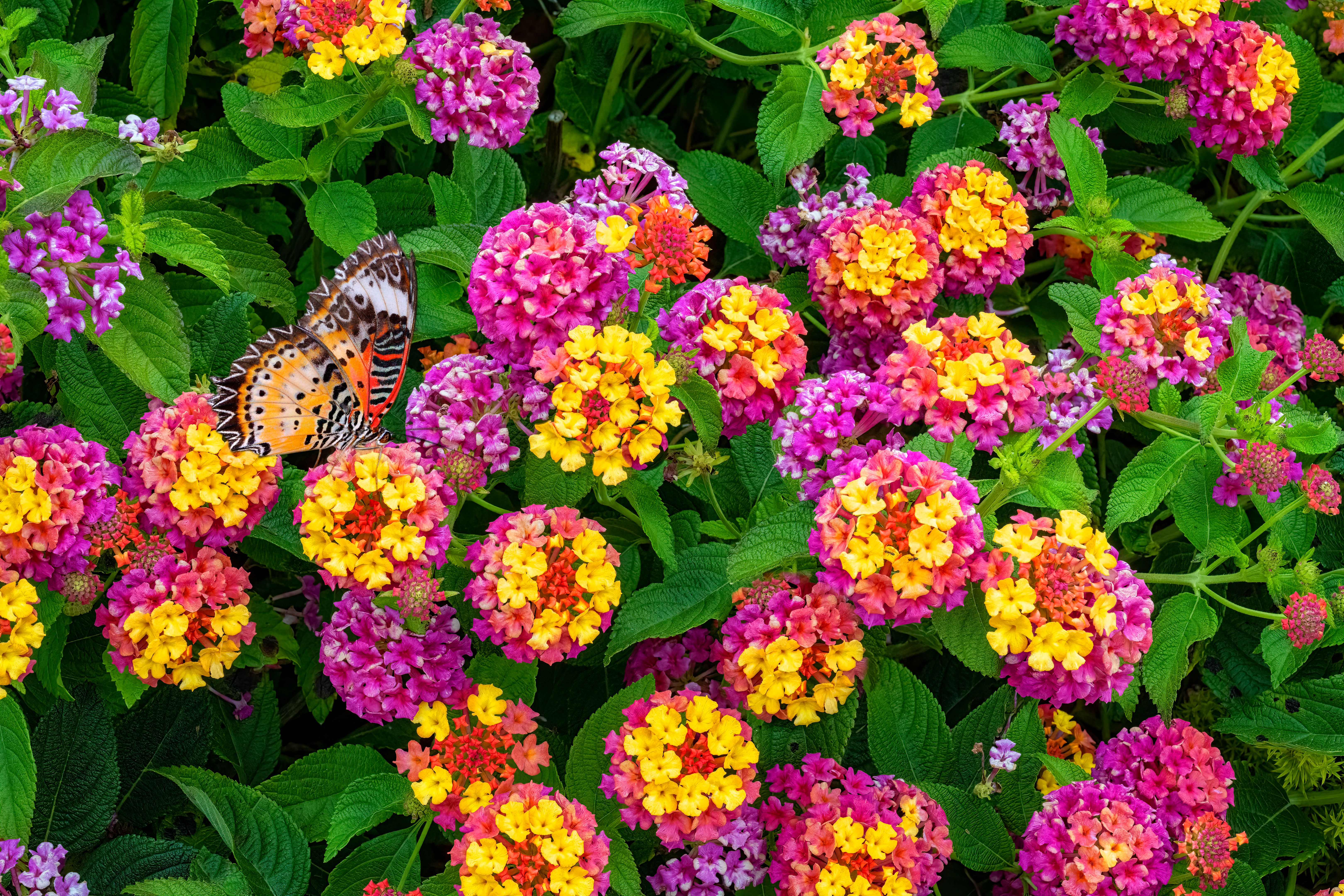
Originally from tropical regions of the Americas, Lantana has spread globally, becoming invasive in many areas. Its ability to grow rapidly and produce abundant seeds makes it a formidable competitor to native plants. Understanding Lantana's characteristics is crucial to managing its impact on local ecosystems.
The Impact of Lantana on Local Flora
Lantana's invasive nature poses a significant threat to local plant species. It can dominate landscapes, overshadowing native flora and altering habitats. This not only affects plant biodiversity but also impacts the wildlife that depends on indigenous plants for food and shelter.
In ecosystems where Lantana becomes prevalent, the balance is often tipped, leading to reduced diversity. Native plants struggle to compete for sunlight, water, and nutrients, leading to their decline. This can have cascading effects on the entire ecosystem.

Effects on Wildlife
The displacement of native plants by Lantana also affects local wildlife. Many animals rely on specific plants for nutrition and habitat. When these plants are overrun, the food chain can be disrupted, leading to declines in wildlife populations.
Solutions for Managing Lantana
Addressing the Lantana problem requires a comprehensive approach that includes prevention, control, and restoration efforts. Here are some strategies to manage and mitigate its impact:
- Prevention: Avoid planting Lantana in areas where it can easily spread. Opt for native or non-invasive alternatives to enhance biodiversity.
- Control: Regular monitoring and removal of Lantana can help prevent its spread. Mechanical removal, herbicides, or biological controls like introducing natural predators can be effective.
- Restoration: Replanting native species in areas cleared of Lantana can help restore the natural balance and support local wildlife.
Community Involvement
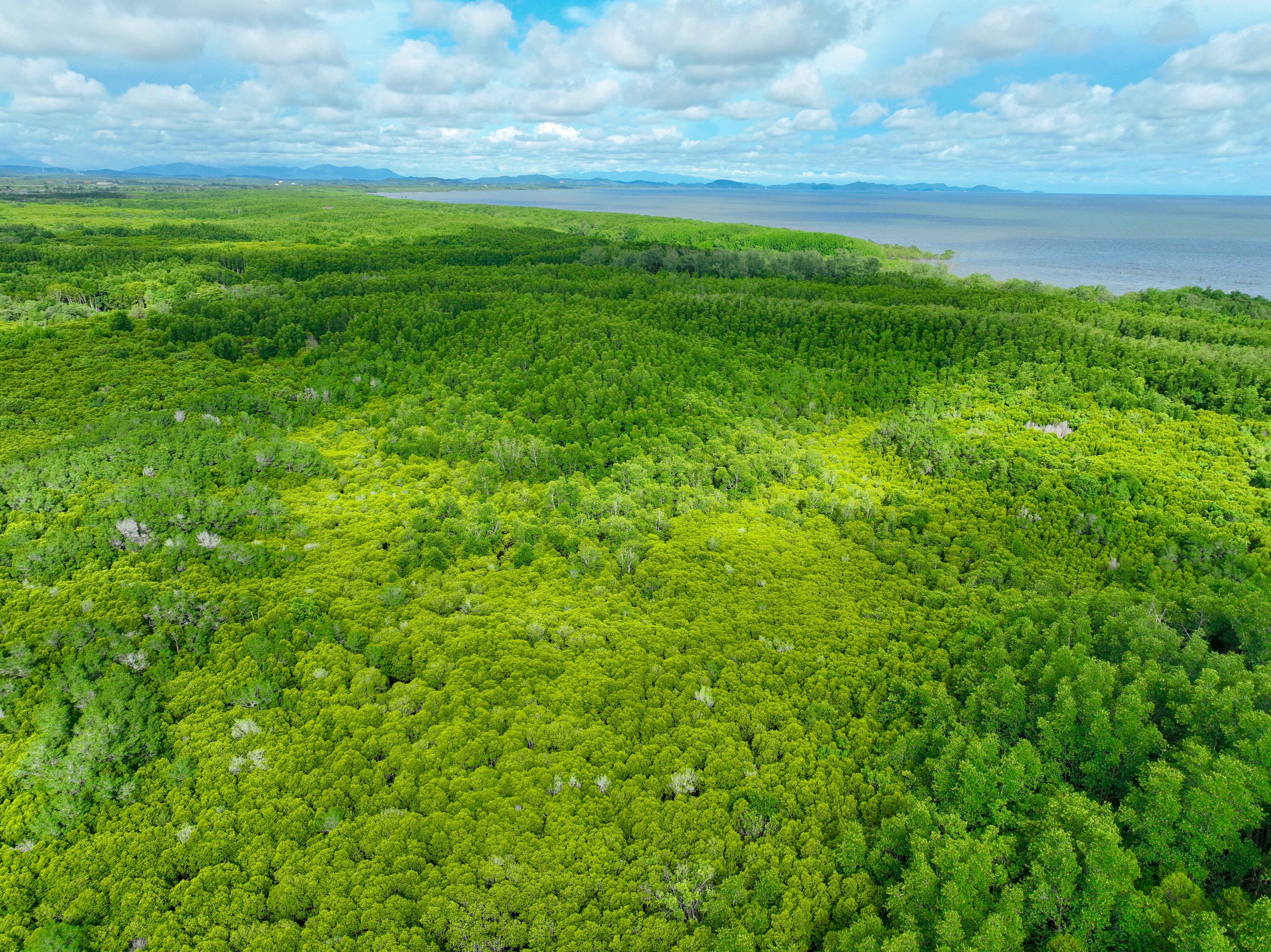
Community awareness and involvement are crucial for successful management. Educating the public about the impacts of Lantana and encouraging participation in removal programs can make a significant difference. Volunteer groups and local authorities often organize clean-up events and educational workshops.
Conclusion
While Lantana's vibrant blooms may be visually appealing, its impact on local flora and ecosystems can be devastating. Understanding its characteristics and implementing effective management strategies are essential in preserving biodiversity. By choosing native plants and participating in community efforts, we can mitigate the negative effects of Lantana and protect our local environments.