Latest Trends in Sustainable Agriculture Chemicals in South Africa


Introduction to Sustainable Agriculture Chemicals
In recent years, the agricultural sector in South Africa has witnessed a significant shift towards sustainability, focusing on minimizing environmental impact while maximizing productivity. One of the key areas of innovation is in sustainable agriculture chemicals, which promise to enhance crop yields without compromising ecological health. This trend reflects a growing global movement towards eco-friendly farming practices.
Biopesticides: A Natural Alternative
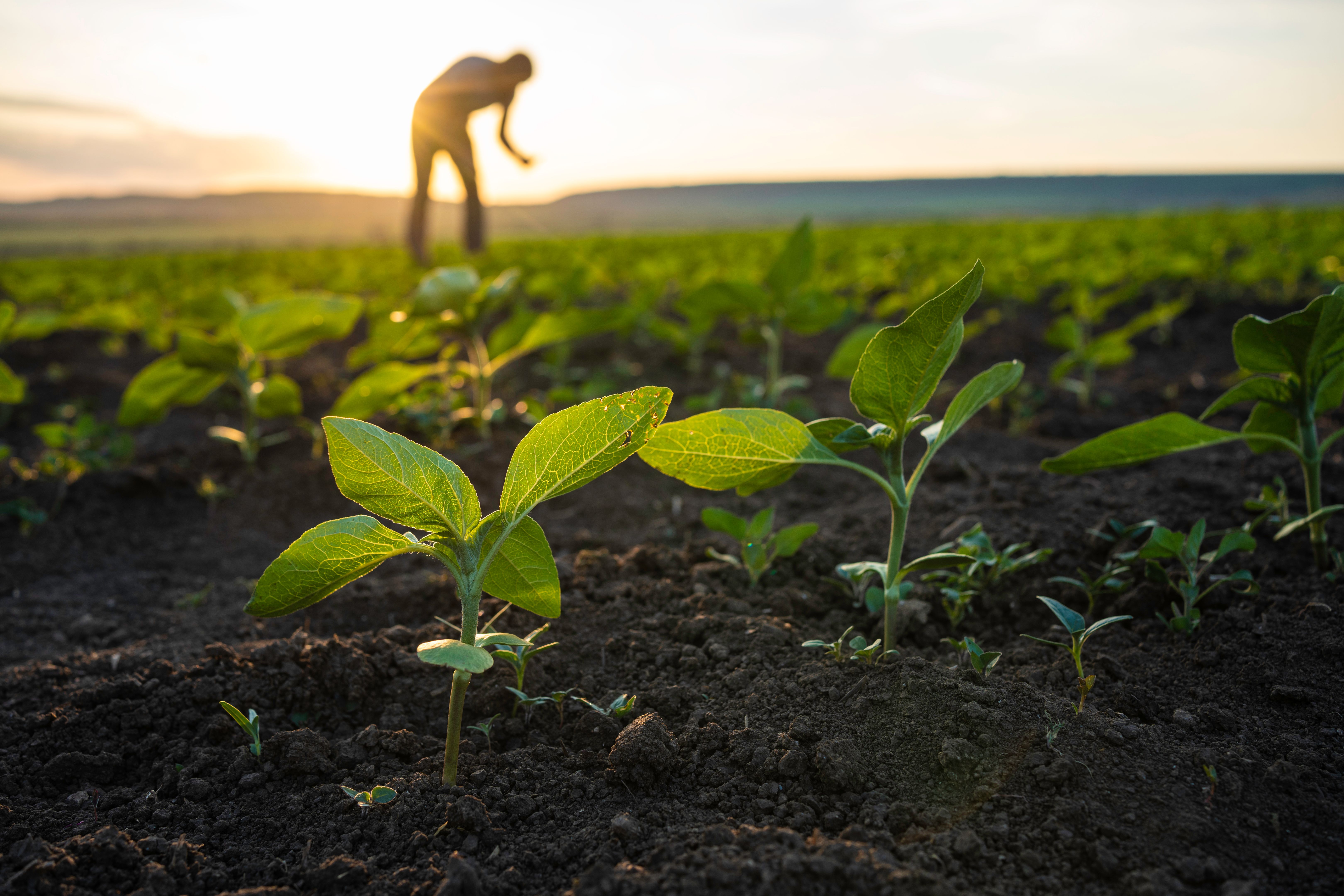
Biopesticides are becoming increasingly popular as a sustainable alternative to traditional chemical pesticides. They are derived from natural materials such as plants, bacteria, and certain minerals. These products are designed to target specific pests, reducing the risk of harming non-target species and beneficial insects. South African farmers are embracing biopesticides to maintain ecological balance while effectively managing pest populations.
The use of biopesticides is encouraged by various governmental and non-governmental organizations, which offer support and resources to farmers transitioning to these sustainable options. The availability of locally-produced biopesticides further promotes their adoption across the country.

Organic Fertilizers: Enhancing Soil Health
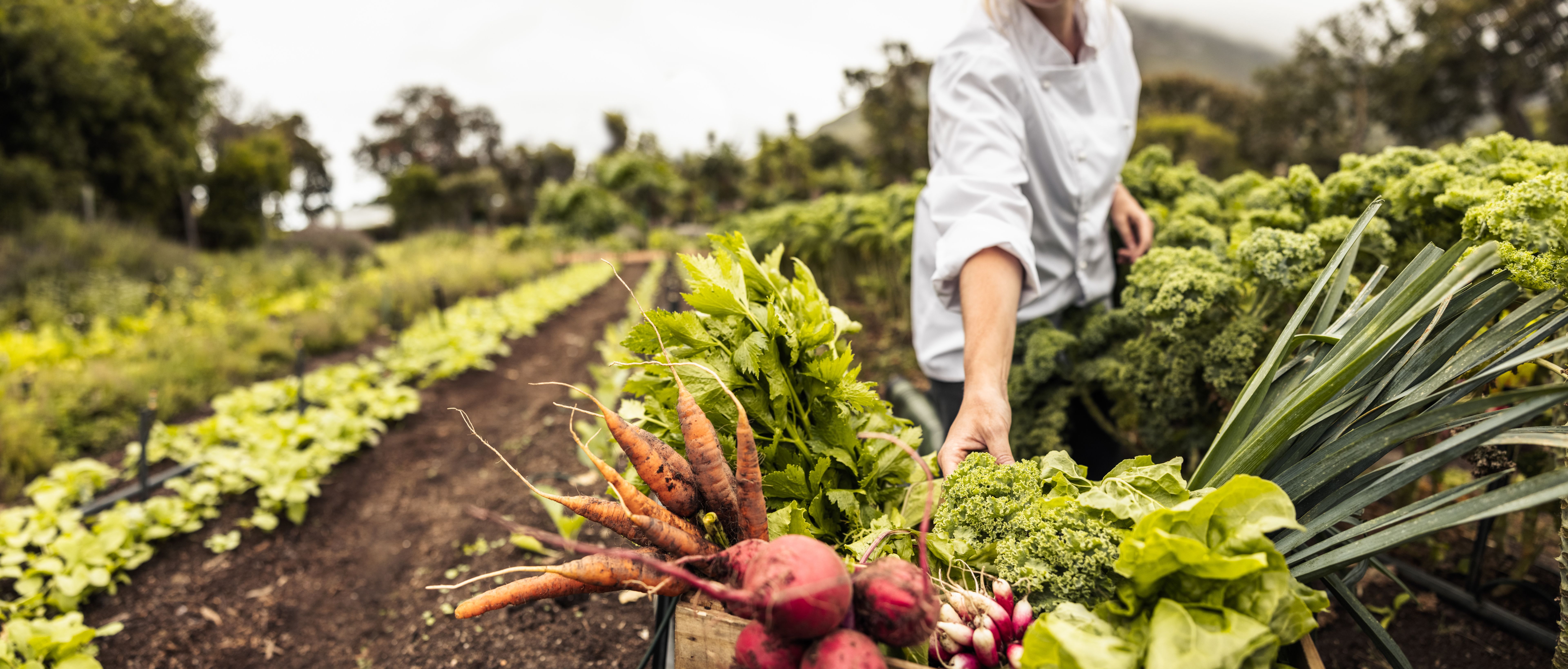
Another trend gaining traction is the use of organic fertilizers. These fertilizers are made from natural sources such as compost, animal manure, and bone meal. They help improve soil structure, enhance microbial activity, and increase nutrient availability, which contributes to healthier crops and sustainable farming practices. South African farmers are increasingly adopting organic fertilizers to maintain soil fertility and reduce chemical runoff into waterways.
The production of organic fertilizers is also being supported by local businesses, providing farmers with accessible and cost-effective options. This shift not only benefits the environment but also supports the local economy.
Precision Agriculture: Optimizing Chemical Use
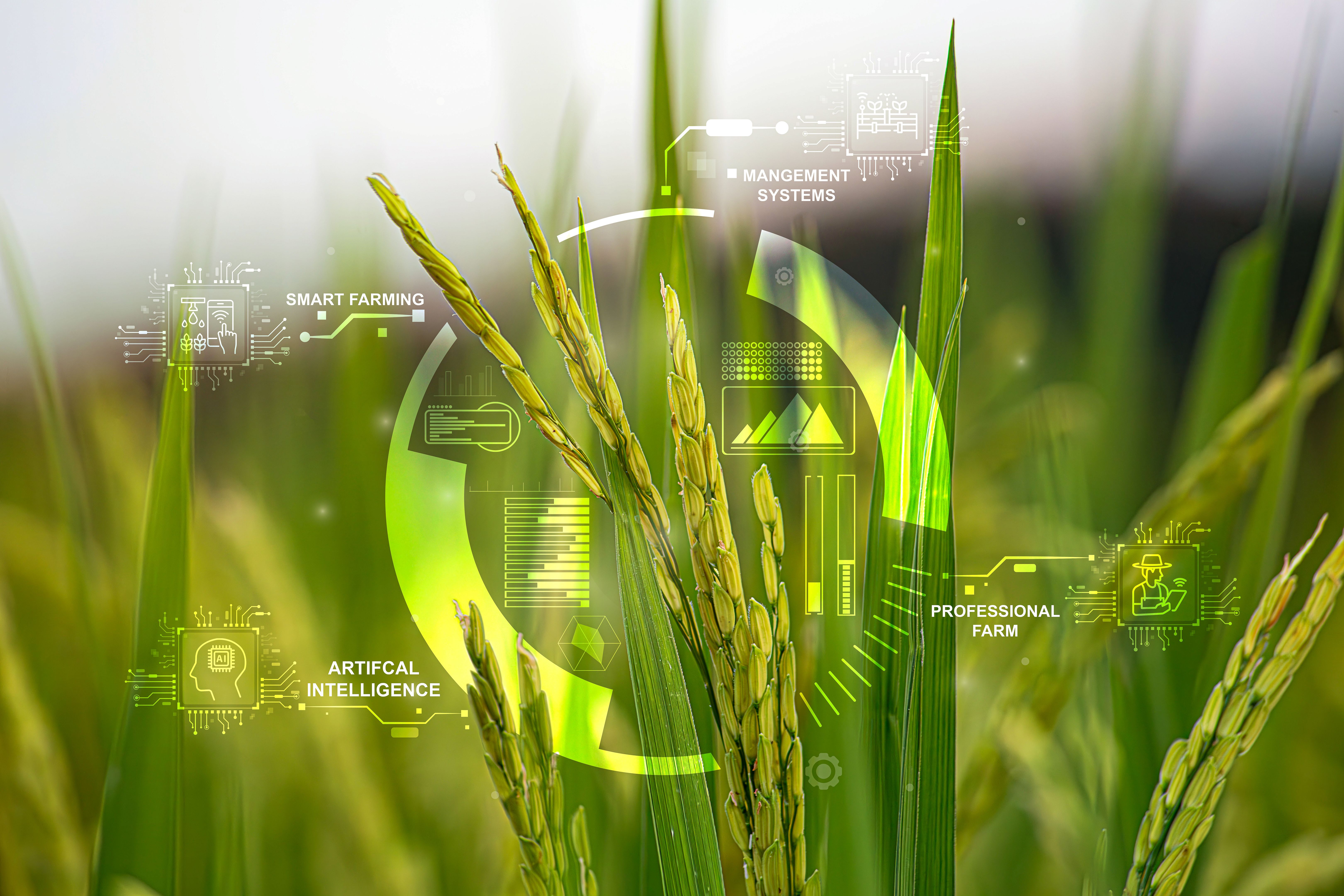
Precision agriculture is revolutionizing farming in South Africa by enabling farmers to apply chemicals more efficiently and sustainably. This approach uses technology such as GPS, drones, and sensors to monitor crop health and soil conditions in real-time. By utilizing precision agriculture, farmers can apply the right amount of chemicals at the right time, minimizing waste and reducing environmental impact.
This technology-driven approach is supported by various initiatives and training programs aimed at equipping farmers with the skills needed to implement precision agriculture practices. As a result, South African agriculture is becoming more data-driven and sustainable.
Regulatory Support and Certification
To promote the use of sustainable agriculture chemicals, South African authorities have established regulations and certification programs. These initiatives ensure that products meet specific environmental and safety standards, providing assurance to farmers and consumers alike. Certification programs also help farmers market their products as environmentally friendly, opening up new opportunities in both local and international markets.
By aligning with global sustainability standards, South African agriculture is positioning itself as a leader in responsible farming practices. This alignment not only benefits the environment but also enhances the competitiveness of South African agricultural products.
Conclusion
The latest trends in sustainable agriculture chemicals in South Africa reflect a broader commitment to environmentally responsible farming. By embracing biopesticides, organic fertilizers, precision agriculture, and adhering to regulatory standards, South African farmers are paving the way for a more sustainable future. These practices not only protect the environment but also ensure the long-term viability of the agricultural sector.
As the world continues to focus on sustainability, South Africa's innovative approaches to agriculture chemicals serve as a model for other regions striving to balance productivity with ecological stewardship.