Preparing for the Growing Season: Essential Herbicide Tips for Limpopo Farmers


As the growing season approaches, farmers in Limpopo are gearing up to ensure their crops thrive. One crucial aspect of this preparation is the effective use of herbicides. Proper herbicide application can significantly impact crop yield and overall farm productivity. Here are some essential tips to guide Limpopo farmers in their herbicide use this season.
Understanding Herbicide Types
Herbicides are categorized based on their mode of action and the type of weeds they target. It's important to choose the right herbicide for your specific needs. Broad-spectrum herbicides target a wide variety of weeds, while selective herbicides are designed for specific weed types. Understanding these differences can help farmers make informed decisions.
Pre-Emergent vs. Post-Emergent Herbicides
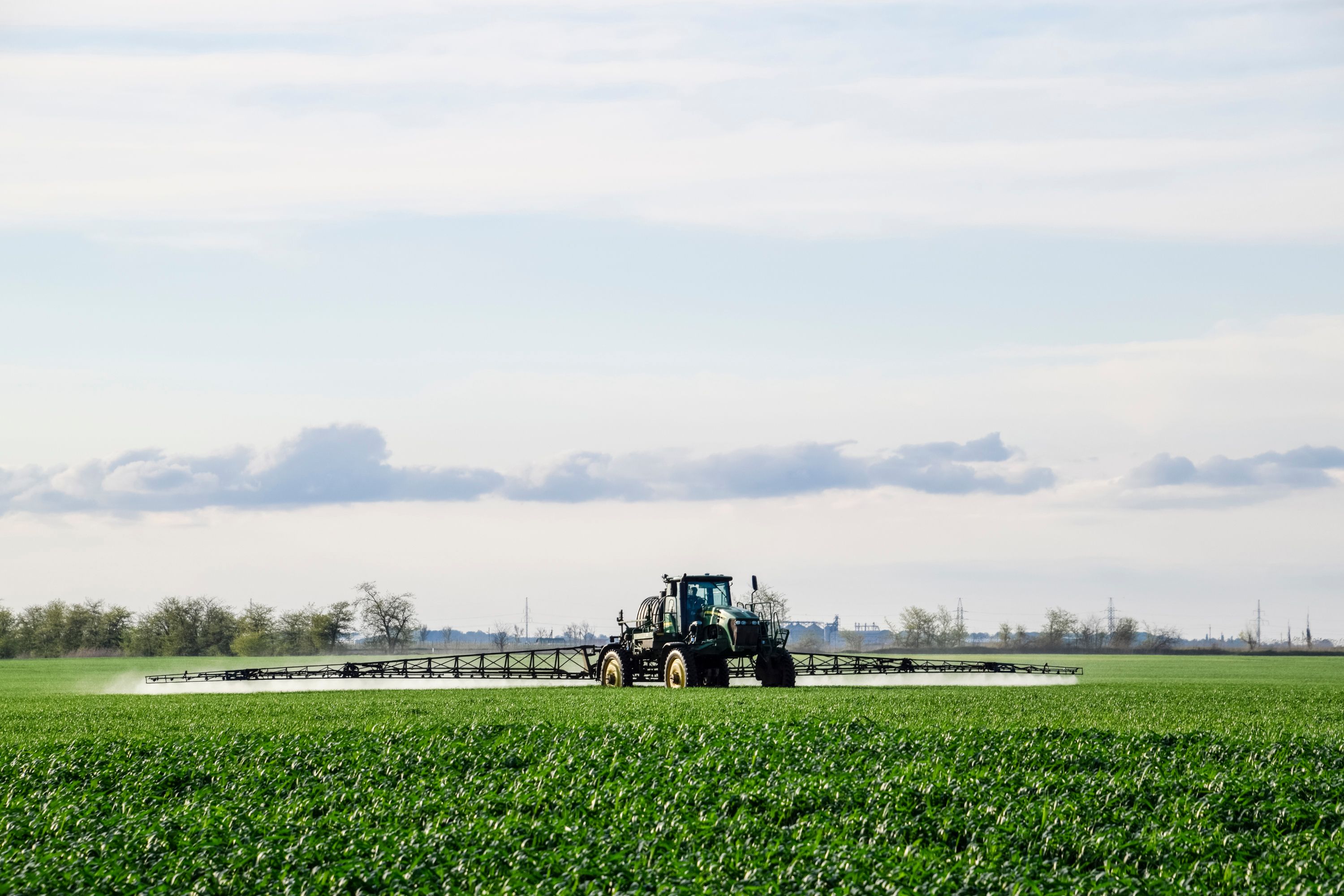
Pre-emergent herbicides are applied before weed seeds germinate, providing a protective barrier. Post-emergent herbicides, on the other hand, are used after weeds have already emerged. Knowing when to use each type is key. For instance, pre-emergent herbicides are ideal for preventing early weed growth, while post-emergent options are useful for controlling weeds that have already sprouted.
Application Timing
The timing of herbicide application is crucial for effectiveness. Farmers should consider factors such as weather conditions and weed growth stages. Applying herbicides during calm weather conditions minimizes drift and ensures the product reaches the target area. Additionally, targeting weeds at the right growth stage can enhance herbicide efficacy.
Weather Considerations
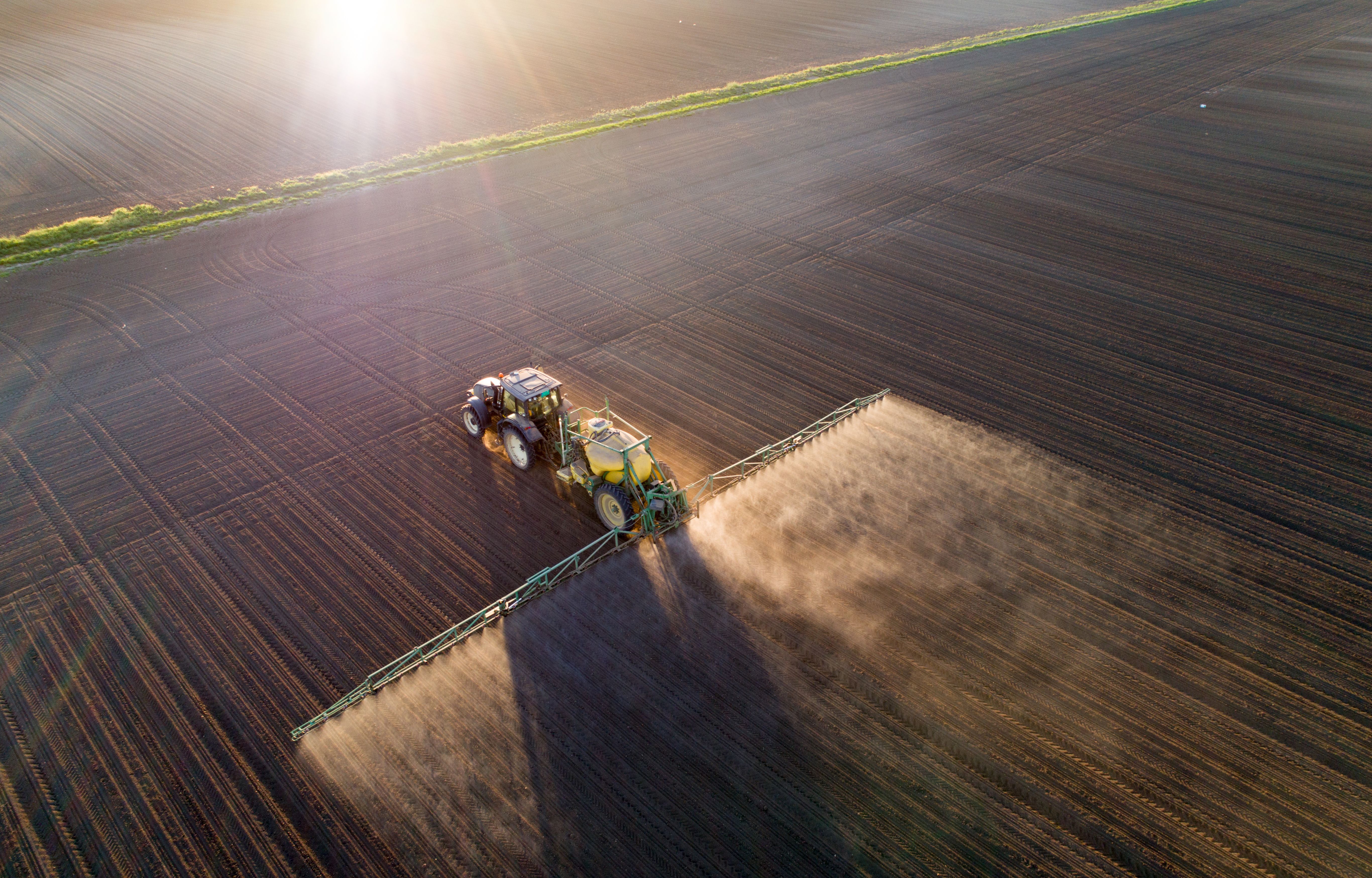
Weather plays a significant role in herbicide application. Avoid spraying during windy conditions to prevent herbicide drift, which can damage non-target plants. Also, consider temperature and humidity levels, as they can influence herbicide absorption and effectiveness. Following these guidelines can help optimize herbicide performance.
Safety Measures
Ensuring safety during herbicide use is paramount. Always wear appropriate protective gear, such as gloves, masks, and goggles, to minimize exposure. It's also important to follow the manufacturer's instructions regarding dosage and application techniques. These precautions help protect both the farmer and the environment.

Environmental Impact
Farmers should be mindful of the environmental impact of herbicide use. Using eco-friendly herbicides and adopting integrated weed management practices can reduce the ecological footprint. Consider alternating herbicides and incorporating non-chemical methods, like crop rotation and mechanical weeding, to promote sustainable farming.
Record Keeping
Maintaining detailed records of herbicide use is beneficial for several reasons. It helps track the effectiveness of different products and application techniques. Additionally, it ensures compliance with agricultural regulations. Keeping records can also aid in planning future weed management strategies, driving continuous improvement on the farm.
By following these essential herbicide tips, Limpopo farmers can prepare effectively for the growing season. Proper herbicide use not only contributes to healthy crops but also supports sustainable and profitable farming practices.