Preparing Your Farm for Seasonal Changes: Essential Herbicide Application Tips


Understanding Seasonal Changes on the Farm
As each season transitions, farmers face a range of challenges that can affect crop health and productivity. Understanding these seasonal changes is crucial for effective farm management. Whether it's the thaw of spring or the frost of autumn, each period requires specific actions to prepare and protect your crops.
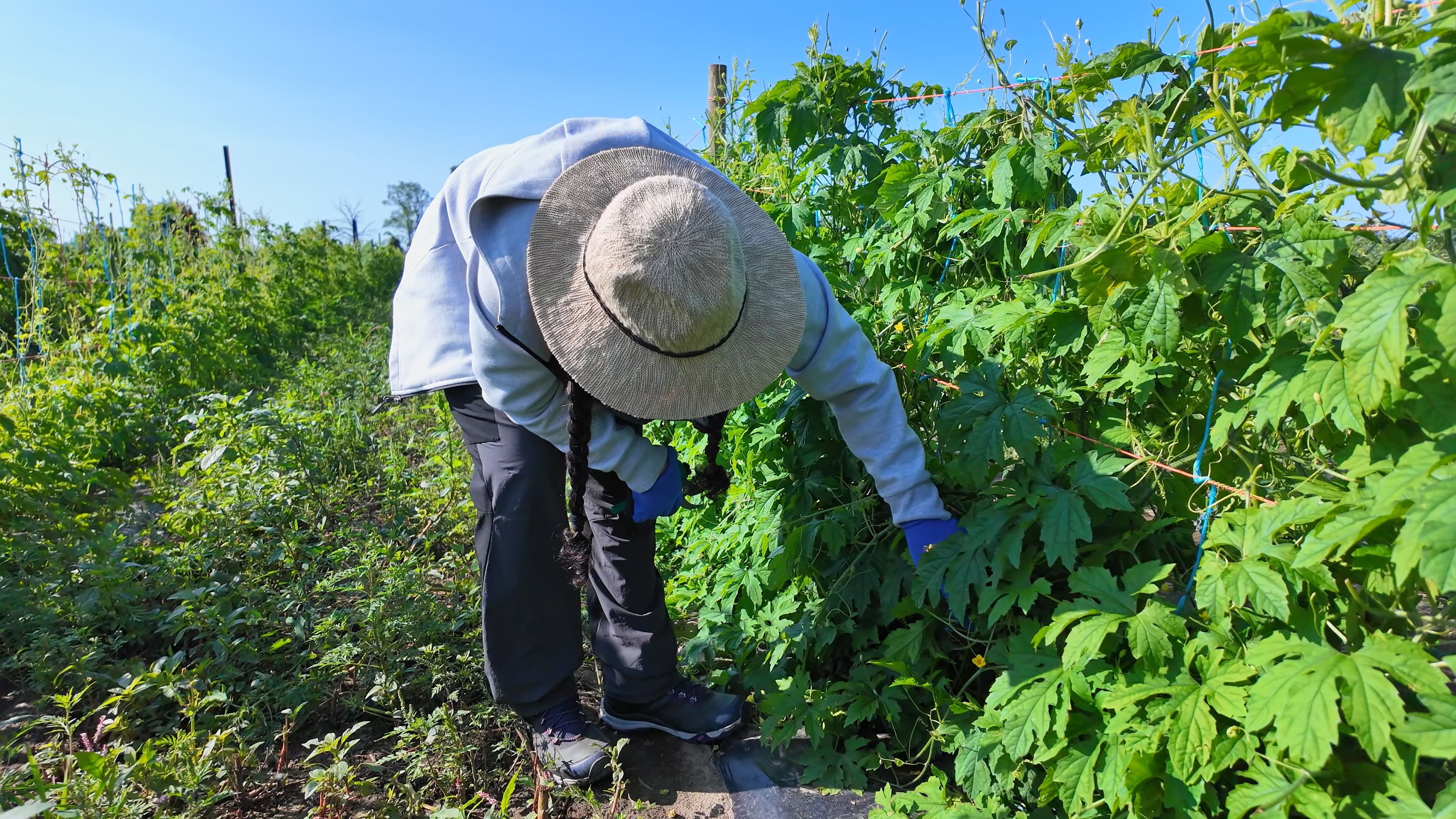
The Role of Herbicides in Farm Management
Herbicides play a vital role in managing weeds that compete with crops for nutrients, light, and water. Applying herbicides correctly can significantly enhance crop yield and quality. However, timing and technique are key to maximizing their effectiveness.
Timing Your Herbicide Application
Applying herbicides at the right time is essential. For spring crops, early application can prevent weed competition from the start. In contrast, for fall-planted crops, applying herbicides just before the first frost ensures that weeds are controlled as they begin to die back naturally.
Choosing the Right Herbicide
Selecting the appropriate herbicide involves considering the types of weeds prevalent in your area and the specific needs of your crops. It's important to read labels carefully and follow the manufacturer's instructions to avoid damage to your plants.
- Identify the prevalent weed species.
- Consider crop sensitivity to herbicide.
- Review weather forecasts to choose optimal application days.
Application Techniques
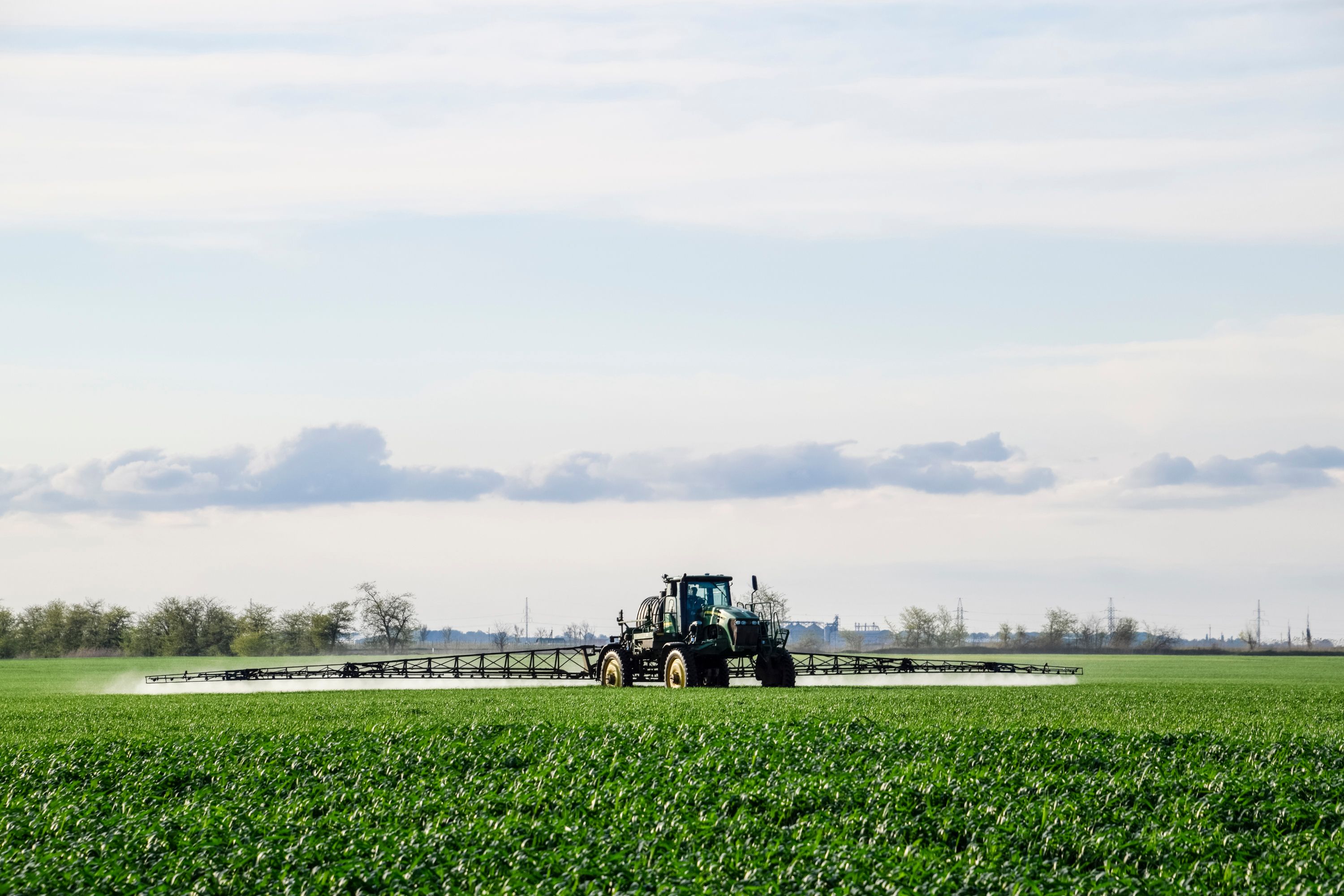
Proper application techniques are crucial for herbicide effectiveness. Use calibrated equipment to ensure even distribution and avoid applying on windy days to reduce drift. Additionally, maintaining a consistent walking speed during application can help ensure uniform coverage.
Environmental Considerations
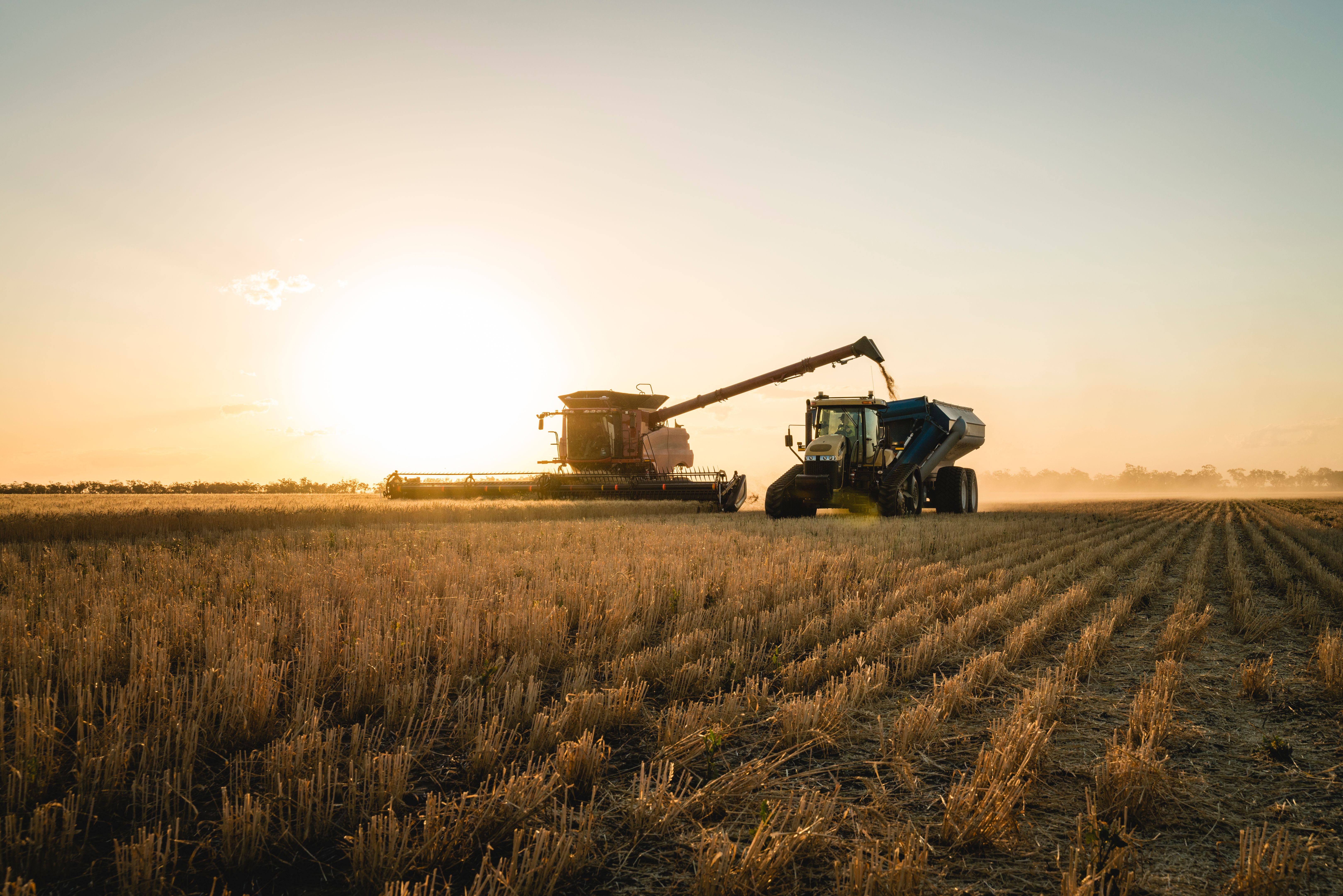
Protecting the environment is an integral part of responsible farming. Always follow best practices for herbicide disposal and consider using environmentally friendly options when possible. Buffer zones can also help protect surrounding ecosystems from unintended herbicide exposure.
Monitoring and Adjusting Practices
After application, monitor your fields regularly to assess the effectiveness of the herbicides. Be prepared to adjust your approach based on the results and any new weed growth. This proactive monitoring helps maintain crop health throughout the season.

Staying Informed
Keeping abreast of the latest research and recommendations on herbicide use can give you a competitive edge. Attend workshops, read agricultural publications, and consult with local extension services to stay informed about the best practices for your farm.
By understanding the nuances of herbicide application and adapting to seasonal changes, farmers can protect their crops and ensure a bountiful harvest. Implementing these strategies will not only enhance productivity but also contribute to sustainable farming practices.