Seasonal Preparation: Best Times to Apply Pesticides in Limpopo


Understanding the Climate of Limpopo
Limpopo, located in the northernmost part of South Africa, is characterized by its subtropical climate. This region experiences hot, humid summers and mild, dry winters. Understanding these climatic patterns is crucial when planning for pesticide application. The timing can significantly affect the efficacy of pest control efforts, ensuring that crops are protected throughout the growing season.

The rainy season in Limpopo typically occurs from October to March, with a peak in mid-summer. This period of increased humidity and warmth provides a conducive environment for pest proliferation. Therefore, strategic planning for pesticide application during these months can mitigate potential infestations.
Optimal Timing for Pesticide Application
Timing is crucial when applying pesticides to ensure maximum effectiveness. Here are some guidelines to consider:
- Pre-Planting: Applying pesticides before planting can help eliminate pests that are already present in the soil.
- Early Growth Stage: During the early growth stages, pests can cause significant damage. Applying pesticides at this time can protect young plants.
- Peak Pest Activity: Monitor pest populations and apply pesticides when they reach peak activity to reduce their impact.
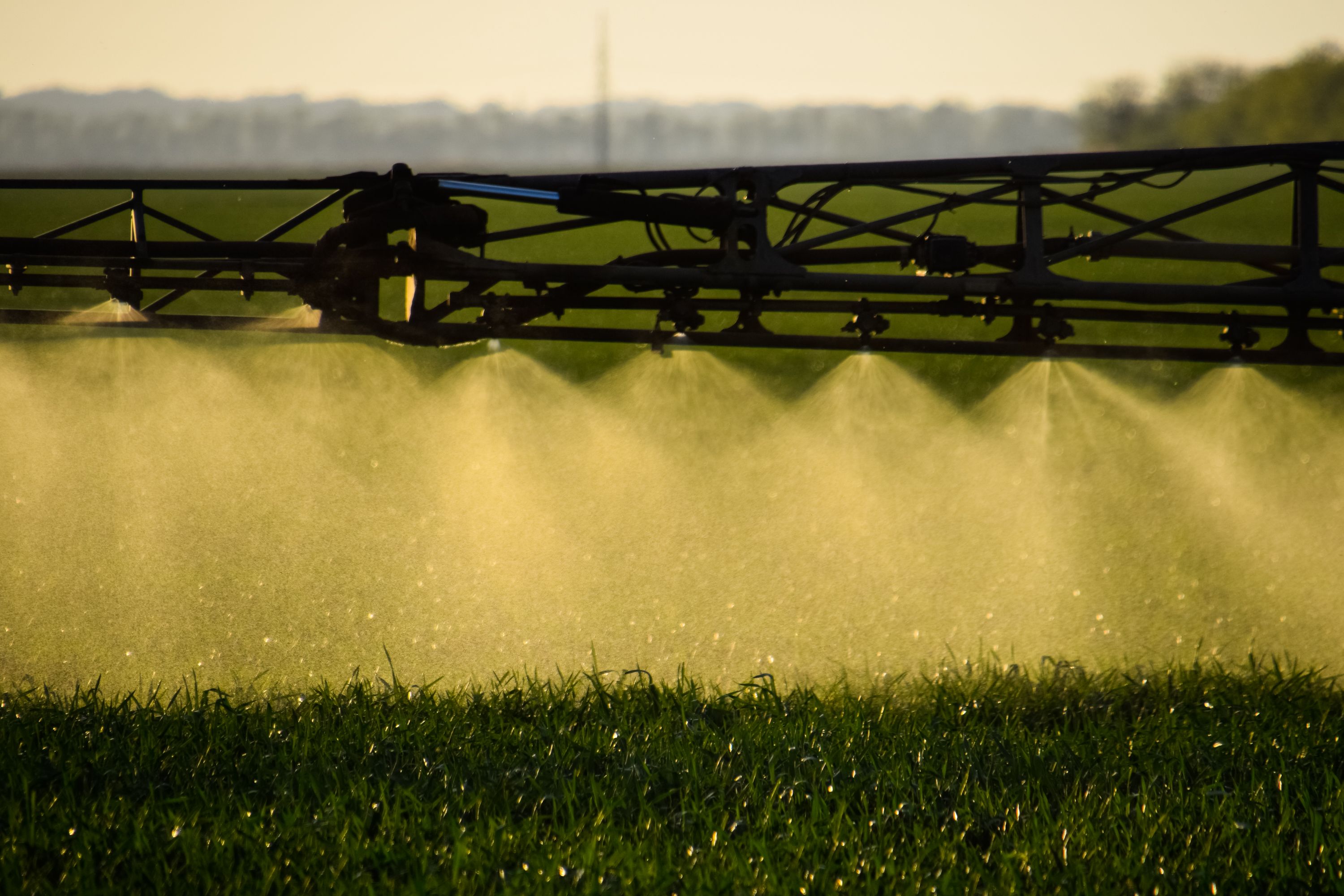
By carefully timing pesticide application, farmers can reduce the need for repeated treatments, which is both cost-effective and environmentally sustainable.
Consideration of Pest Lifecycle
Understanding the lifecycle of common pests in Limpopo is essential for effective pest management. Many pests have specific times during their lifecycle when they are most vulnerable to pesticides. Targeting these stages can improve control measures.
- Egg Stage: Some pesticides are most effective when applied to the eggs of pests, preventing them from hatching.
- Larval/Nymph Stage: During these stages, pests are often more susceptible to treatments.
- Adult Stage: While more resilient, targeting adults can help prevent the reproduction and spread of pests.
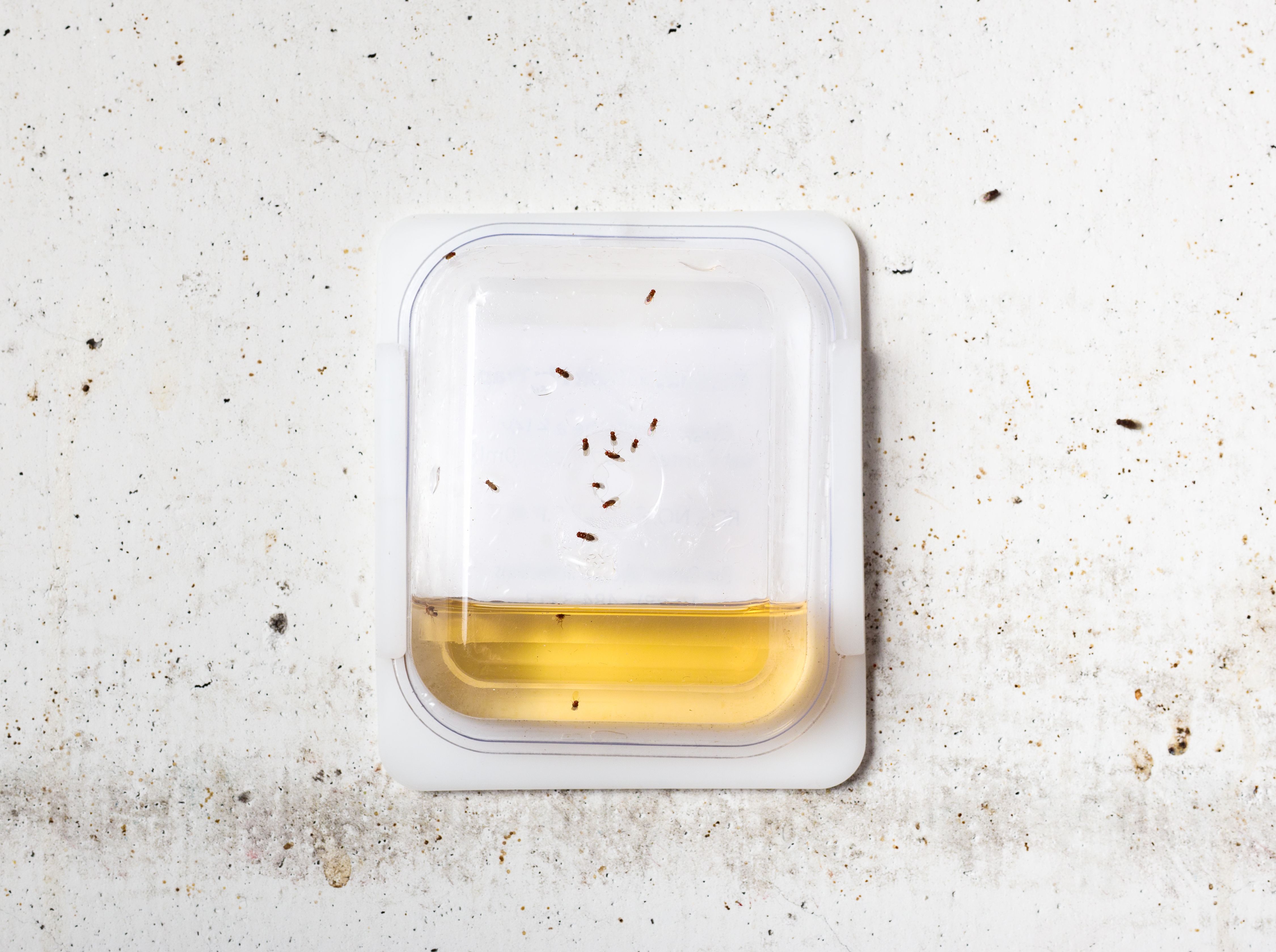
Farmers are encouraged to stay informed about the specific pests affecting their crops and adjust their pesticide application schedules accordingly.
Environmental and Safety Considerations
When applying pesticides, it is important to consider environmental safety. Choose pesticides that are environmentally friendly and ensure they are applied in a manner that minimizes harm to beneficial insects and surrounding ecosystems.
Always follow the manufacturer's guidelines for safe application, and consider using protective gear to prevent exposure. Proper storage and disposal of pesticides are also critical to ensure safety for both humans and animals.

By adhering to these guidelines, farmers in Limpopo can effectively manage pests while promoting sustainable agricultural practices.