Seasonal Weed Control Strategies for Limpopo’s Diverse Landscape


Understanding Limpopo’s Unique Climate
Limpopo, known for its rich biodiversity and varying landscapes, presents a unique challenge for effective weed control. The region's climate, which ranges from subtropical in the east to semi-arid in the west, influences the types of weeds that thrive and the strategies required to manage them. Understanding these climatic conditions is crucial for developing effective seasonal weed control strategies.
The seasonal variations, characterized by wet summers and dry winters, dictate weed growth patterns. During the rainy season, weeds can grow rapidly, making it essential for landowners and farmers to adopt proactive control measures.
Spring and Summer Weed Control
Spring and summer in Limpopo are marked by increased rainfall, which unfortunately provides ideal conditions for weed proliferation. During these months, it is important to focus on preventive measures to stop weed germination and spread.
Key strategies during this period include:
- Pre-emergent herbicides: Apply these before the rainy season to prevent weed seeds from germinating.
- Regular mowing and cutting: Keep weeds from seeding by maintaining a regular mowing schedule.
- Mulching: Use organic or synthetic mulch to suppress weed growth by blocking sunlight.
Autumn and Winter Approaches
As the rainy season subsides, autumn and winter bring drier conditions. This is the ideal time to focus on eradicating established weeds and preparing for the next growth cycle. Targeting weeds during these months can significantly reduce their impact in the following seasons.
Consider the following strategies:
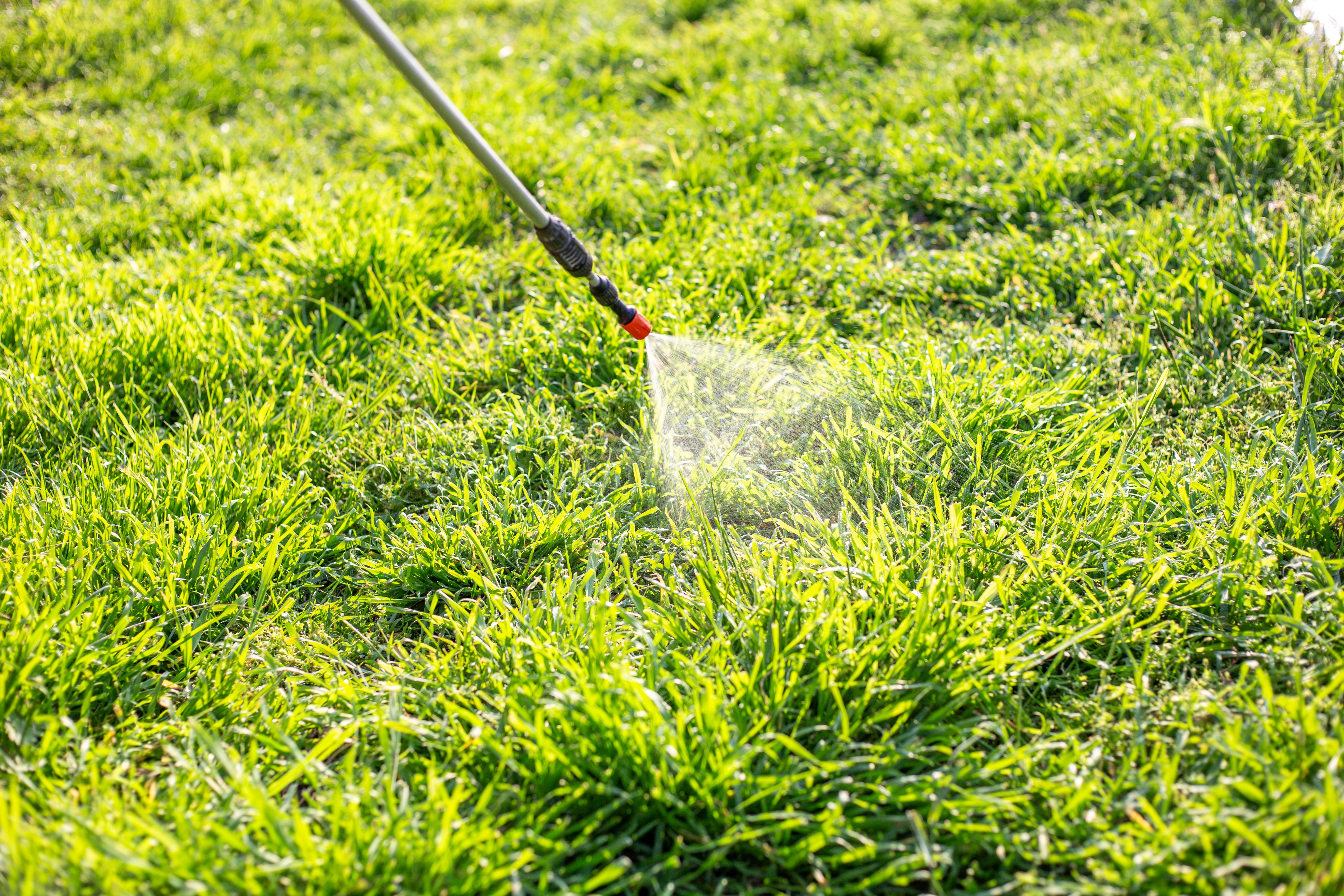
- Post-emergent herbicides: Use these on established weeds that survived the summer.
- Mechanical removal: Manually remove larger weeds to prevent them from regrowing.
- Soil management: Improve soil health by adding organic matter, which can naturally suppress weed growth.

Integrated Weed Management
Combining different weed control methods can offer the most effective solution. Integrated weed management (IWM) involves using a combination of chemical, mechanical, and cultural practices tailored to the specific needs of Limpopo’s diverse landscapes.
Effective IWM strategies include:
- Crop rotation: Alter planting patterns to disrupt the life cycle of weeds.
- Cover crops: Plant cover crops that outcompete weeds for nutrients and sunlight.
- Biological control: Introduce natural predators or pathogens specific to problematic weed species.
Long-term Planning and Monitoring
Consistent monitoring and planning are essential for adapting to changing weed dynamics and climate conditions. Regularly assess weed populations and adapt strategies as necessary, ensuring that control measures remain effective over time.
Utilizing technology, such as remote sensing and GIS mapping, can provide valuable insights into weed distribution and help in making informed decisions.
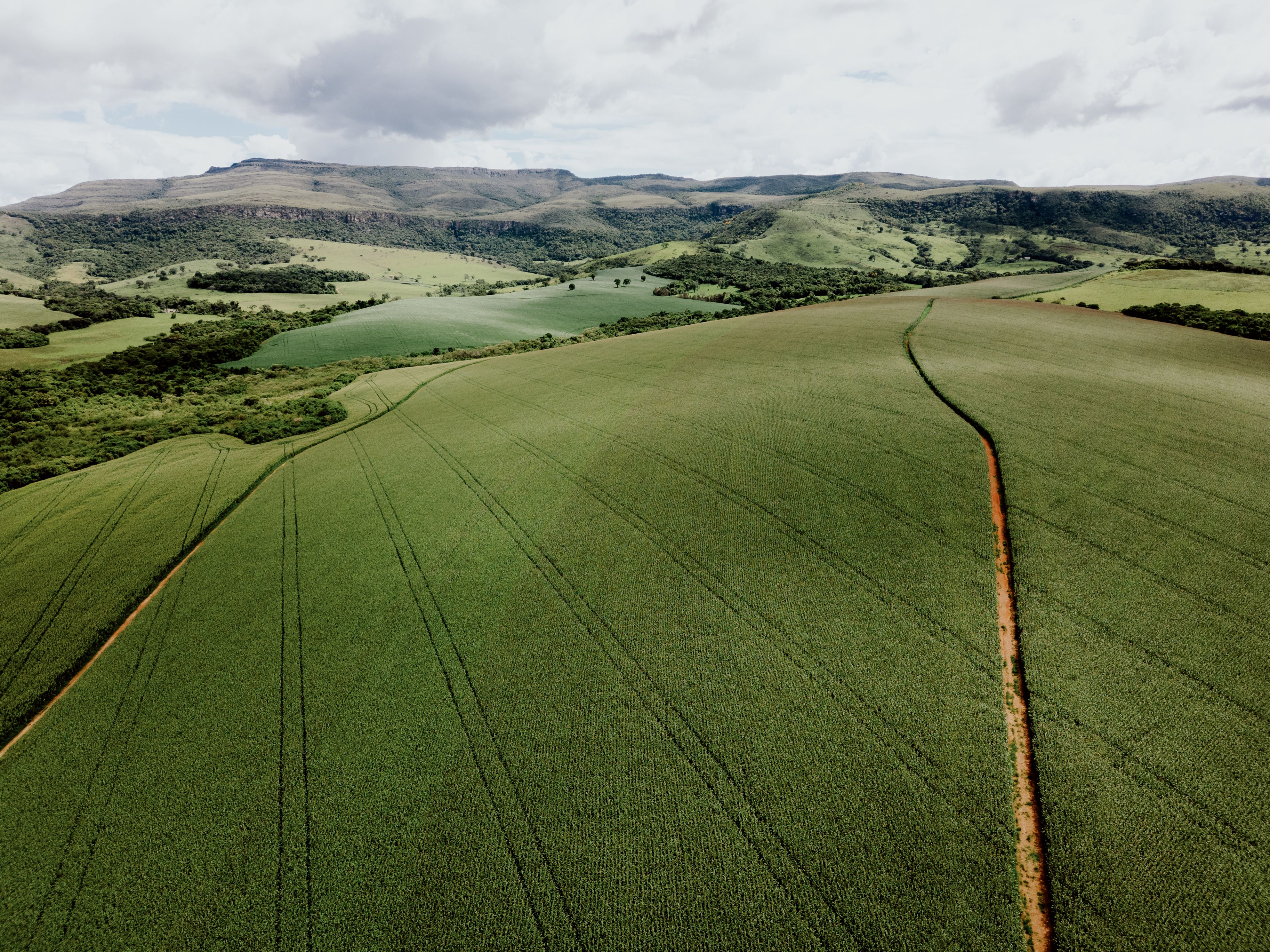
In conclusion, managing weeds in Limpopo requires a comprehensive understanding of the region's climate and landscape. By implementing seasonal strategies and integrating various control measures, landowners can effectively manage weed populations and protect their crops and natural habitats.