Success Stories: Effective Use of Invasive Bush Chemicals in Limpopo


In the lush landscapes of Limpopo, invasive bush species have long posed a threat to the region's biodiversity. However, innovative use of chemicals has provided a promising solution to this persistent problem. By strategically targeting these invasive plants, local communities and environmentalists have made significant strides in preserving the natural ecosystem.
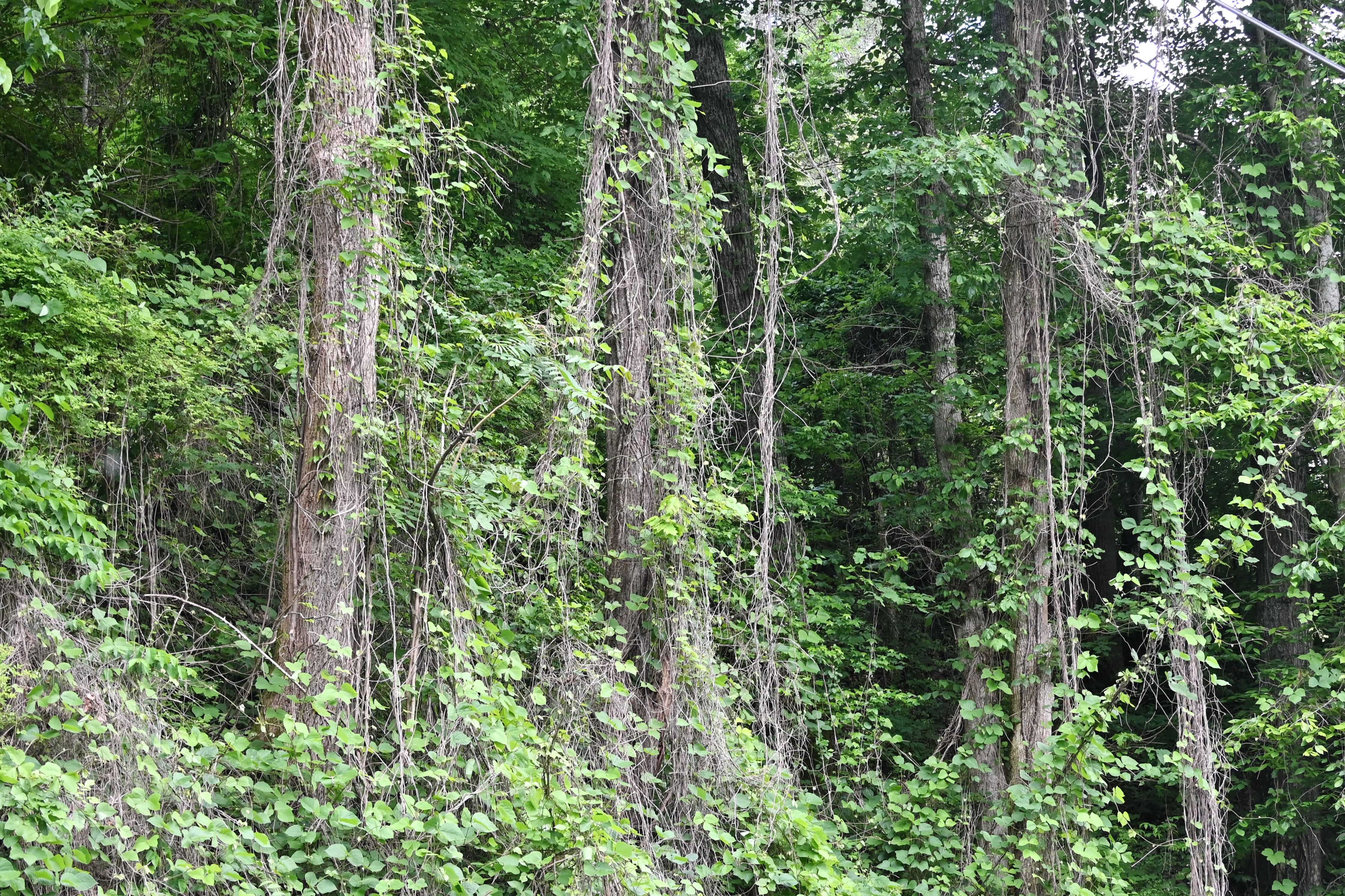
Understanding the Challenge
Invasive species like the Lantana camara and Chromolaena odorata have spread rapidly across Limpopo, outcompeting native flora and disrupting habitats. These aggressive invaders not only threaten biodiversity but also impact agriculture and water resources. Traditional methods of control, such as manual removal, have proven labor-intensive and often ineffective over large areas.
Innovative Chemical Solutions
Recent advancements in chemical treatments offer a more efficient approach. By using targeted herbicides, these invasive species can be controlled more effectively, minimizing their impact on the environment. The chemicals are designed to be selective, ensuring that native plants are unharmed while the invasive species are eradicated.

One of the key strategies involves the use of systemic herbicides that are absorbed by the plant and transported to the roots. This method ensures that the entire plant is affected, reducing the likelihood of regrowth and spread.
Community Involvement
The success of these chemical solutions relies heavily on community involvement. Local farmers and landowners are trained in the correct application techniques, ensuring that the chemicals are used safely and effectively. Workshops and educational programs have been instrumental in raising awareness about the importance of controlling invasive species.
Positive Environmental Impact
By reducing the prevalence of invasive bushes, the region has seen a resurgence of native plants and wildlife. Water resources have improved as well, with less competition for vital nutrients and water. This ecological balance supports agriculture and tourism, both crucial to Limpopo's economy.

The success stories emerging from Limpopo serve as a model for other regions facing similar challenges. The effective use of invasive bush chemicals demonstrates that when science and community efforts align, significant environmental restoration is possible.
Future Prospects
Looking ahead, continued research and development in chemical treatments will be essential. By refining these solutions, there is potential to further minimize any unintended effects on the ecosystem. Collaborative efforts between scientists, government agencies, and local communities will be crucial in sustaining these achievements.
Limpopo's journey in combating invasive species offers hope and inspiration, showcasing the power of innovation and cooperation in environmental conservation. As these methods evolve, they hold the promise of a more balanced and thriving natural world.