The Role of Invasive Bush Chemicals in Maintaining South Africa’s Ecosystems


The Importance of Invasive Bush Management
South Africa is home to a rich tapestry of biodiversity, but this is increasingly threatened by invasive species. Invasive bushes, in particular, pose significant challenges to the ecosystem. These plants, often non-native, can outcompete local vegetation, leading to a decline in biodiversity. The use of chemicals to manage these invasive species has become a critical tool in preserving South Africa's unique flora and fauna.
Invasive bushes can disrupt ecosystems by altering soil composition and water availability, which affects the native plants and animals that depend on these resources. Chemical treatments are often employed as a means to control and eradicate these invasive species, helping to restore balance within the ecosystem.

Understanding Invasive Bush Control
The application of specific chemicals can effectively reduce the spread of invasive bushes. Herbicides are commonly used, targeting the invasive species while leaving indigenous plants unharmed. This selective approach is crucial for maintaining the natural habitat and ensuring the survival of native species.
However, the use of chemicals must be carefully managed to prevent unintended harm to the environment. The proper selection and application of these treatments are essential to minimize ecological disruption. Environmental agencies and local authorities often work together to ensure that chemical use is both safe and effective.
Benefits of Chemical Treatments
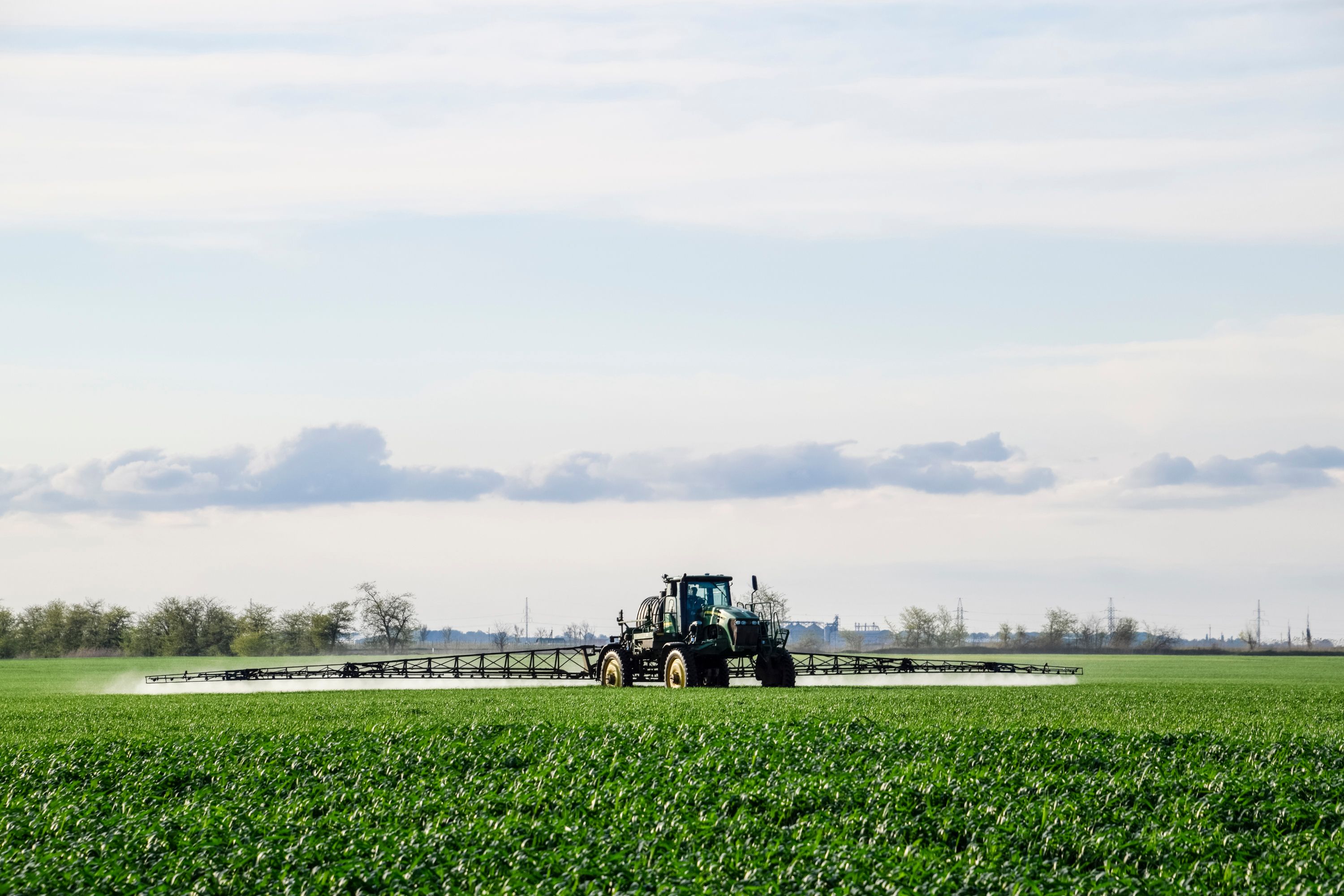
One of the primary benefits of using chemicals in invasive bush control is the rapid response capability. Chemical treatments can quickly suppress invasive populations, providing immediate relief to affected ecosystems. This is particularly important in areas where invasive species have spread rapidly and pose an imminent threat to biodiversity.
Additionally, chemical treatments are often more cost-effective compared to manual removal methods, which can be labor-intensive and time-consuming. The strategic use of chemicals allows for large-scale interventions, making it feasible to manage invasions across extensive landscapes.
Challenges and Considerations
While chemicals offer significant advantages, their use is not without challenges. Potential risks include contamination of water sources and negative impacts on non-target species. Therefore, it is essential to follow stringent guidelines and conduct thorough environmental assessments before applying any chemical treatments.
Community involvement and education are also vital components of successful invasive bush management. By raising awareness and encouraging local participation, conservation efforts can be more sustainable and effective.
Looking Ahead
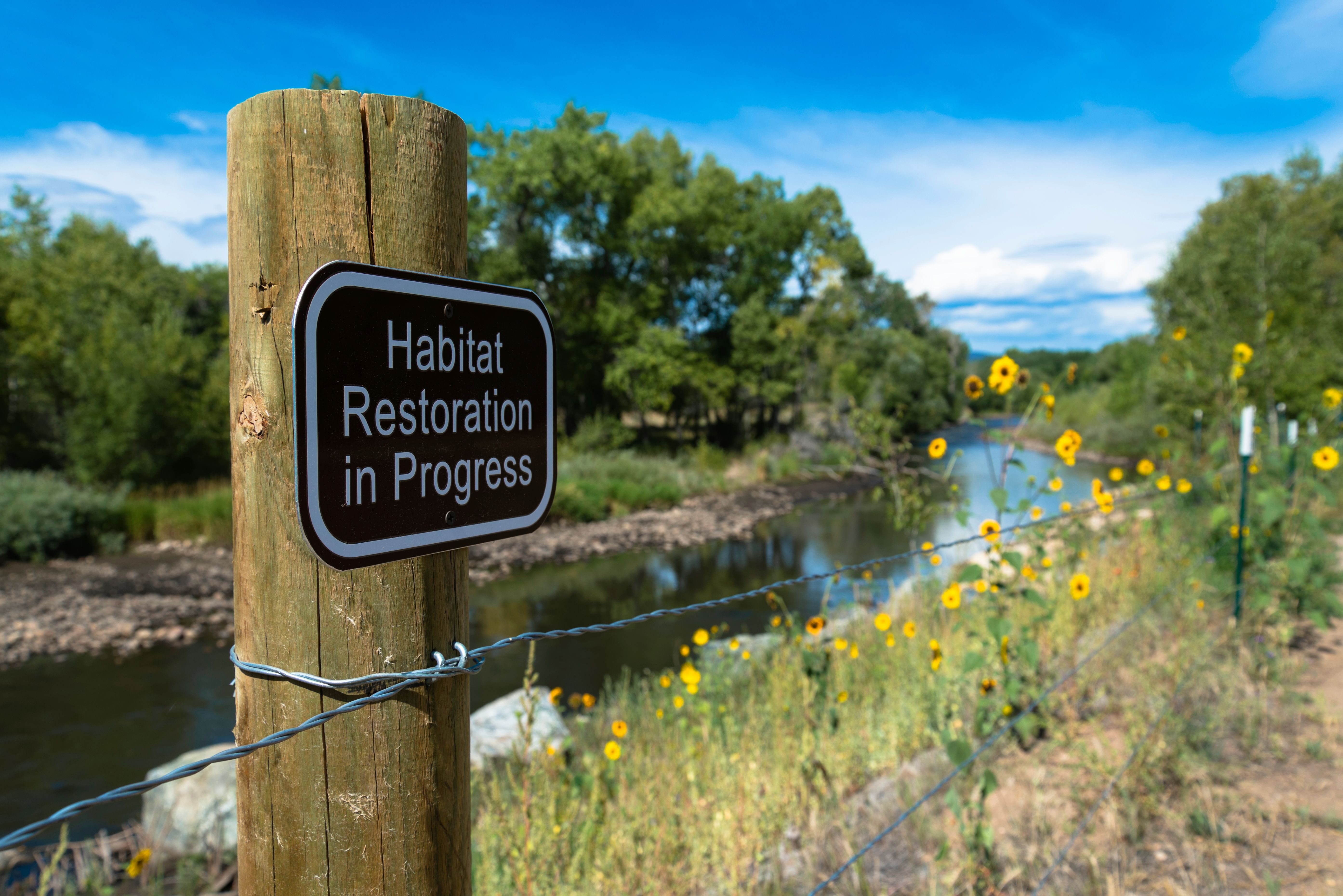
The role of invasive bush chemicals in maintaining South Africa's ecosystems is crucial, yet it requires a balanced approach. By integrating chemical treatments with other management strategies, such as biological control and habitat restoration, a holistic plan can be developed to protect South Africa's unique ecosystems.
Ultimately, the goal is to preserve the natural beauty and biodiversity of South Africa for future generations. By understanding and responsibly managing invasive species, we can help ensure the resilience and sustainability of these precious ecosystems.