The Ultimate Guide to Using Picloram for Effective Invasive Bush Control


Invasive bushes can be a persistent challenge for landowners and conservationists alike. Among the many solutions available, Picloram has emerged as a powerful herbicide for effective bush control. Understanding how to use it correctly can make a significant difference in managing unwanted vegetation.
Picloram is a selective herbicide known for its ability to target broadleaf weeds while sparing grasses. This characteristic makes it an excellent choice for controlling invasive bushes without harming desirable grass species. Its systemic action allows it to penetrate the plant and disrupt growth, ultimately leading to the plant's demise.
How Picloram Works
Picloram works by mimicking plant hormones that regulate growth. When absorbed by the plant, it causes uncontrolled growth and disrupts normal physiological functions. This leads to the plant's eventual death, making it a potent tool against stubborn invasive species.
Because Picloram is a systemic herbicide, it translocates through the plant's vascular system, reaching the roots and ensuring thorough control. This deep penetration is crucial for dealing with tough, woody bushes that are difficult to eradicate with contact herbicides.
Application Techniques
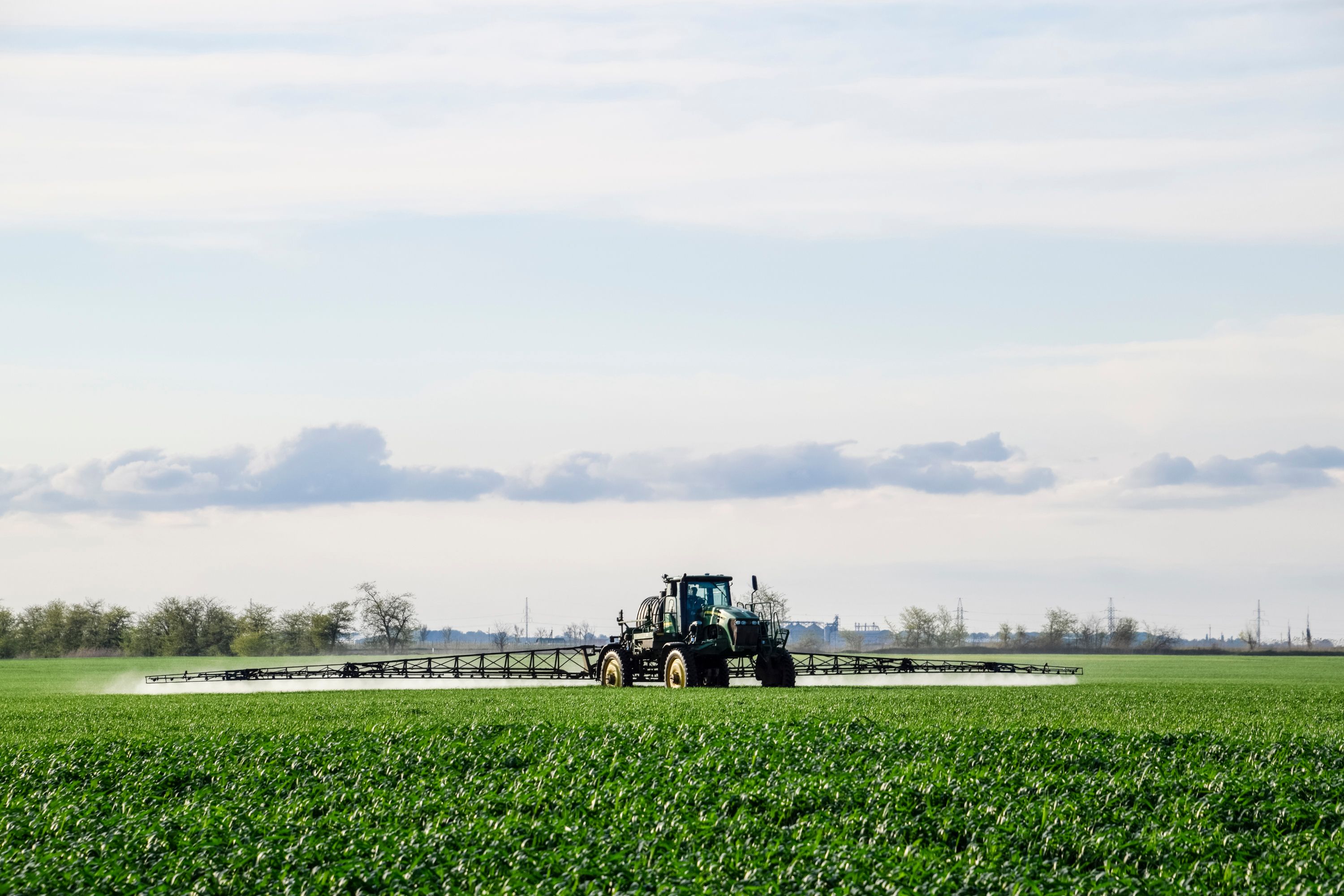
For optimal results, applying Picloram at the right time and using the correct method is essential. There are several application techniques to consider:
- Foliar Spraying: This method involves applying the herbicide directly to the leaves. It's effective when the bushes are actively growing and have plenty of foliage.
- Basal Bark Treatment: Ideal for smaller bushes, this technique involves applying the herbicide to the lower 12-18 inches of the stem.
- Cut Stump Treatment: After cutting the bush close to the ground, Picloram is applied directly to the stump to prevent regrowth.
Environmental Considerations
While Picloram is effective, it's essential to use it responsibly to minimize environmental impact. It can persist in the soil, so caution is necessary near water sources and sensitive habitats. Always follow label instructions and adhere to local regulations.
Consider integrating Picloram with other management practices, such as mechanical removal and reseeding native plants. This holistic approach can enhance biodiversity and promote long-term ecosystem health.
Safety Measures
When handling Picloram, safety is paramount. Always wear protective clothing, gloves, and eyewear to prevent contact with skin and eyes. Ensure proper ventilation when mixing and applying the herbicide.
- Read and follow all label instructions carefully.
- Store Picloram in a secure location away from children and pets.
- Dispose of any unused product and containers according to local regulations.

Conclusion
Picloram is a powerful ally in the fight against invasive bushes, but its effectiveness depends on careful application and adherence to safety guidelines. By understanding its properties and using it responsibly, landowners can achieve significant control over unwanted vegetation and promote healthier ecosystems.
Incorporating Picloram into a comprehensive management plan can lead to sustainable and effective bush control, ensuring that native plants and habitats can thrive without the competition from invasive species.