The Ultimate Guide to Using Picloram for Effective Weed Control


Understanding Picloram
Picloram is a powerful herbicide used for controlling a wide range of unwanted vegetation, particularly broadleaf weeds. Its effectiveness and long-lasting impact make it a popular choice among land managers and agricultural professionals. When applied correctly, picloram can help maintain the health and productivity of pastures, rangelands, and forests.
The chemical works by disrupting plant growth processes, ensuring that treated weeds are effectively eliminated. However, understanding how to use it safely and effectively is crucial for optimal results.
Benefits of Using Picloram
One of the primary benefits of using picloram is its ability to target specific weeds without harming grasses. This selectivity is particularly valuable in agricultural settings where maintaining grass cover is essential. Additionally, picloram is known for its residual activity, providing long-term control of unwanted vegetation.
Another advantage is its versatility. Picloram can be used in various environments, including pastures, roadsides, and non-crop areas. This adaptability makes it a valuable tool in integrated weed management strategies.
Application Methods
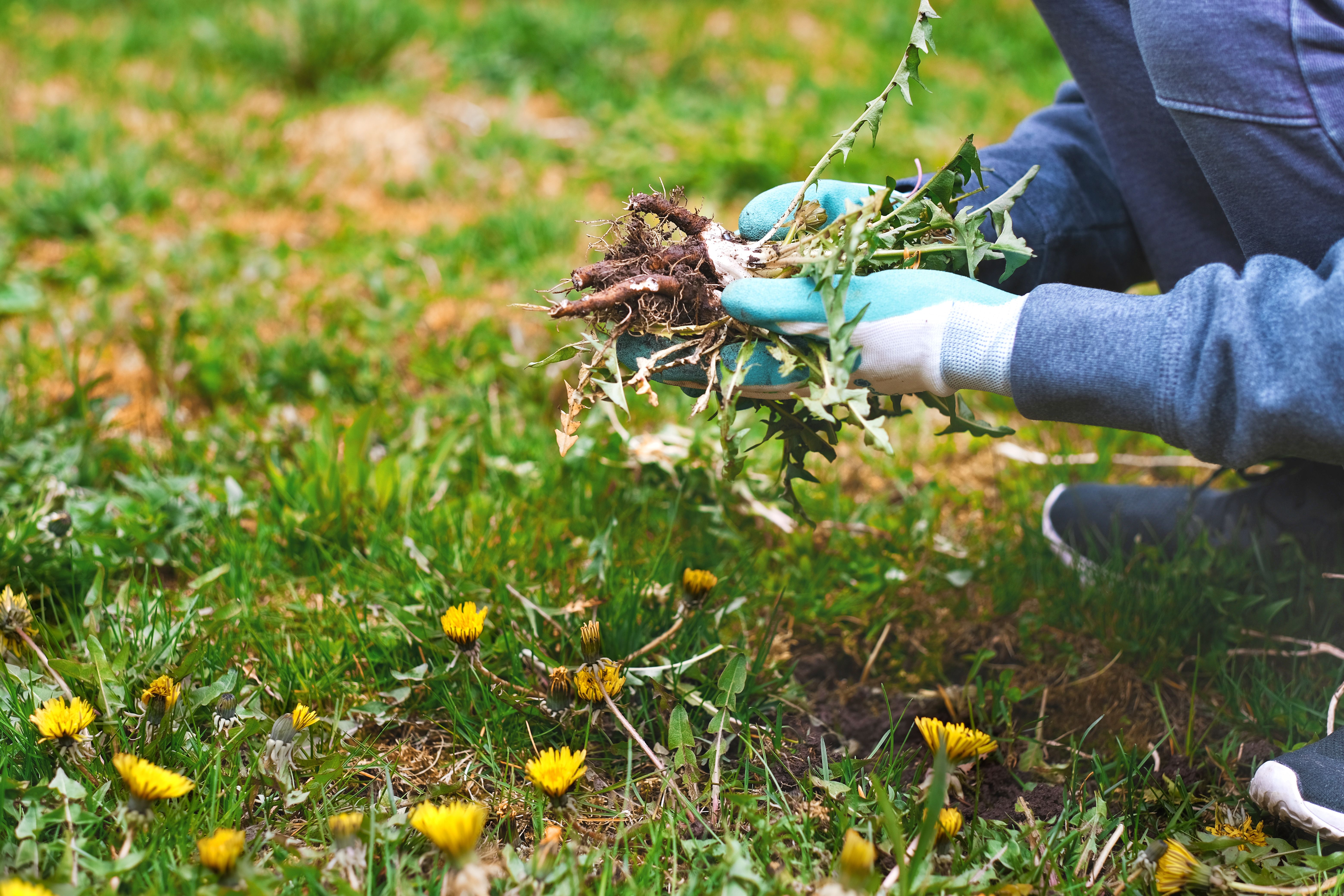
There are several methods for applying picloram, each suited for different situations. The most common methods include:
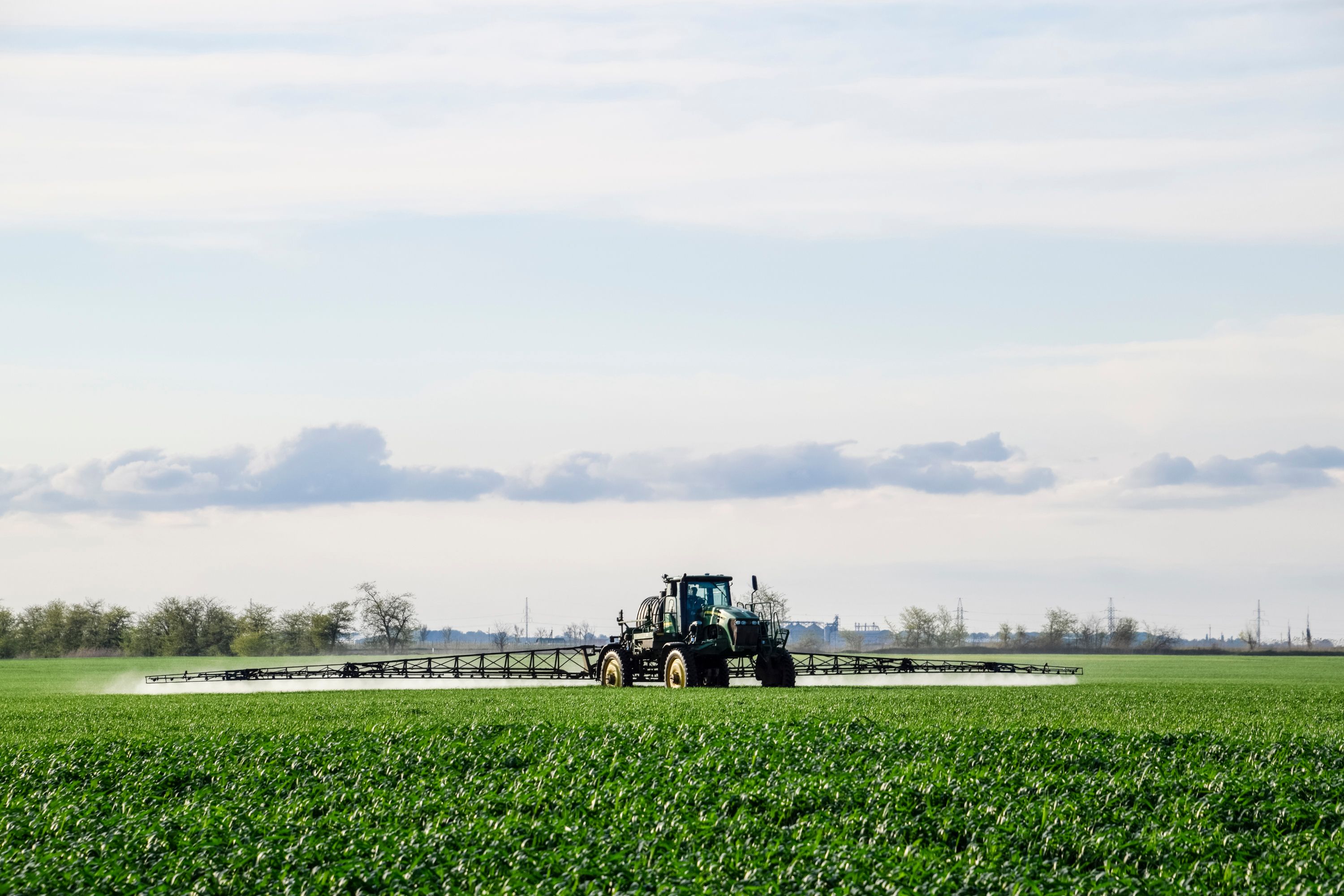
- Foliar Spray: This involves applying the herbicide directly to the leaves of the target weeds. It is effective for treating large areas and for weeds that are actively growing.
- Basal Bark Treatment: This method involves applying picloram to the base of woody plants. It is ideal for controlling small trees and shrubs.
- Soil Application: Picloram can also be applied to the soil, allowing it to be absorbed by the roots of targeted plants. This method is useful for controlling deep-rooted perennial weeds.
Safety Considerations
While picloram is effective, safety should always be a top priority. Users must follow label instructions and wear appropriate protective gear during application. It is also essential to consider the potential impact on non-target plants and wildlife.
Picloram is known to persist in the environment for an extended period, so it is crucial to avoid application near water sources or sensitive habitats. Proper storage and disposal of the herbicide are also vital to prevent accidental contamination.
Environmental Impact
Understanding the environmental impact of picloram is important for responsible use. While it offers effective weed control, its persistence in the soil can affect nearby plant life. Users should monitor treated areas and adjust application strategies as needed to minimize unintended effects.
Research and field studies continue to improve our understanding of picloram's environmental interactions, helping to refine guidelines and best practices for its use.

Conclusion
Picloram is a valuable tool for effective weed control, offering targeted action and long-lasting results. By understanding its benefits, application methods, and safety considerations, users can maximize its effectiveness while minimizing risks. Responsible use of picloram ensures that it remains a key component in sustainable land management strategies.