Understanding How Herbicides Work on Weeds: A Comprehensive Guide


Herbicides play a crucial role in modern agriculture by helping farmers manage weeds that compete with crops for nutrients, water, and sunlight. Understanding how herbicides work can empower you to make informed decisions about their use in your garden or farm.
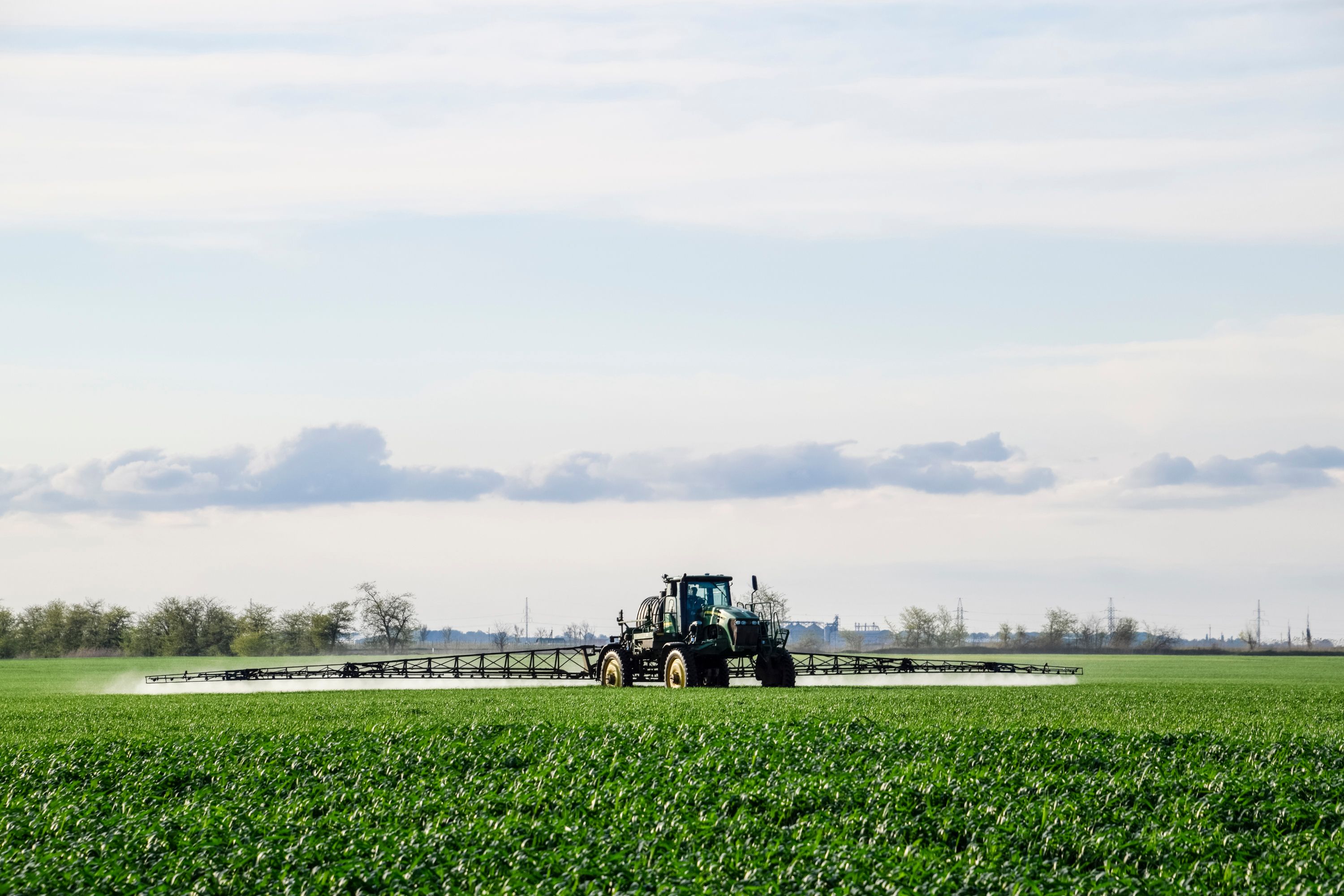
How Herbicides Affect Weeds
Herbicides are chemicals specifically designed to target and eliminate weeds. They function by disrupting essential biological processes within the plant. Some herbicides are selective, affecting only certain types of plants, while others are non-selective and can kill a wide range of vegetation.
Selective herbicides target specific pathways in certain plants, making them ideal for agricultural settings where crops coexist with weeds. Non-selective herbicides, on the other hand, are often used in areas where complete vegetation removal is required, such as driveways or industrial sites.
Mode of Action
The mode of action refers to the specific biological process that the herbicide disrupts in the plant. Understanding this can help you choose the right herbicide for your needs. Common modes of action include:
- Photosynthesis Inhibitors: These prevent the plant from converting sunlight into energy.
- Growth Regulators: These mimic plant hormones, causing abnormal growth that eventually kills the plant.
- Protein Synthesis Inhibitors: These block the production of essential proteins, leading to plant death.

Factors Influencing Herbicide Effectiveness
Several factors can influence how effective a herbicide will be. Weather conditions, such as rain and temperature, can affect absorption and action. Additionally, the growth stage of the weed plays a significant role; younger weeds are often more susceptible than mature ones.
Soil composition can also impact herbicide effectiveness. Some chemicals may bind to certain soil types, reducing their availability to the plant. Understanding these factors can help optimize herbicide application and improve results.
Environmental Considerations
While herbicides are powerful tools, they must be used responsibly to minimize environmental impact. Overuse or improper application can lead to soil and water contamination. Choosing the right product and following guidelines ensures safe and effective weed management.

Integrated Weed Management
Combining herbicides with other weed control methods can enhance effectiveness and sustainability. Integrated Weed Management (IWM) involves using cultural, mechanical, and biological techniques alongside chemical solutions. This approach reduces reliance on herbicides and helps prevent the development of resistant weed populations.
By understanding how herbicides work and incorporating them into a broader strategy, you can achieve effective and sustainable weed control, ensuring the health and productivity of your crops or garden.