Understanding How Herbicides Work on Weeds


Introduction to Herbicides
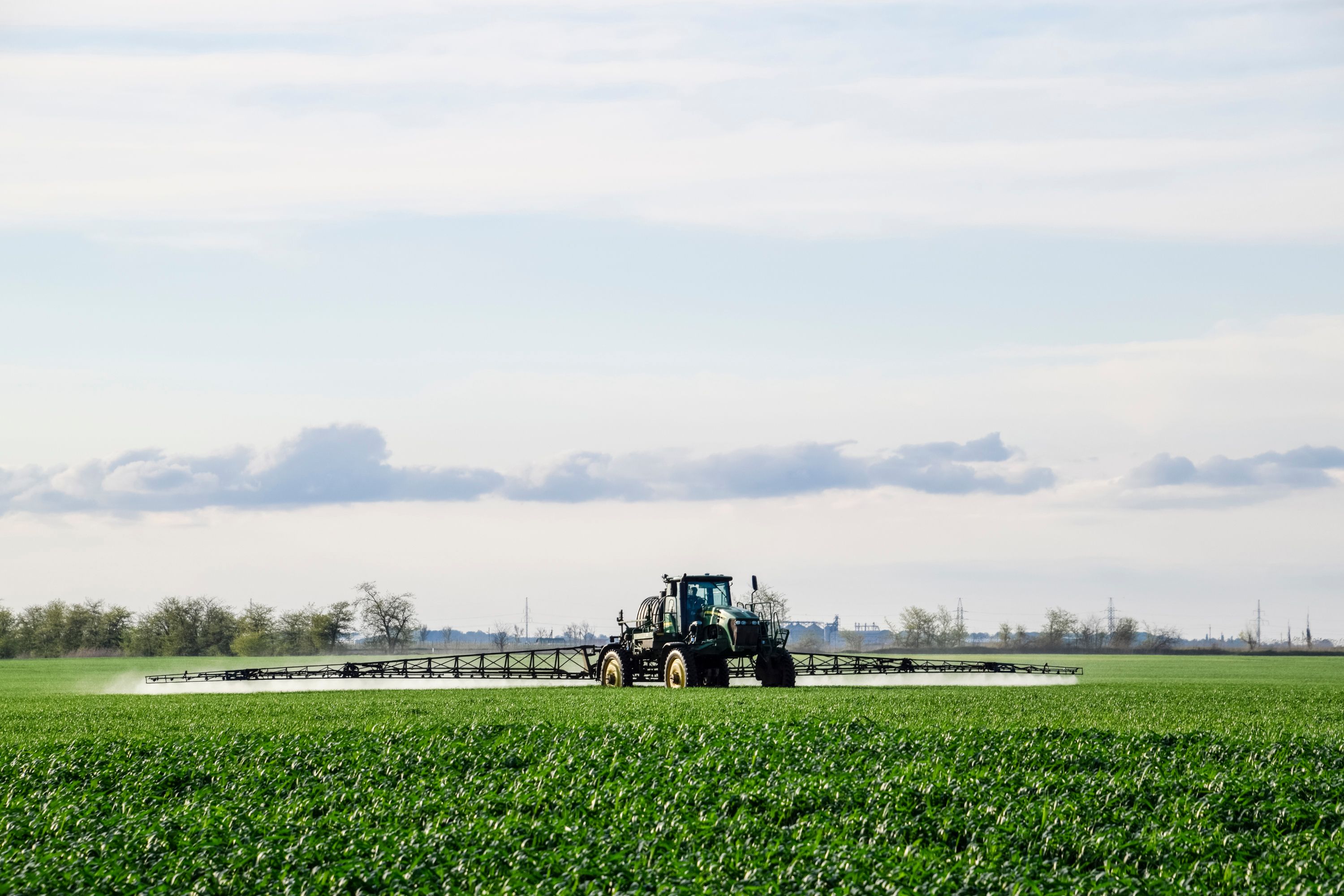
Herbicides are essential tools in agriculture and gardening, designed to control unwanted plants, commonly known as weeds. Understanding how these chemicals work can help in effectively managing weed populations and maintaining healthy crops and landscapes.
Weeds compete with crops for resources such as sunlight, water, and nutrients, which can severely impact yield and quality. Herbicides provide a practical solution to this problem, ensuring that crops have the best chance to thrive.
Types of Herbicides
There are several types of herbicides, each with specific applications and modes of action. The main categories include:
- Pre-emergent Herbicides: These are applied before the weeds germinate and are effective in preventing weed seeds from sprouting.
- Post-emergent Herbicides: These are used after the weeds have emerged and are visible. They target the existing plants.
Choosing the right type of herbicide depends on the specific weeds you are dealing with and the timing of application.
Selective vs. Non-selective Herbicides
Herbicides are also classified based on their selectivity:
- Selective Herbicides: Target specific weed species while leaving desired plants unharmed. These are ideal for use in lawns and crops.
- Non-selective Herbicides: Kill all plants they come into contact with, making them suitable for clearing areas completely.
How Herbicides Work
The effectiveness of herbicides lies in their mode of action. Most herbicides function by disrupting essential processes within the plant. Here are some common modes of action:
- Photosynthesis Inhibitors: These herbicides block the plant's ability to convert sunlight into energy, effectively starving it.
- Growth Regulators: They mimic natural plant hormones, causing uncontrolled growth that leads to the plant's death.
- Amino Acid Synthesis Inhibitors: These prevent the plant from producing essential proteins, leading to its demise.
Understanding these mechanisms helps in selecting the right herbicide for specific weed problems.
Environmental Considerations
While herbicides are effective, their use must be managed carefully to minimize environmental impact. Runoff from treated areas can contaminate water sources, affecting aquatic life and ecosystems.
Using herbicides responsibly involves adhering to recommended application rates and timing. Additionally, integrating cultural and mechanical weed control methods can reduce reliance on chemical solutions.

Conclusion
Herbicides are powerful allies in the fight against weeds, but understanding their types, modes of action, and environmental impact is crucial for their effective and safe use. By selecting the appropriate herbicide and applying it correctly, you can maintain healthy crops and landscapes while minimizing harm to the environment.