Understanding Lantana: Managing Invasive Species with Effective Agricultural Chemicals


Understanding Lantana
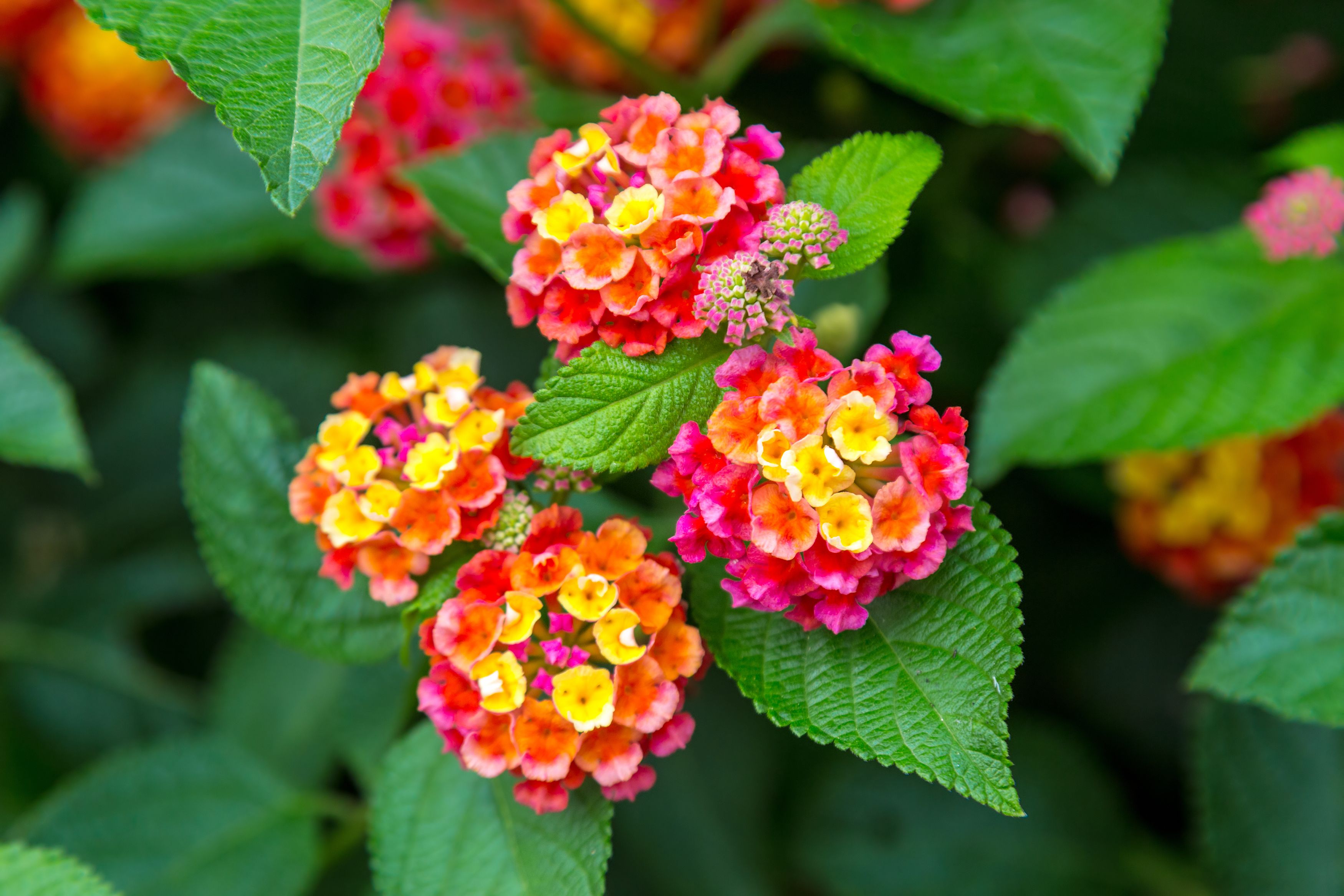
Lantana, a vibrant flowering plant, is beloved for its colorful blooms. However, its charm hides a more sinister side: it is one of the most invasive species affecting agriculture today. Originally from tropical regions of the Americas, lantana has spread across the globe, creating challenges for farmers and land managers.
This plant's ability to thrive in diverse climates and soil types allows it to outcompete native vegetation. Its rapid growth can quickly lead to dense thickets, making it difficult for other plants to survive. Understanding lantana's impact and how to manage it is crucial for maintaining ecological balance.
The Impact of Lantana on Agriculture
Lantana’s presence significantly affects agricultural productivity. It competes with crops for essential resources like sunlight, water, and soil nutrients. This competition can lead to reduced yields and lower quality produce. Moreover, lantana is toxic to livestock, causing health issues when ingested.
In addition to its direct impact, lantana serves as a host for various pests and diseases, further threatening agricultural ecosystems. The plant's widespread nature requires targeted management strategies to mitigate these effects.

Managing Lantana with Agricultural Chemicals
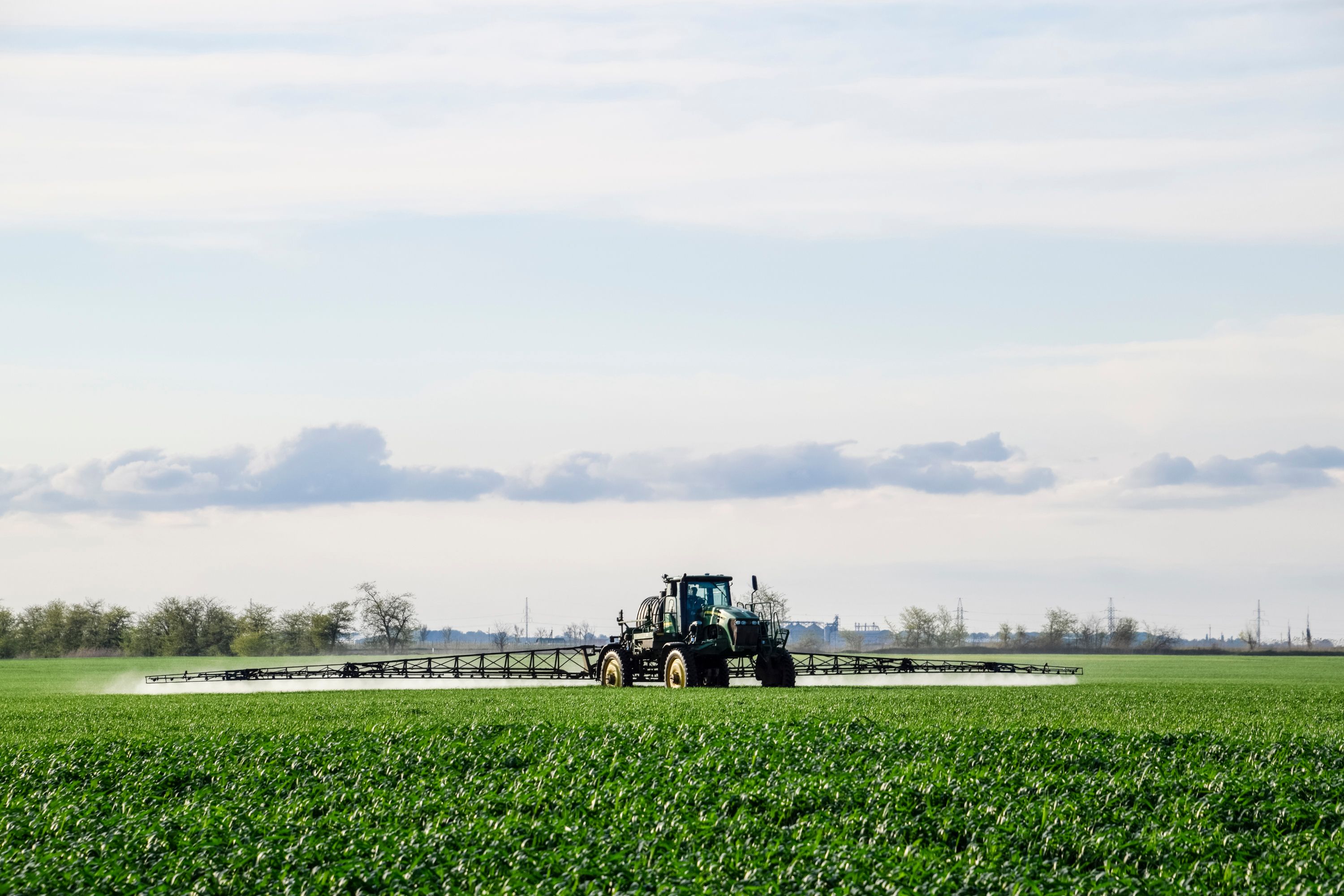
Effective management of lantana involves a combination of strategies, including the use of agricultural chemicals. Herbicides are commonly employed to control lantana growth. When used correctly, they can significantly reduce its spread and help restore affected areas.
Some of the most effective herbicides for lantana management include:
- Glyphosate: A systemic herbicide that targets the plant's root system.
- Metsulfuron-methyl: Works by inhibiting essential enzymes in the plant.
- Triclopyr: Ideal for woody plants and effective in mixed-vegetation areas.
Best Practices for Chemical Use
When using agricultural chemicals, it is important to follow best practices to ensure effectiveness and safety. Always read and adhere to the manufacturer's guidelines and wear appropriate protective gear.
Timing is also critical. Applying herbicides at the right stage of lantana's growth can enhance results. For example, treating lantana during its active growth phase in warmer months can lead to more successful outcomes.
Integrating Chemical and Non-Chemical Methods
While chemicals play a vital role, integrating them with non-chemical methods can enhance long-term management. Mechanical removal, regular monitoring, and biological control agents like specific insects or pathogens can complement chemical efforts.
Developing a comprehensive management plan that includes both chemical and non-chemical strategies will provide more sustainable results. This integrated approach helps in preventing lantana from re-establishing and ensures the protection of native flora and fauna.

Conclusion
Lantana is a formidable adversary in the agricultural landscape, but with the right strategies, its impact can be controlled. Understanding the plant's behavior and employing effective agricultural chemicals, alongside other management techniques, is key to safeguarding agricultural productivity and biodiversity.
Farmers and land managers must remain vigilant and proactive in their efforts, continuously adapting their strategies to address this persistent challenge.